





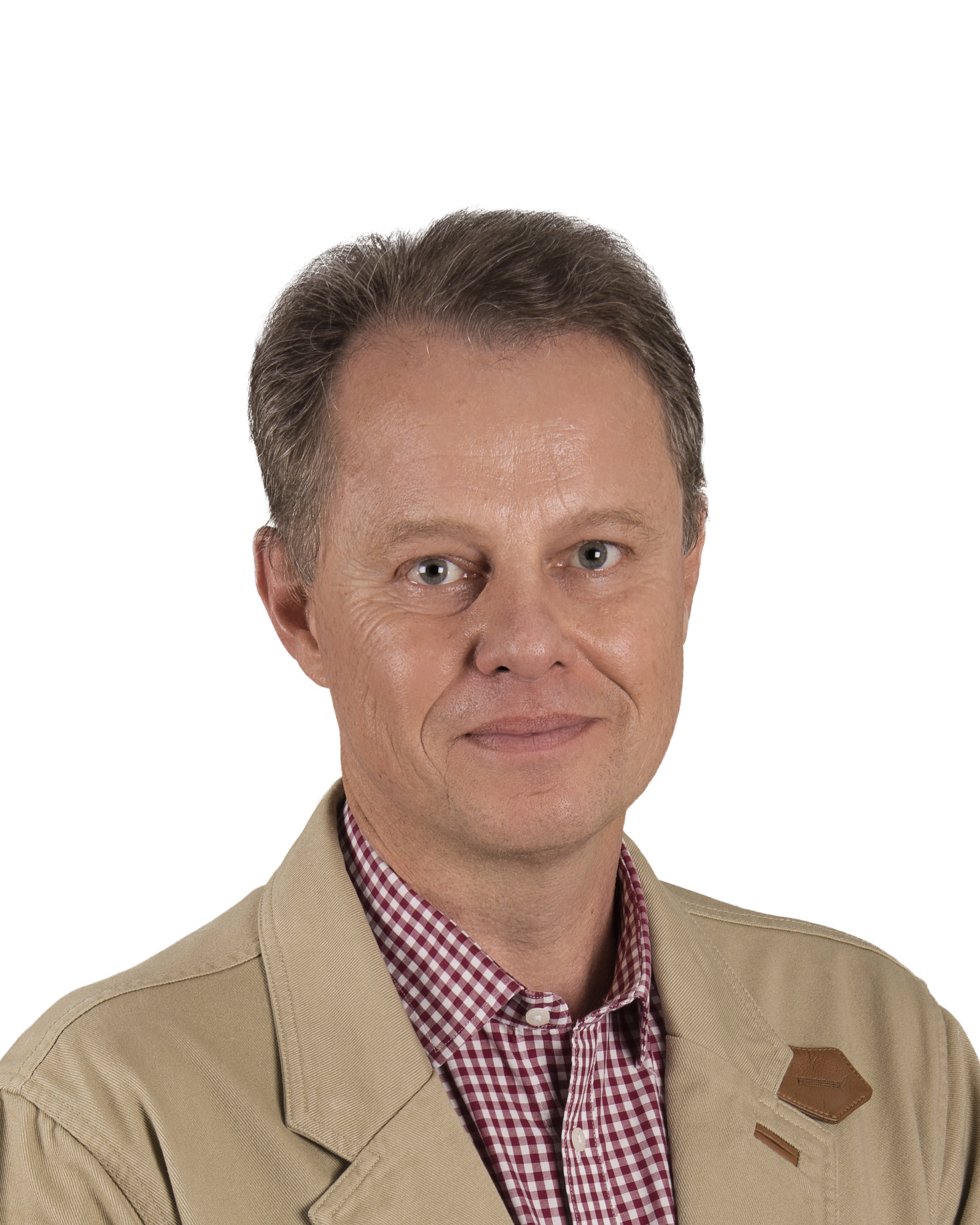
James Andrew Hartley Campbell | Doctor of Business Leadership (DBL) student | The DaVinci Institute | Managing Director | Botswana Minerals (PLC) | mail me |
The global shift toward clean energy, electric mobility and Artificial Intelligence (AI) is reshaping the world’s economic priorities. At the centre of this transition are critical minerals, including copper, lithium, cobalt, manganese, rare-earth elements, and platinum group metals. Without them, solar panels do not function, batteries do not store power, and data centres cannot scale. The green economy is, quite literally, built on rock.
Southern Africa sits on some of the world’s most strategic mineral deposits. South Africa alone holds globally significant reserves of platinum group metals, manganese and chromium. The wider region hosts major copper belts, lithium resources and rare-earth occurrences. In geological terms, we are rich. In economic terms, we are underperforming.
Yet despite this endowment, South Africa attracts a fraction of the global exploration capital flowing to jurisdictions such as Australia and Canada. In international mining investment rankings, the country has steadily slipped, reflecting regulatory uncertainty, infrastructure constraints and declining investor confidence.
The exploration deficit
The reason is not a lack of minerals. It is a lack of discoveries. Exploration spending in South Africa has…
The full article is reserved for our subscribers!
Read the full article by James Andrew Hartley Campbell, Doctor of Business Leadership (DBL) student, The DaVinci Institute, Managing Director, Botswana Minerals (PLC), as well as a host of other topical management articles written by professionals, consultants and academics in the April/May 2026 edition of BusinessBrief.


admin@bbrief.co.za | +27 (0)11 788 0880 |