









E-hailing risks – are SMEs overlooking their duty of care?
E-hailing, for most South African businesses, has become the default mode of getting employees from A to B. After all, there are no invoicing headaches or petrol reimbursements to worry about. Your employee simply opens the app, books the ride, and gets on with their day. That familiarity, however, has been complicated by a regulatory shake-up that caught many businesses off guard.

Skills transfer – preserving expertise before retirement
A recent survey, The Great Retirement, found that 51% of the global workforce is expected to retire or leave within five years. For South African Small and Medium-sized Enterprises (SMEs) already struggling with skills shortages, this could place additional pressure on business continuity, productivity and growth. Moreover, more than 60% of South African businesses already cite skills gaps as a barrier to progress.

Growth and insurance – is your cover keeping pace?
For many South African businesses, spring marks the start of one of the busiest periods of the year. Retailers begin building stock ahead of the festive season. Meanwhile, manufacturers land export orders they've been chasing since autumn, and contractors pick up tenders that stalled over the colder months.

MSME development funds – how PPPs can make them work better
South Africa places considerable weight on Micro, Small, and Medium Enterprises (MSMEs) as engines of employment and growth. However, their access to capital still falls short of the role we expect them to play. Consequently, development finance has become an important part of efforts to close this gap. Every Rand channelled into development finance carries an expectation of tangible economic outcomes.

Selling a family business – the toughest negotiation is within
Most advice about selling a business focuses on the seller as an individual. It considers the founder, the entrepreneur, or the person whose name appears on the door. However, family businesses complicate that picture. The person sitting across the table from a buyer represents more than themselves. They represent a family. In my experience, family members rarely approach a sale with the same objectives.
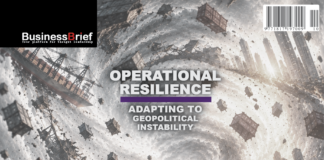
BusinessBrief October/November 2026 edition is now available!
Read our exclusive cover story titled - Operational resilience – adapting to geopolitical instability by Nashikta Angad, Movashan Moodley and Mishana Pillay, KPMG Southern Africa, plus a host of other topical management articles written by professionals, consultants and academics.

Good governance isn’t caution – it’s confidence
When people picture South Africa’s automotive industry, they still picture a factory floor filled with men in overalls. That image is out of date. Motor Industry Bargaining Council workforce data show that women now account for almost 95,000 employees across the organised automotive retail aftermarket. That represents about 30% of a workforce of nearly 317,000.

Rethinking resilience – when adaptability becomes strategy
Every day, I talk to CEOs and executives facing the same storm. It’s a challenging time to lead a business. Macro shifts are relentless, pressure is mounting, and Artificial Intelligence (AI) is changing everything. I’m all for it. It’s a massive step forward, and we should embrace it. But the reality is intense. Companies are holding back on hiring, work is being displaced, and everything is moving at warp speed.

Leadership strategies – lessons for sustainable growth
Over 21 years of building a business have taught me many lessons about people, leadership, and sustainable growth. These lessons apply across industries and business environments. They also offer valuable guidance for South African business leaders navigating changing markets, evolving technologies, and complex workplaces.

Beneficial ownership – the risk behind the paperwork
When organisations conduct due diligence on a new customer, supplier or business partner, they often feel reassured once they verify the basics. The company registration checks out, the directors are identified, and the necessary documentation has been collected. The onboarding process then moves forward with confidence.