






The recent discovery of the bodies of women in Ekurhuleni has understandably heightened concern about personal safety.
Investigations are ongoing, and authorities have cautioned against speculation about links between cases that they have not established. But amid the headlines is a question worth asking ourselves: If I don’t arrive where I’m expected, or don’t come home, who will know?
We cannot live our lives in fear, nor should we. But there is a difference between living in fear and being prepared.
Know who will notice
Most of us leave home every day expecting to return as planned. We drive to work, go for a run, meet friends, shop or travel between appointments. We don’t necessarily stop to think about who would know if, for some reason, we didn’t arrive.
But if something does go wrong, how long would it take for somebody to realise? Does somebody know where you’re going?
This does not mean constantly sharing your whereabouts or limiting your independence. It can be as simple as telling someone where you are going and roughly when you expect to return. This is particularly useful when exercising alone, travelling a longer distance or going somewhere unfamiliar.
If you’re expected home at 18:00 and haven’t arrived by 20:00, somebody knowing where you planned to be gives them somewhere to start.
Have a plan before you need one
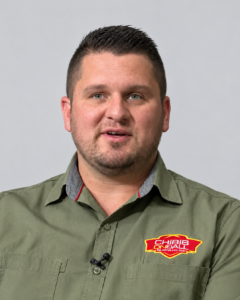
Vermaak recommends having a simple emergency plan. Make sure a trusted person has your basic itinerary when appropriate. Keep emergency contacts easily accessible. Also, consider what information emergency responders would need if you were unable to speak for yourself.
This is where personal preparedness can make a practical difference. A simple plan gives others information they may need if something goes wrong.
I believe South Africans are generally accustomed to preparing for risks. We insure our cars. We lock our homes. Furthermore, we install alarms, and we wear seatbelts. But what have we put in place for the moment when we are the person who needs help? Preparedness isn’t about believing every emergency can be prevented.
Prepare for the moment help is needed
We cannot promise that nothing bad will happen. What we can do is help people prepare for the moment when something does happen.
Technology can add another layer of support. Our members, for example, can use Trip Monitoring when travelling longer distances or through unfamiliar areas. Our app also provides access to emergency assistance.
The important thing is not simply having technology on your phone. It is knowing what you have available and how to use it before something happens. Personal preparedness therefore goes beyond owning an app or having access to technology. It means understanding the support available and knowing how to use it before an emergency occurs.
Act quickly when someone goes missing
And if somebody unexpectedly fails to arrive or return home, don’t wait to act. There is no requirement to wait 24 hours before reporting a person missing. A missing person should be reported immediately.
 People should be able to run, travel, work and go about their lives safely. Having a plan means that if something does go wrong, the people who care about you have information that may help them act sooner.
Perhaps the question isn’t whether something will go wrong, but whether we’re prepared if it does. Personal preparedness does not mean living in fear. Instead, it means taking sensible steps so that others have useful information if you need help. A simple plan, shared with the people who care about us, can make all the difference when help is needed.
Ruan Vermaak | Director | Marketing & Communications Manager | CrisisOnCall | mail me |