





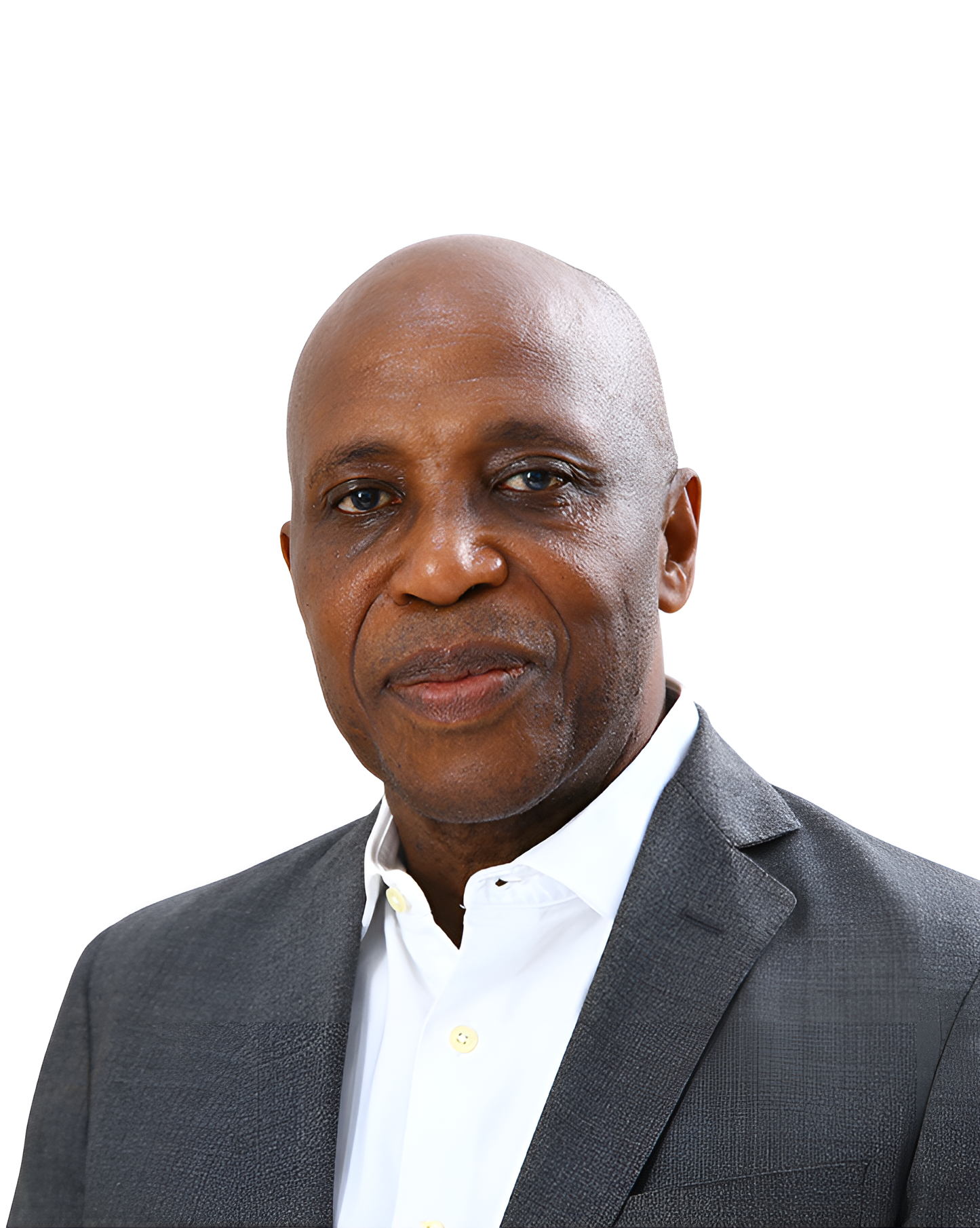
Mpho Seboni | Partner (CEO and Board Practice) | Spencer Stuart South Africa | mail me |
For boards of listed companies, Chief Executive Officer (CEO) succession is often framed as a debate about background. Finance or operations, commercial flair or financial discipline?
The tendency is to treat the top job as the natural culmination of a particular functional path. The evidence suggests that this thinking is increasingly outdated.
The traditional routes to the top
Across JSE-listed companies, three dominant routes to the top persist. The strongest remains executives who have already run substantial businesses with full profit and loss accountability. These leaders bring daily exposure to capital allocation, customer trade-offs, and people leadership at scale. In many respects, they arrive already shaped by the demands of the role.
Chief Financial Officers (CFOs) form a visible and growing second pipeline. South African boards have also entrusted finance leaders with the top job. They often do so during periods of volatility because of their understanding of the company’s financial picture at the time of appointment.
In capital-intensive sectors, deep balance-sheet credibility and an ability to engage investors can outweigh pure commercial pedigree. Another route is more situational. Strategy heads, operations leaders, and sector specialists can reach the top because their experience aligns with the moment a company faces. This reflects the importance of contextual judgement rather than rigid succession policy.
What none of these pathways guarantees, however, is success.
Functional expertise does not guarantee CEO success
Our global research, based on more than 1,300 CEO appointments over two decades, makes this uncomfortably clear.
While divisional CEOs, Chief Operating Officers (COOs), and CFOs account for the majority of appointments, their performance outcomes differ sharply. Divisional leaders consistently emerge as the safest performers once in the role. COOs sit somewhere in the middle. Former CFOs, despite their growing representation, are least likely to rank among top performers. They also appear disproportionately among underperformers.
To be clear, the problem is not a lack of capability. Instead, it is the gap between narrow functional excellence and broad enterprise leadership.
Finance leaders arrive with formidable strengths. They understand what moves the numbers, command credibility in the boardroom, and often excel in moments of crisis. Yet the CEO role demands a shift in posture.
The transition from expert to enterprise leader
The role requires moving from analysis to narrative, from control to vision, and from protecting value to growing it. Numbers remain vital, of course, but they are no longer the point of leadership.
Without deliberate preparation and development, newly appointed CEOs can find themselves pulled back into familiar territory. They may spend disproportionate time in the space their successors should now occupy. The consequence is misplaced focus.
Divisional CEOs face a different recalibration. Many succeed by driving their units hard, making rapid decisions, and competing aggressively for resources. At enterprise level, those same instincts can limit collaboration at EXCO level. They can also weaken peer alignment when leaders do not pair them with stronger influence and listening skills.
COOs, for their part, often arrive steeped in execution and operational discipline. The challenge involves stepping beyond delivery towards vision, persuasion, and culture leadership. These capabilities increasingly determine how leaders translate strategy into results.
The importance of the last mile
What distinguishes CEOs who outperform is not where they come from, but what they do in the final stretch before appointment. Our research shows that high-performing leaders and their boards consciously use the last phase to develop a stronger strategic voice and build followership.
Aspiring CEOs have to master self-awareness and broaden their perspective. They must also prepare vigorously for the role. At the same time, boards should support them as they learn to engage multiple stakeholders, manage ambiguity, and lead people rather than processes.
In short, they have to stop doing their old jobs exceptionally well. Instead, they must start preparing for a different and more complex job entirely.
This is where last mile skills become critical. Functional expertise may secure the succession opportunity, but last mile skills help executives make the transition successfully. Boards therefore need to identify and develop these capabilities before an appointment becomes imminent.
What this means for South African boards
For JSE-listed and other large company boards in South Africa, the implications are significant. Long-term succession planning is critical. Boards should consider more than whether a candidate is a CFO, COO, or business leader. They should assess whether that individual has the capacity to transition from functional expert to enterprise head.
Before appointment, the central question that needs asking in the last mile is: “Has the leader demonstrated judgement beyond their lane, built credibility across the organisation, and shown the capacity to lead through influence rather than control?”
As a rule, this requires intentional development long before the role becomes vacant. It also calls for greater honesty about the risks each pathway carries and the support required to mitigate them.
Consequently, boards should treat the final development phase as a deliberate succession intervention. This is the stage where last mile skills can determine whether functional strength translates into enterprise leadership.
Preparing executives for the top job
For executives aspiring to the top job, the message is equally clear. The hardest part of becoming CEO isn’t winning the appointment. It’s leaving behind the strengths that made the appointment possible and investing heavily in personal development.
The CEOs who succeed are rarely those with the neatest job history. They are the ones who understood that the last mile matters most and prepared accordingly. Ultimately, last mile skills can distinguish an executive who is ready for the title from one who is ready for the full demands of the CEO role.