



Tag: BusinessLeadership

Leadership strategies – lessons for sustainable growth
Over 21 years of building a business have taught me many lessons about people, leadership, and sustainable growth. These lessons apply across industries and business environments. They also offer valuable guidance for South African business leaders navigating changing markets, evolving technologies, and complex workplaces.

CEO succession skills – why the last mile matters
For boards of listed companies, Chief Executive Officer (CEO) succession is often framed as a debate about background. Finance or operations, commercial flair or financial discipline? The tendency is to treat the top job as the natural culmination of a particular functional path. The evidence suggests that this thinking is increasingly outdated.
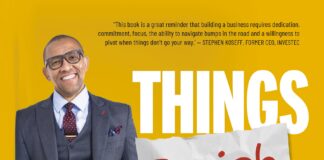
Things I Wish I Knew
Entrepreneurship often looks glamorous from the outside. However, building a business requires difficult decisions, resilience and a willingness to learn from failure. Things I Wish I Knew captures this reality through the experiences of an entrepreneur who has navigated the pressures of business and finance. The book offers a candid account of building and growing businesses. It draws on real decisions, consequences and outcomes from the author’s entrepreneurial journey.

Resilience requires leaders, not just tougher employees
If there is one compliment South Africans hear more than any other, it is this: "South Africans are so resilient". We wear it almost as a badge of honour. We have endured economic uncertainty, political shifts, load shedding, global disruption and constant change. Furthermore, we adapt because we have to. But I often wonder whether we've misunderstood resilience.

The Four Principles – Multiply Your Impact in Life and Leadership
Why do some people create an extraordinary impact while others with the same ability stall? This book lays out four fundamental principles grounded in science. They have a multiplier effect on life and leadership and explain this paradox. It turns out it's not what talent you have, it's how you use it. The Four Principles are counterintuitive but accessible and learnable. Their significant multiplier effect is also explained and mathematically demonstrated.
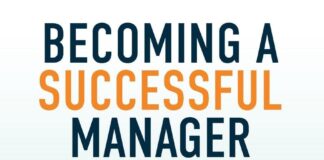
Becoming A Successful Manager
What separates average managers from exceptional leaders? In today's fast-changing and highly competitive world, technical expertise alone is no longer enough. Organisations need managers who can inspire people, navigate complexity, communicate effectively, make sound decisions and lead with confidence and integrity.

Conscious unbossing – turns out, being the boss is the problem
Somewhere between the third Wi-Fi troubleshooting call of the week and an unnecessary standoff over the cleaning rota, South Africa’s most capable leaders are quietly becoming something they never applied for: facilities managers. A new trend has emerged in 2026. It goes by the name of conscious unbossing. I think it is about time we embraced it locally.

Why every board agenda needs a cyber conversation
Boards spend a great deal of time asking questions. They challenge strategy, review financial performance, interrogate financial statements and revisit decisions that made sense six months ago but may no longer make sense today. That is why one question stands out: "Why are executives and boards not doing the same when it comes to their cybersecurity?" My view is simple. As organisations become more digital, it becomes increasingly difficult to justify treating cyber resilience as something that sits outside regular business discussions.

Dismissal code amended – simpler rules, heavier evidence burden
People are the beating heart of every business. They bring perspective, ingenuity, skills and experience that help organisations excel and deliver results. However, employment relationships do not always work out. A person may not suit their role and responsibilities. They may also fail to align with the company culture or behave poorly in the workplace.

Developing female CEOs through skills, support and opportunity
Increasing female CEO representation is critical for business performance, innovation and economic growth. The company also highlights the need to strengthen leadership pipelines and reduce bias within organisations. Research from McKinsey & Company consistently shows that companies with more women in leadership outperform their peers.