



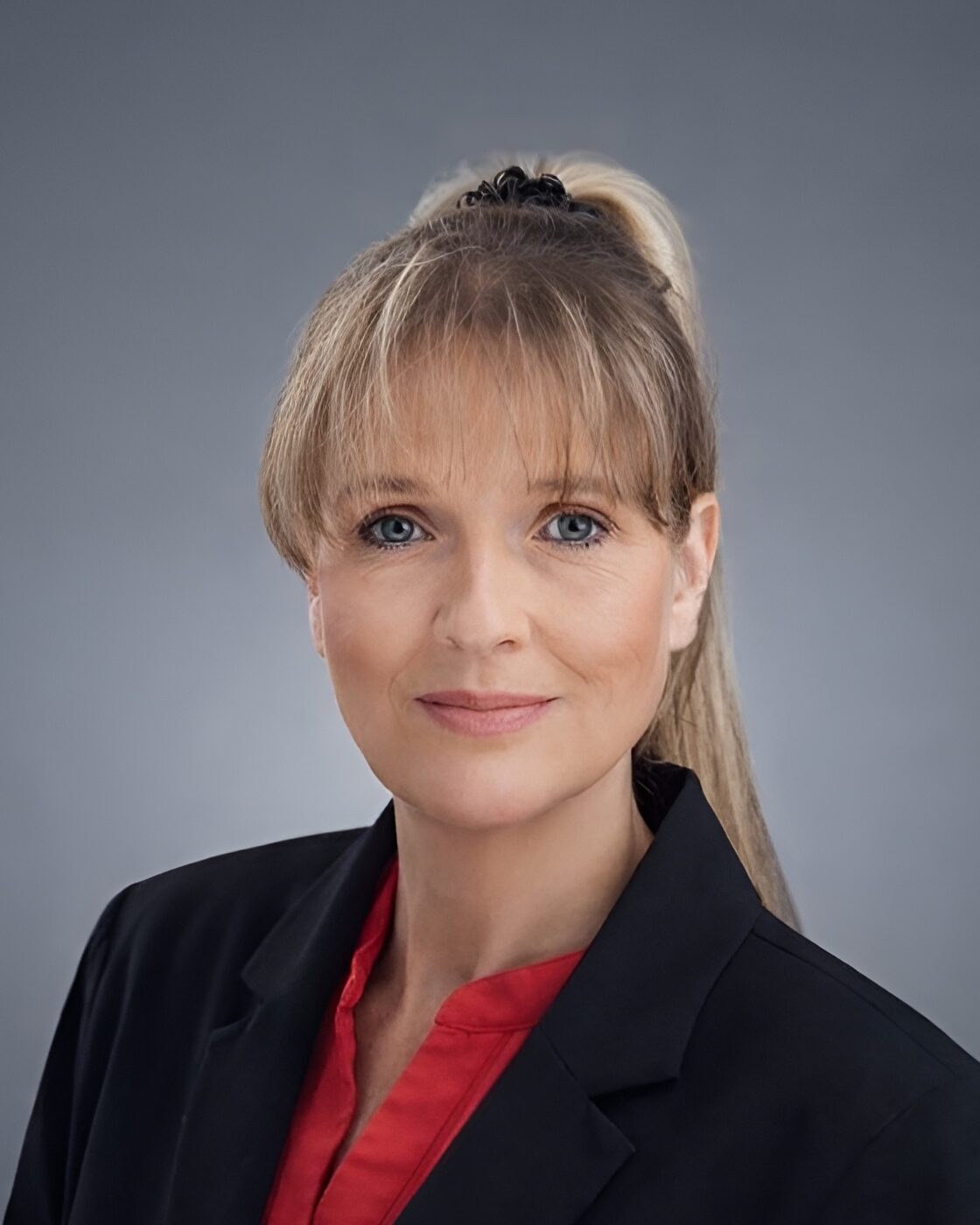
Clarissa Rizzo | Head | Business Unit for Professional Risks | Aon South Africa | mail me |
Smarter underwriting, stronger risk management and closer collaboration between insurers and engineers are shaping the industry’s future.
Engineering has always been about progress. It stretches the limits of knowledge, materials and technology to solve complex problems. However, innovation and risk remain inseparable. Every project carries uncertainty. As a result, effective risk management allows great ideas to move from concept to reality.
The strategic role of professional indemnity
Specialist professional indemnity insurance plays a crucial role in this process. It gives engineers the confidence to take calculated risks. They know they have protection against unforeseen failures or liabilities. In this way, professional indemnity fuels innovation while supporting financial and operational resilience. However, achieving this balance requires expertise. That is where risk officers become indispensable.
It’s often only when a claim arises that clients realise how vital PI insurance cover truly is. Project costing is already complex. Adding insurance considerations can, therefore, feel daunting. Yet, the right professional indemnity policy and the right partner can determine how well a business weathers a challenge.
In South Africa, annual professional indemnity policies negotiated with local insurers often offer broader coverage and better pricing than single-project PI cover. Even so, understanding contractual requirements remains essential. Equally important is understanding why those requirements exist.
Market pressures and underwriting shifts
Negligence claims can damage professional reputation and financial stability. With litigation increasing, the current loss ratio sits at around 45%. In addition, professional indemnity has a long tail. A typical claim can take up to seven years to settle. In this environment, sustainability and continuity matter more than the lowest premium. Unfortunately, economic pressure often pushes price to the forefront. This shift sometimes comes at the cost of adequate professional indemnity protection.
Recent years have brought larger and more expensive claims. These trends have driven higher premiums and stricter underwriting. While these measures protect insurers’ balance sheets, they also promote stronger risk management across the sector. As a result, loss ratios are expected to decline below 40% in the near future.
Despite these challenges, South Africa’s insurance market remains strong and competitive. Local insurers continue to offer sufficient capacity, technical expertise and flexibility. This applies even to large-scale and complex projects. Consequently, insurers and clients can collaborate meaningfully when policies need to evolve. This flexibility proves especially valuable when projects or contractual terms change.
Building sustainability through professional indemnity
At the core of every successful engineering project lies solid risk management. It underpins sustainability and innovation. It also ensures that quality and safety are deliberately embedded in every stage of design and delivery.
Insurers are already factoring a firm’s risk maturity into pricing decisions. Businesses that demonstrate strong risk management practices often secure more favourable terms. This approach reinforces the link between proactive risk control and financial efficiency, particularly in professional indemnity arrangements.
In this context, insurance does not act as a burden. Instead, it enables progress. By transferring risk, it allows businesses to pursue innovation and growth with confidence. Professional indemnity cover, in particular, should not be seen as a grudge purchase. Rather, organisations should treat it as a strategic investment in long-term resilience.
A common challenge remains the tension between budget constraints and comprehensive cover. We believe education offers the solution. Clients ultimately make their own choices. However, informed decisions depend on a full understanding of both risk and consequence. To support this process, insurers often draw on real-world claim examples. These examples show how underinsurance can lead to higher long-term costs. They also help organisations find the right balance between affordability and professional indemnity protection.
The future of professional indemnity
The professional indemnity landscape is shifting toward dynamic, risk-based underwriting. Insurers now focus more on a firm’s overall risk profile. They no longer rely solely on claims history.
While premiums are unlikely to fall significantly, the market remains stable. Current conditions suggest this stability will continue for the foreseeable future. However, misconceptions persist.
Many view professional indemnity as a catch-all safety net. They assume every loss or dispute will automatically be covered. In reality, professional indemnity addresses negligence. It does not cover poor decisions or intentional acts. Therefore, understanding exclusions, limits of indemnity and scope of cover remains critical. This knowledge helps professionals avoid costly surprises.
Insurance should never be an afterthought. Involving your broker and insurer early is essential. This step matters even more on large or complex projects. Early engagement ensures cover aligns with contractual obligations. In many cases, the professional indemnity policy becomes one of the most important documents an engineering professional holds.
Ultimately, insurance provides the security to innovate boldly, build confidently and grow sustainably. When managed proactively, professional indemnity becomes more than protection. It becomes a driver of long-term progress.