




Commercial vessel operators today face a demanding operating environment. Rising repair costs, ageing fleets, increasingly unpredictable weather and tighter regulatory requirements all contribute to higher operating costs and more complex marine risks.
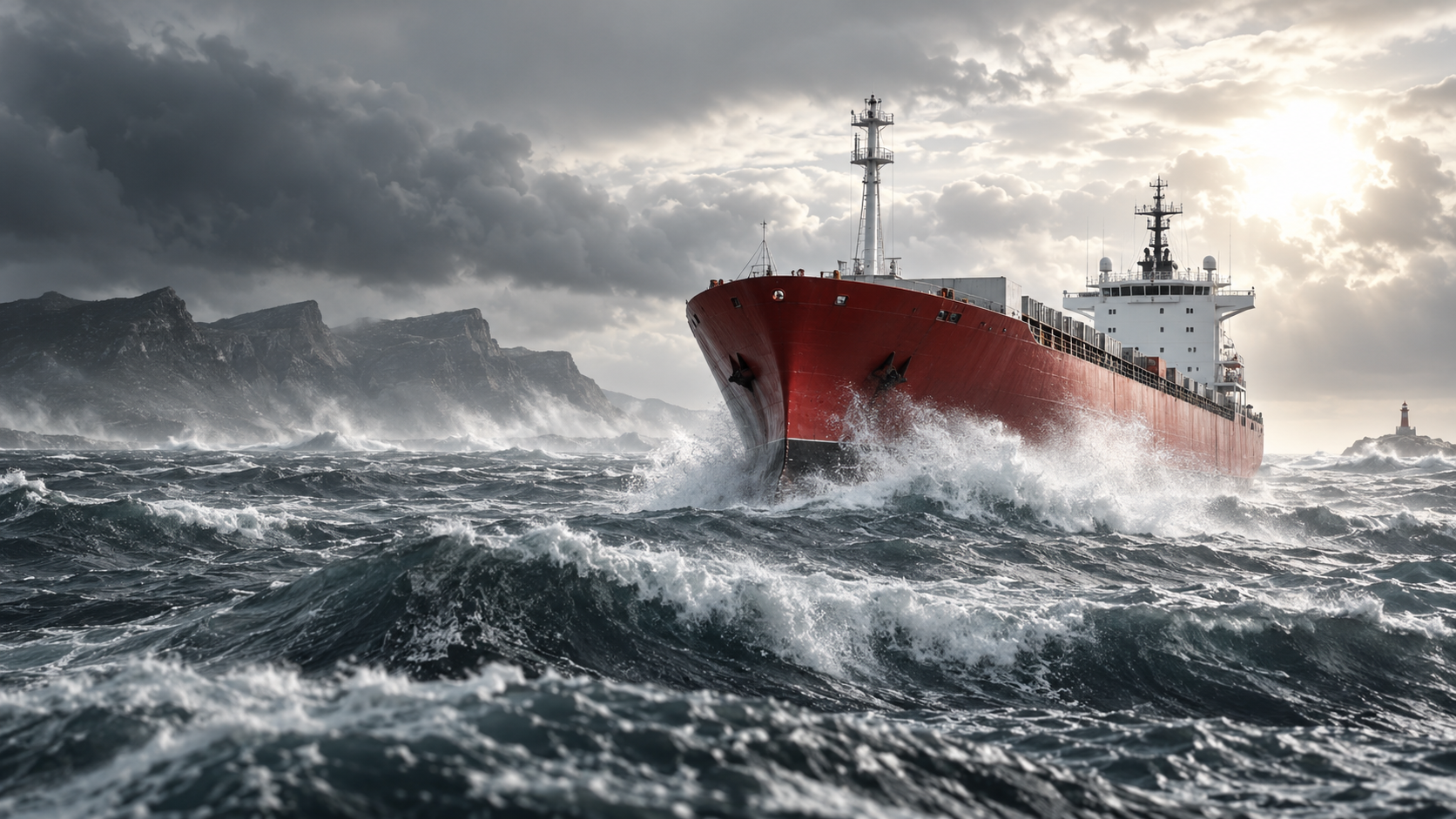
These challenges often intensify for South African operators. Vessels operating along one of the world’s busiest shipping routes frequently encounter harsh sea conditions around the Cape, while sourcing specialised replacement parts or securing dry dock availability can result in lengthy delays and expensive downtime.
While many of these risks remain outside an operator’s control, owners can control how well they maintain their vessels. Effective maintenance and technical management do far more than keep a vessel compliant. They improve reliability, reduce the likelihood of costly breakdowns and help protect both crew and cargo.
Industry data continues to show that machinery failures and onboard fires remain among the leading causes of significant hull and machinery claims worldwide. These losses are often expensive, disruptive and, in many cases, preventable through disciplined maintenance and operational practices.
Maintenance is more than scheduled servicing
Good vessel management is not simply about completing a maintenance checklist before the next survey. Instead, it requires a proactive approach that ensures equipment operates as intended every day. Regular inspections, planned maintenance, prompt repairs and accurate record-keeping all help identify small issues before they develop into major failures.
Attention should also extend beyond the engine room. Electrical systems, fire detection equipment, navigation systems, steering gear, pumps and cargo handling equipment all require ongoing monitoring and preventative maintenance.
The best maintenance programme relies on experienced people who can execute it consistently. Senior officers and engineers play a critical role in maintaining vessel standards, identifying emerging problems and ensuring maintenance schedules are completed correctly. Creating an environment where crew members feel confident reporting defects or potential safety concerns is equally important, as many major incidents begin as relatively minor maintenance issues that were overlooked, deferred or not communicated effectively.
Investing in crew training, clear maintenance procedures and a strong safety culture helps reduce these risks. It also improves operational reliability and supports good vessel management across the fleet.
Small problems become expensive problems
Deferred maintenance often appears to offer a way to save money during periods of financial pressure. However, it is more likely to lead to higher costs later. Minor defects can quickly escalate into machinery failures that require extensive repairs, extended off-hire periods and potentially significant insurance claims.
For South African operators, replacement parts are often imported, and repair facilities may not always be immediately available, which directly translates into a substantial financial impact during unplanned downtime. Preventative maintenance is almost always less expensive than emergency repairs.
Owners do not need complicated scorecards to improve maintenance performance. Instead, simple measures can provide valuable insight, including:
- Completing planned maintenance on schedule.
- Tracking recurring equipment failures.
- Closing inspection findings promptly.
- Monitoring machinery condition.
- Reviewing safety observations and near-miss reports.
Used consistently, these indicators help identify developing risks early and support continuous improvement across the fleet.
Good vessel management therefore depends not only on responding to failures but also on recognising patterns before those failures occur. Simple, consistent monitoring can help operators act before a minor issue becomes a costly operational disruption.
Supporting better maintenance with technology
Modern vessel monitoring systems, condition sensors and predictive maintenance software are making it easier to identify potential failures before they occur. These technologies give operators greater visibility into equipment performance. They also allow maintenance teams to schedule work according to actual condition rather than fixed intervals.
Technology is only as effective as the people using it. That is why it is so important for digital tools to support disciplined maintenance practices, not replace them. Technology can therefore strengthen good vessel management when operators integrate it with experienced personnel and established maintenance processes. Digital tools can provide valuable information, but people still need to interpret that information and take appropriate action.
Insurance also plays an important role in helping businesses recover after a loss. However, effective risk management and optimised maintenance focus on preventing losses and reducing debilitating costs.
In conclusion
 Well-maintained vessels are generally safer, more reliable and less likely to experience costly breakdowns that interrupt operations.
As marine risks continue to evolve, organisations that invest in disciplined maintenance, skilled crews and strong technical management place themselves in a far better position. They can better protect their assets, maintain operational resilience and support more favourable long-term insurance outcomes. Proactive risk management helps organisations make better decisions before losses occur.
Philip Cronje | Business Unit Manager | Aon South Africa | mail me |