





Tag: RiskManagement

Growth and insurance – is your cover keeping pace?
For many South African businesses, spring marks the start of one of the busiest periods of the year. Retailers begin building stock ahead of the festive season. Meanwhile, manufacturers land export orders they've been chasing since autumn, and contractors pick up tenders that stalled over the colder months.

Infrastructure failure – the hidden cost of disruption
South Africa loses nearly half (47.3%) of all municipal water supplied through leaks, infrastructure failures, and other non-revenue losses. Meanwhile, copper theft costs the economy an estimated R45 billion a year. Road maintenance backlogs also exceed R197 billion. These problems reflect the increasingly interconnected nature of South Africa’s infrastructure systems. Consequently, disruptions to electricity or water supplies, road deterioration and stormwater drainage failures can quickly escalate.

Cyberattack aftermath – can you survive the financial fallout?
A cyberattack does not end when malicious activity has been contained. For the affected business, that is usually when the most expensive phase begins. When an attacker breaches a system, the problem quickly extends beyond IT. Systems may go offline while staff try to keep the business running. Customers demand answers, and the business may need to meet regulatory obligations. All these activities cost money, often when revenue is already under pressure.
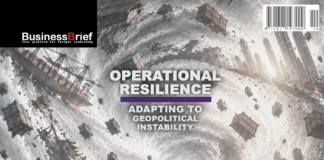
BusinessBrief October/November 2026 edition is now available!
Read our exclusive cover story titled - Operational resilience – adapting to geopolitical instability by Nashikta Angad, Movashan Moodley and Mishana Pillay, KPMG Southern Africa, plus a host of other topical management articles written by professionals, consultants and academics.

Moving to the cloud does not change compliance obligations
When a financial institution moves Jira, Confluence, or Jira Service Management into the cloud, part of the operational burden shifts to the provider. Atlassian runs the platform and maintains the underlying infrastructure. Meanwhile, the customer gains the service capabilities that come with software as a service (SaaS). However, moving to the cloud does not eliminate the institution’s responsibility to manage technology risks and meet regulatory requirements.

When compliance gaps turn into expensive lessons
The latest regulatory action against a major financial institution resulted in a R28 million administrative penalty. The penalty followed shortcomings under the Financial Intelligence Centre Act (FICA). It is a timely reminder that compliance cannot become a once-off exercise.

Good governance isn’t caution – it’s confidence
When people picture South Africa’s automotive industry, they still picture a factory floor filled with men in overalls. That image is out of date. Motor Industry Bargaining Council workforce data show that women now account for almost 95,000 employees across the organised automotive retail aftermarket. That represents about 30% of a workforce of nearly 317,000.

Beneficial ownership – the risk behind the paperwork
When organisations conduct due diligence on a new customer, supplier or business partner, they often feel reassured once they verify the basics. The company registration checks out, the directors are identified, and the necessary documentation has been collected. The onboarding process then moves forward with confidence.

Grey list removal took compliance – staying off takes credibility
South Africa completed its Financial Action Task Force (FATF) action plan and left the grey list in October 2025. The more telling test now is whether the systems built under pressure remain effective when no deadline forces the issue. For businesses, that makes compliance less of a regulatory exercise. Instead, it forms part of the infrastructure required to grow with confidence.

Good vessel management helps reduce marine risk
Commercial vessel operators today face a demanding operating environment. Rising repair costs, ageing fleets, increasingly unpredictable weather and tighter regulatory requirements all contribute to higher operating costs and more complex marine risks. These challenges often intensify for South African operators.