





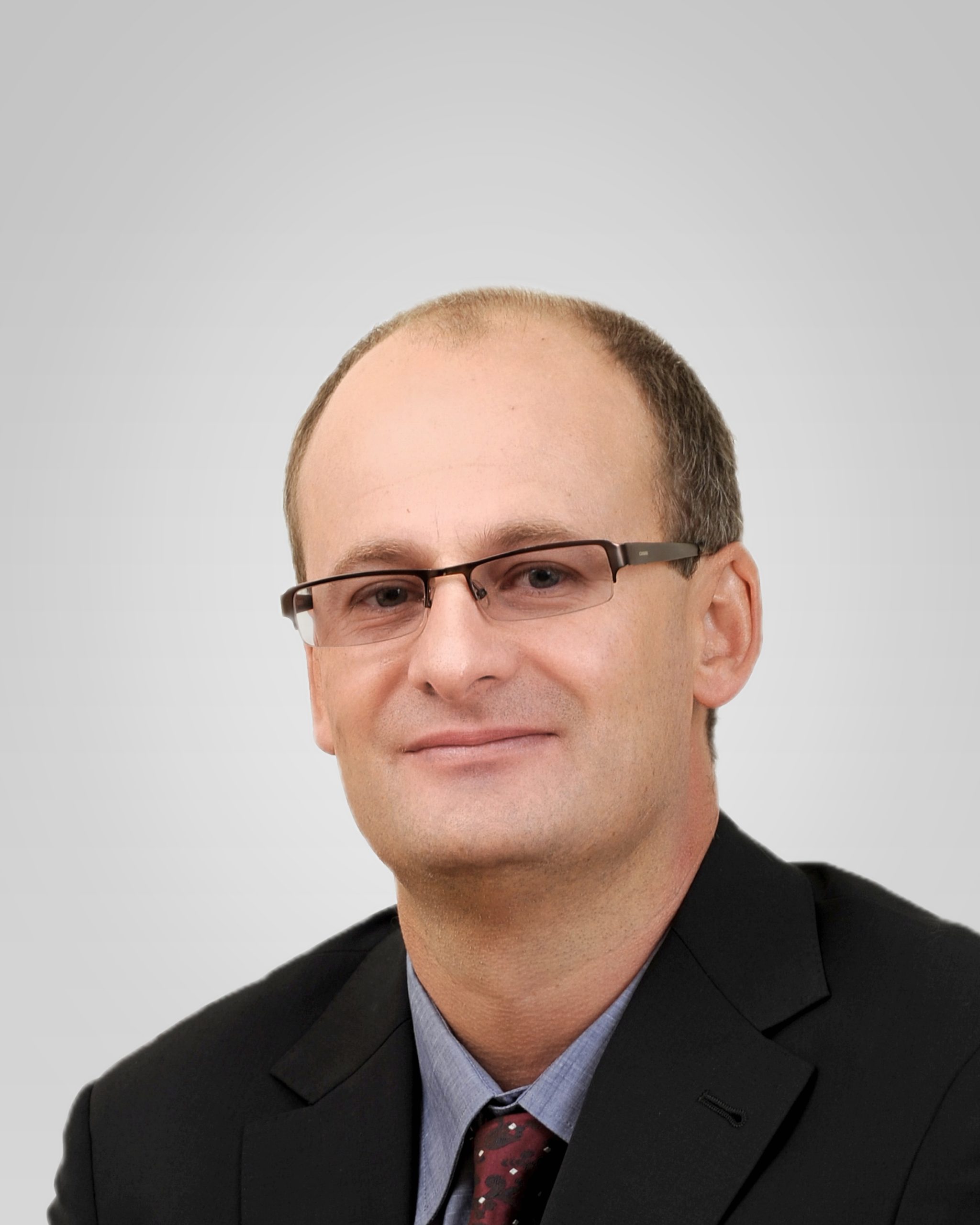
De Wet Bisschoff | Chief Sales Officer | Director of Operations | Accenture Africa | mail me |
To expediently adapt a famous observation, we do not only live interesting times but challenging ones as well and the only way we are going to navigate through our myriad problems is for a new type of leadership philosophy to emerge. It means CEO’s need to radically rethink their entire purpose and the way in which they plan operate and execute and to become more tuned into the zeitgeist. It is time to leave the ivory tower and take a reality check.
And there is no doubt the clock is ticking. The respected Institute of Risk Management said in its 2022 Risk Report that South Africa risks becoming a failed state if its lack of decisive, ethical, and courageous leadership persists.
To be a successful leader there are of course accepted hygiene qualities including decisive decision making; an astute understanding of stakeholder needs across the value chain; a readiness to adapt to fast changing circumstances; and the ability to reliably produce results. Nothing has changed in that respect.
But now in a global operating environment where issues like social inequality, climate change, lack of effective health treatment and poor education are dominating the agenda, it means the entire gamut of sustainability is now a key leadership remit. And leading in this new opaque environment means adopting mindset of what I term new hyper-accentuated empathy.
There is a growing global recognition that responding to these accelerating issues is no longer just a policy job but is now key to the long-term health and survival of business. But it is not just about staying in business, adherence to a sustainable business philosophy with a clear, measurable, and definable strategy also means growth and profitability.
Accenture’s Global Lead of Talent and Organization/Human Potential, Christie Smith says sustainability DNA – management practices, systems, and processes that facilitate equitable impact, societal value and corporate behaviour that earns the trust of all stakeholders -outperform peers by 21% on profitability. And so, as we move into a future beyond COVID-19, organisations that do not stay on top of change are slowly and silently dropping off the radar.
Embracing the future of the post-pandemic workplace means retooling and shapeshifting, embracing change and boldly shifting operations and ways of thinking to eliminate what is no longer working. So where do CEOs fit into the idea of sustainability? How can the modern CEO become sustainable?
Well, here is a starting point. Dan Cable, author of Alive at Work, describes the CEO of the past “as somewhat consumed by power” which he says “can cause leaders to become overly obsessed with outcomes and control, and, therefore, treat their employees as means to an end.” This, says Cable, leads to an environment of fear, and consequently “stop feeling positive emotions and their drive to experiment and learn is stifled,” which ultimately bubbles and twists into resentment.
To counter this, Cable posits that leaders must bring their humility to the fore and become what he calls servant leaders. According to Cable servant leaders “view their key role as serving employees as they explore and grow, providing tangible and emotional support as they do so.” Becoming a servant leader is primarily about listening. It is about creating an environment where employees feel safe, appreciated, and respected. It is about being humble.
As a leader, you are integral to the process of building a sustainable business. But you are not the most important person in the room. Your job is to make sure everyone else in your organisation feels equally as important.
Cable refers to the successful CEOs of the future as humble, while Smith calls them sustainable. But I think, most importantly, they are human. Having human empathy – particularly at this tough time we find ourselves in South Africa, with one corruption case and energy crisis after the next – is the most valuable trait a CEO can possess. Your employees will be facing daily challenges that may impact their ability to perform and so will you.
Know your employees and offer a space for them to vocalise these issues so that you can offer support. Gone are the days of top-down leadership. Gone are the days when mental healthcare and the workplace were vastly different conversations. The CEO of the future is a human being too. Not all of them in the rarefied climate of leadership acknowledge this. Now they have no choice.