






Standing out in a competitive market and attracting consumers’ attention is not easy. To achieve this, a product’s overall appearance, known as its “get-up”, should be distinctive.
A product’s get-up encompasses far more than its name or logo. It includes colours, packaging, shape, layout, graphics, labels and other distinctive visual features that consumers associate with a specific product. Businesses that fail to protect their visual identity risk losing the competitive edge they have worked so hard to build. Therefore, protecting a product get-up should form an essential part of every business’s intellectual property strategy.
Lessons from recent international cases
Recent international litigation shows that trade get-up has become a significant battleground. These disputes can determine whether brands maintain their competitive advantage or lose ground to imitators.
Sol de Janeiro vs MCoBeauty (Australia)
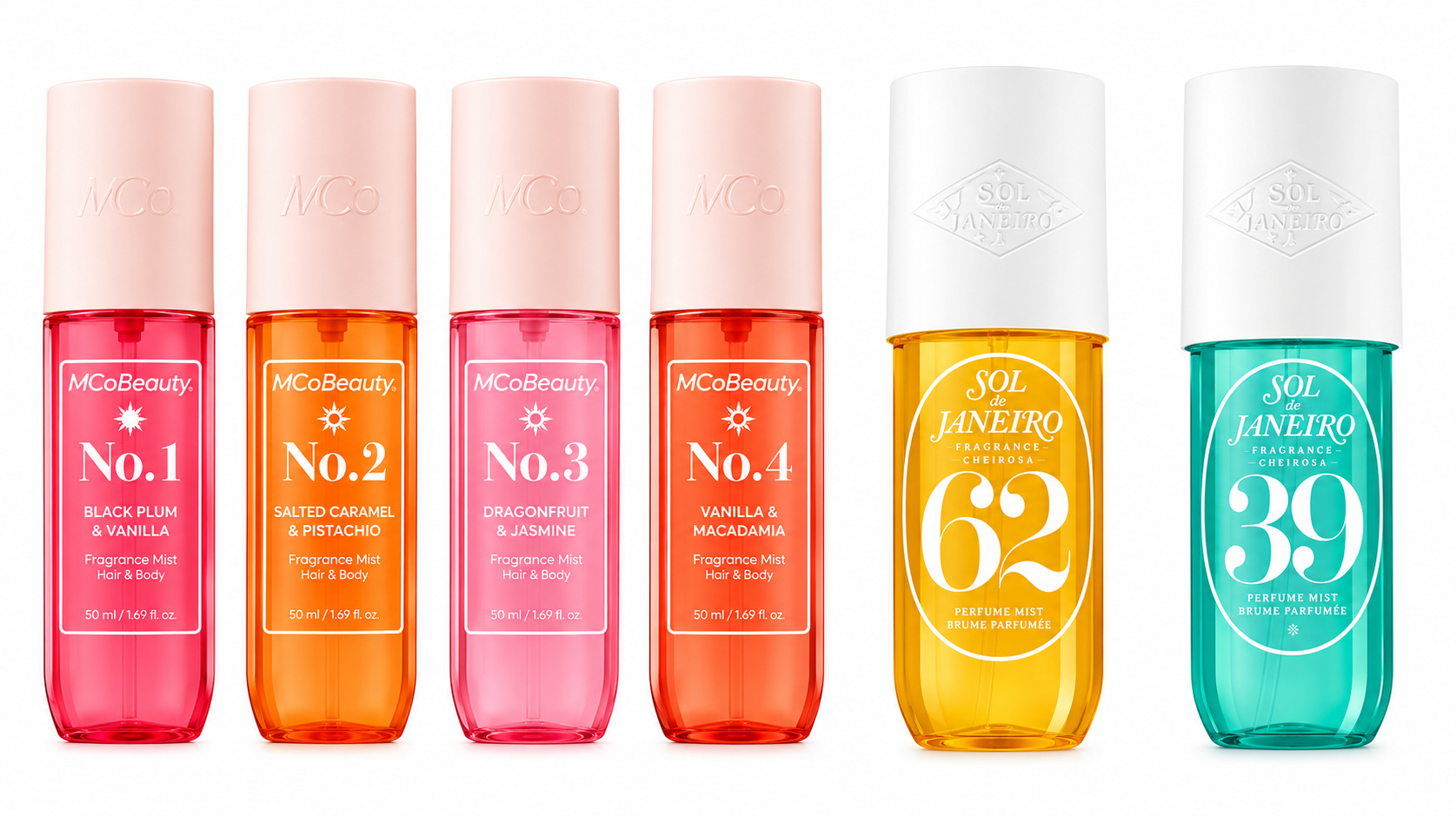
[Source: Sol de Janeiro USA, Inc. v. MCoBeauty Pty Ltd et al., Case No. 24-cv-08862 (S.D.N.Y. 2024), Exhibit.]
Beauty brand Sol de Janeiro sued Australian cosmetics company MCoBeauty for allegedly copying the trade dress of its popular CHEIROSA body mist range. The claim centred on the bottle’s unique shape and cap. It also focused on the product label, including its distinctive combination and arrangement of elements, text and graphics.
In January 2026, MCoBeauty moved to have the matter dismissed. The company challenged whether those cumulative packaging elements qualified for legal protection at all. The industry is closely watching the case to understand how far competitors in the beauty sector can legally replicate a rival product’s overall commercial impression through its packaging.
This dispute highlights the importance of protecting a product get-up when consumers associate its distinctive visual elements with a particular brand. It also raises questions about where businesses should draw the line between legitimate competition and unlawful imitation.
WHOOP vs Lexqi (China)
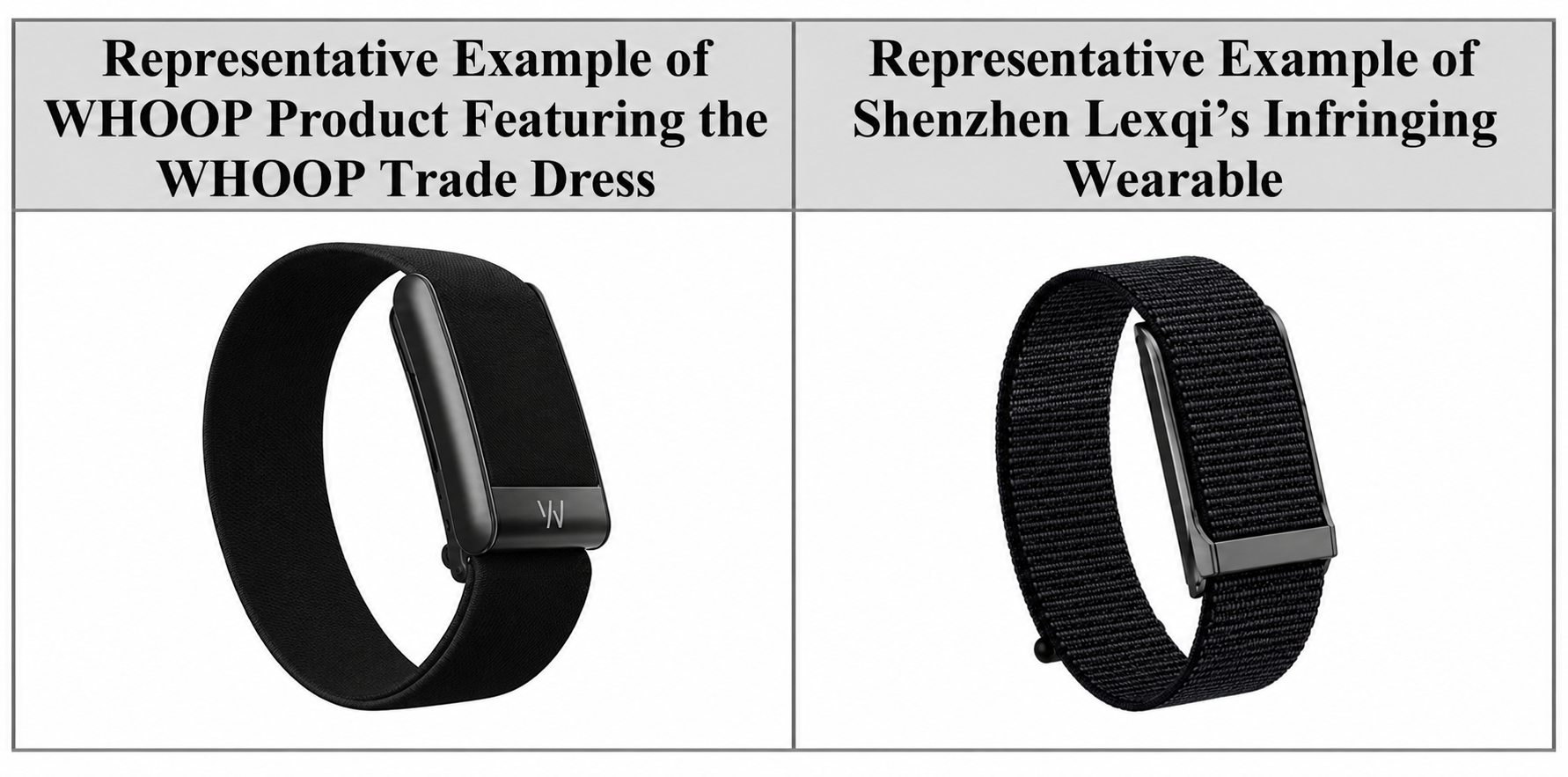
[Source: Joint Appendix and Complaint Exhibit, WHOOP, Inc. v. Shenzhen Lexqi Electronic Technology Co., Ltd., Case No. 1:25-cv-12690-FDS (D. Mass.)]
Another recent example involves wearable fitness company WHOOP and Chinese manufacturer Lexqi. Unlike the Sol de Janeiro dispute, this case concerned the overall appearance of a wearable fitness tracker rather than product packaging.
WHOOP sued Lexqi for selling near-identical health trackers on Amazon. Its claim focused on a distinctive “faceless” band design. This design features a continuous fabric strap, thin metal accents, and an unconventional watch face.
In February 2026, the court granted a preliminary injunction, also known as an interim interdict. The court found the Lexqi device “almost identical”. It also concluded that WHOOP had demonstrated a likelihood of success on its trade dress infringement claim and established irreparable harm.
This case is significant because it shows that even functional products may possess protectable features of trade get-up. Such features can deserve legal protection when they distinguish one product from competing offerings. Consequently, protecting a product get-up is not limited to conventional packaging or decorative elements. It may also extend to the distinctive overall appearance of a product, subject to the applicable legal requirements.
Product get-up disputes closer to home
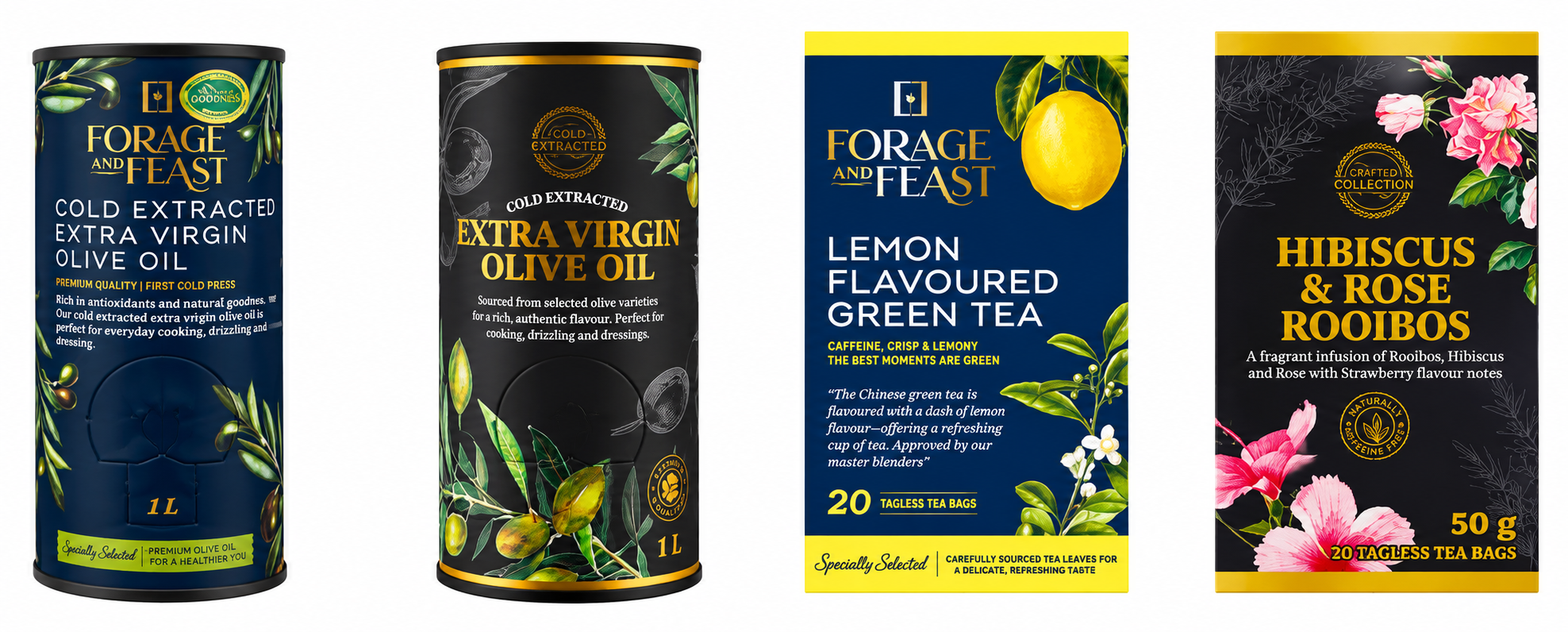
These principles extend beyond international markets. A local example demonstrates that disputes over product get-up already occur in South Africa. In Shoprite Checkers vs Pick n Pay, Checkers successfully challenged the get-up used for Pick n Pay’s CRAFTED COLLECTION products. Checkers alleged that this presentation was confusingly similar to the get-up of its FORAGE AND FEAST range.
The court found that Checkers had established a protectable reputation in the get-up of its product range. It subsequently granted relief restraining the use of a confusingly or deceptively similar get-up.
The case illustrates that a product’s overall presentation, rather than its name alone, can become commercially distinctive and worthy of protection. Furthermore, it demonstrates that courts assess get-up as a whole. The combination of features plays a central role in that assessment.
For South African businesses, the lesson is clear. A distinctive combination of colours, packaging, labels and other visual features can hold substantial commercial value. Businesses should therefore consider protecting these elements before competitors introduce similar products.
What does this mean for South African businesses?
South African law provides a solid framework for protecting get-up. Our trade mark legislation enables businesses to register marks that distinguish their goods or services from those of other businesses. Importantly, this protection can extend beyond traditional names and logos. It may also cover packaging, shapes, colours and other distinctive visual features, provided they function as indicators of commercial origin.
This protection is particularly relevant because competitors may imitate a successful product’s appearance without copying its name or logo. For example, a competitor might adopt similar colours, packaging, layouts or visual features. This approach can allow the competitor to benefit from the reputation and consumer recognition that the original business has spent years building.
Registering the distinctive elements of your product’s get-up as trade marks can strengthen your legal position. Registration grants exclusive rights to those marks for the relevant goods or services. It also provides a firm basis for seeking relief against confusingly similar use.
However, businesses should identify which elements qualify for protection and ensure that they meet the applicable legal requirements. A product’s appearance does not automatically qualify for trade mark protection simply because it looks distinctive. The relevant features must satisfy the requirements of the applicable law.
Act early and protect strategically
Your products’ packaging and overall visual identity constitute valuable intellectual property. In an era when competitors can copy successful products almost overnight, waiting until imitation occurs may be too late. Once consumers encounter a look-alike product, the goodwill associated with the original get-up may begin to dilute.
The prudent approach is to identify the distinctive elements of your product’s get-up and secure appropriate trade mark protection before an imitation enters the market. Ideally, businesses should take these steps during product development. This allows them to identify which features to protect and avoid potential conflicts with existing brands.
Businesses should also conduct appropriate trade mark and market searches before adopting a new get-up. These searches help identify existing rights and reduce the risk of infringing another business’s intellectual property.
For any business investing heavily in branding, marketing and product development, get-up should form an important part of its intellectual property strategy. Ultimately, protecting a product get-up helps businesses safeguard the distinctive visual identity they have invested in building. By acting early, they can strengthen their legal position, preserve consumer recognition and defend their competitive advantage.
 |
 |
| Thembokuhle Danca | Associate | mail me | | with oversight by Juli Hopf | Partner | | mail me | |
| | Spoor & Fisher | | |