




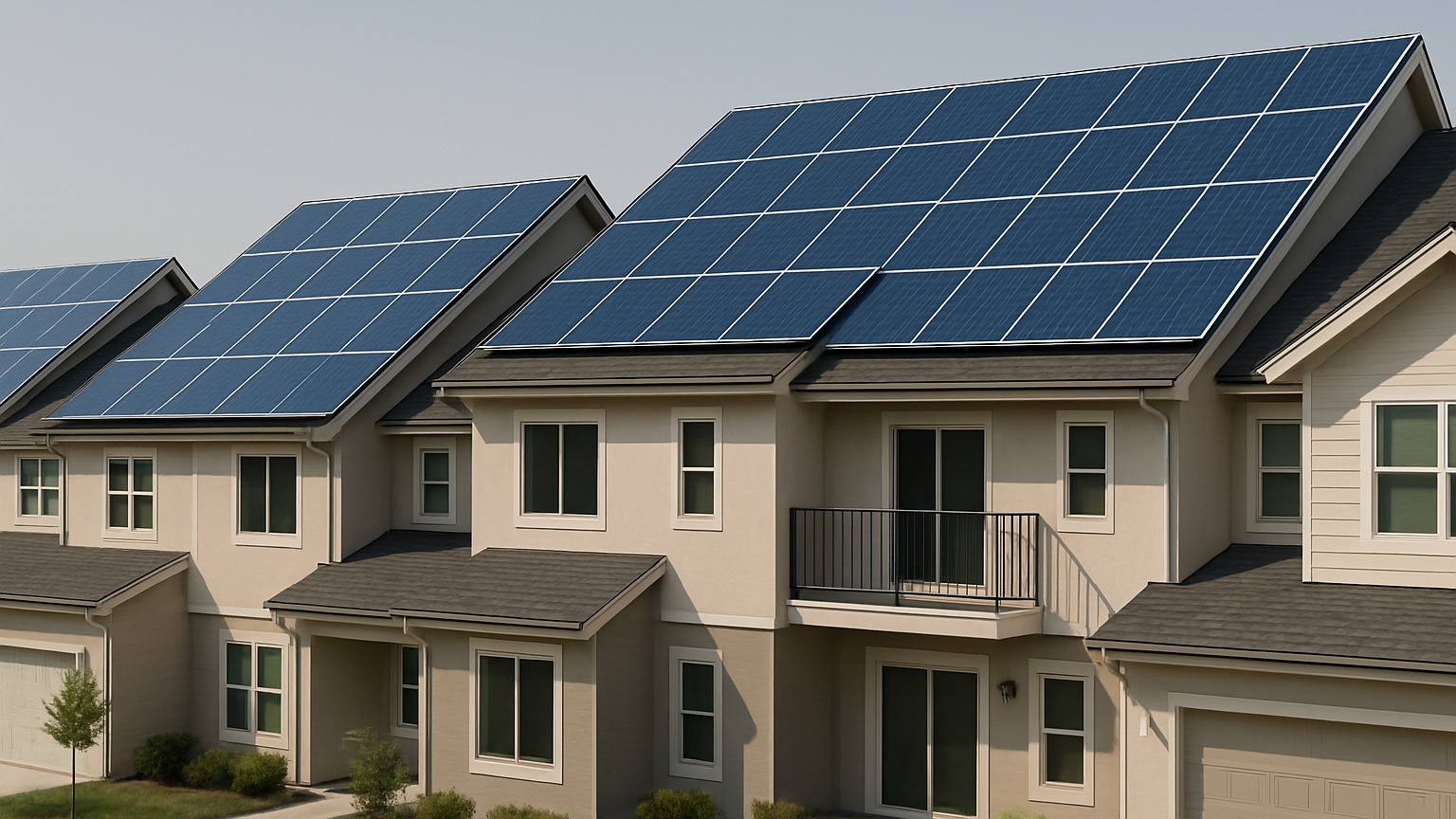
Two Gauteng residential developments, 304 On Main in Ferndale and Kierland Skye in Benoni, have turned their backs on Eskom power. They are now saving tens of thousands of rand each month while ensuring uninterrupted electricity for hundreds of residents in each complex.
Shifting the sectional title power means more than switching to solar. Both properties have recently undergone solar and battery installations. These systems insulate residents from grid disruptions and signal a shift in how shared living schemes view infrastructure, risk and long-term sustainability.
From grid dependence to energy independence
What makes these projects remarkable isn’t just the hardware, though the scale is impressive. Instead, it’s the approach. Both installations were implemented through a fully funded model. There was no upfront capital from the body corporates and no ongoing maintenance burden for trustees. Power at 304 On Main and Kierland Skye is now consumed as a service, not treated as a once-off project.
The solar solutions were designed to do what a reliable electricity supply should do: keep things running quietly and consistently each day. However, shifting the sectional title power is not just about keeping the lights on. At both sites, solar power now supports lifts, security systems and communal areas such as pools and clubhouses. In the face of an unstable grid, these amenities have become optional luxuries for many South Africans. Here, they are powered reliably.
The numbers tell a compelling story. In April alone, 304 On Main residents saved more than R17,000. At Kierland Skye, avoided energy costs exceeded R24,000 that same month.
Solar resilience in community living
Predictable solar tariffs have introduced welcome stability into budgeting processes. They help schemes avoid the volatility of municipal energy pricing. As a result, levy forecasts across both estates are becoming less speculative and more grounded in reality.
From an environmental perspective, the cumulative benefit is significant. The two systems are expected to prevent nearly 5,000 tonnes of CO₂ emissions each year. What truly sets these projects apart is the assurance of predictability they provide. In a country where predictability is rare, this is no small achievement.
Bright Light Solutions managed the installations. Governance and scheme-level implementation were supported by us. We play a key role in the sectional title ecosystem by helping schemes navigate technical, financial and legal complexity. Their involvement ensures that shifting the sectional title power happens in a way that is legally compliant, sustainable and resident-focused.
STS ensures community solar installations meet legal standards. Their expertise lies in aligning projects with South Africa’s intricate sectional title legislation. This includes everything from governance protocols and trustee mandates to levy structuring and owner engagement.
Sustainable solutions for shared living
 Both developments prioritised resident communication. Trustee briefings, WhatsApp updates and real-time monitoring dashboards kept everyone informed. The process focused as much on transparency as it did on technology.
The experiences of 304 On Main and Kierland Skye prove that solar is not just viable for residential schemes – it is practical and achievable. With the right structures and support, shifting the sectional title power builds energy resilience into community living. It offers a steady, sustainable and reliable path forward.
Bradley Mason | Executive Director | Sectional Title Solutions | mail me |