





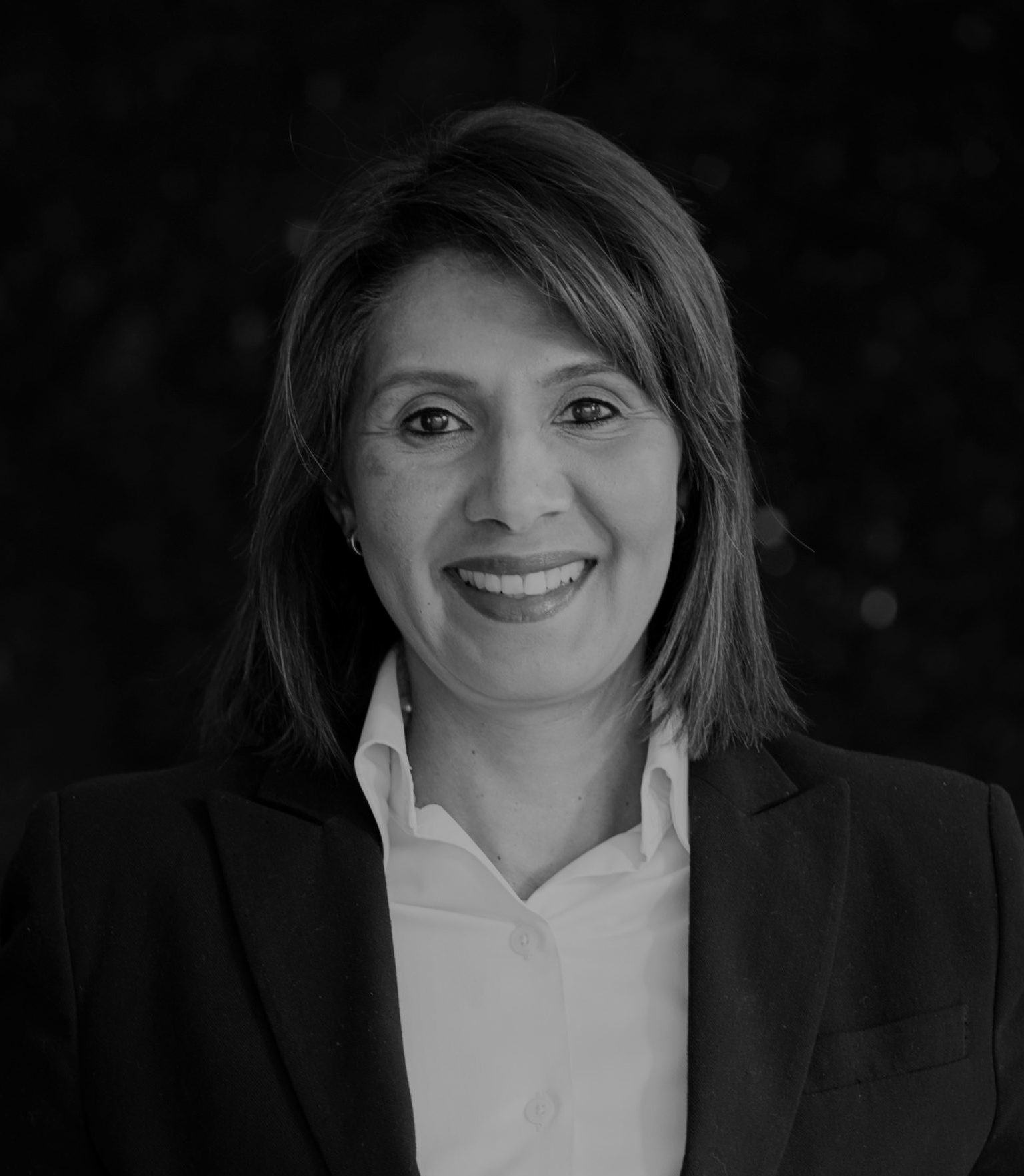
Shenaaz Nair | Head | People Consulting | Investec Bank South Africa | mail me |
The global COVID-19 pandemic has provided critical leadership lessons for governments and organisations around the world. The crisis affirmed the importance of bold, decisive decision-making in the face of unprecedented challenges, while also highlighting the importance of agile thinking and adaptability.
Above all else, it has shown that leaders need compassion and altruism because everyone and everything in this world are inextricably linked.
As part of our Women Behind the Mask series, a panel of prominent local businesswomen and professionals discussed the topic of Women in Leadership, revealing the prominent role that females have, and will continue, to play in leadership positions within corporate South Africa and in society at large.
Female leadership in the workplace
Despite the pandemic’s devastating health, humanitarian and economic impacts, it has served as a watershed moment of female leadership in the workplace. The pandemic allowed us to show our full selves.
For the first time, we were not required to leave behind parts of ourselves when entering the workplace. Instead, working and connecting from home has put all of our roles as a mother, wife, homemaker and business professional on display.
For the first time, we’ve had the opportunity to truly appreciate how much women do and how much responsibility we hold. And this need to rise to the challenge and forge ahead in an environment of physical separation by engaging and leading via online platforms, has torn down many of the barriers that constrain female leaders from acting in a manner true to their nature.
The ‘Zoom boom’ has brought the essence of female leadership and management styles to the fore.
“Women are persuasive rather than confrontational, which has proven successful in the virtual collaborative environment. However, we’ve also lost an important element in our gentler management style because it is much harder to impart empathy and sympathy without direct interpersonal contact. Without the physical interaction, you lose that intimacy, which has made it difficult to communicate in those soft and gentle ways.”
– Wendy Applebaum, Owner and Chair at De Morgenzon Wine Estate
Yet, female leaders have excelled in an environment where there is less physical interaction because they naturally fulfil community-building roles in society.
“When you don’t see each other, you need to make sure that everyone is on the same page all the time. Women naturally take a consultative and collaborative approach in the workplace because bringing people together is a dominant female characteristic. This has been vital to keep every team member in the loop while operating in a remote working environment.”
– Marle van der Walt, CEO, Investec Bank South Africa
Women’s natural leadership style
A woman’s natural leadership style aims to align views, bring people together and achieve consensus. Working in this manner with all stakeholders in your team or organisation is an extension of how women guide their families.
The key to success in this paradigm is the ability to listen in order to understand, rather than retort.
“There are instances when everybody has a different opinion and those who are talking generally want to get their point across. They’re not necessarily listening to each other to find commonality. So, it is up to me as the leader to listen, no matter how insignificant a comment might seem, to capture any points of commonality and reframe the discussion accordingly.”
– Bongi Kunene, CEO, Banking Association of South Africa
Allowing this natural leadership style to flourish has also empowered women in management and leadership positions.
Sometimes, as leaders, women hide behind their professionalism, which means people don’t have access to the real you. This makes it hard for staff, especially other women, to connect with you and relate to the fact that we face the same challenges. And this is a vital element to help empower and uplift other women.
Women in leadership roles have a responsibility to other women, which we shouldn’t take lightly. We need to invest in young women and really help them navigate their careers in a meaningful way that adds value.
Mentorship
Women need to support each other. We know what our younger colleagues are going through, so we need to be there to support them, whether that’s to offer a sounding board or share our experience and advice.
Ultimately, young women need to assert and apply themselves and work hard to ascend into leadership positions.
There is no one who makes your career for you. You make it for yourself. You should always be ready when the opportunity arises to step into it. When mentoring, I always focus on what the mentee is looking for but sometimes you find that they are looking for the ‘how to’ and my standard advice – own your journey.
And once you have a seat at the table, you need to speak up for other women, especially for minority groups that don’t have a seat at the table. You need to make sure that you raise awareness and that you open doors for other women.
It is a really tragic and sad situation when women refuse to lead like women should. We need women in leadership to apply their conscience and these values. Women have a special ‘gut feel’ and need to use it. When we do, we can all do well while also doing good.
And now, without the guises we wear in the boardroom to remain politically correct, female leaders are free to tackle the crisis as their authentic self. People either get behind it or they don’t, and you work with what you’ve got because there is no other option in the crisis.
Patriarchal stereotypes and leadership styles
There has been no time or capacity to pander to sensitivities during the crisis. That’s why women’s unvarnished authenticity has comes to the fore.
This means, often for the first time, women have led without the need to conform to patriarchal stereotypes or leadership styles.
Within this environment, women in leadership roles have shown that you can balance a business’s financial needs with the soft aspects, such as supporting and providing comfort to people in the organisation.
Addressing challenges around funding the business to ensure it doesn’t go under, while working to help people who rely on their jobs or those who are starving in the country has required extra time and resources. We’ve needed to put our heads down and work hard to try and make a difference.
Everything has become intertwined during the crisis. From a business perspective, the focus has been on trying to protect your people as much as possible. As leaders, we’ve had to look forward and plan, finding ways to save that still protect our people and doing our best to come through this.
In conclusion
In this environment, balancing short-term requirements to save jobs and protect vulnerable breadwinners, with long-term planning to ensure business sustainability has become critical. Women are equipped to deliver firm leadership on all these fronts.
In the roles we hold as women in leadership, we have the ability to influence decisions so that they are purpose-driven and have maximum impact.
As Advocate Thuli Madonsela said, if we commence each day with a single question: ‘how will I improve life in this world today?‘ then our actions will always be purpose-driven and impactful.