





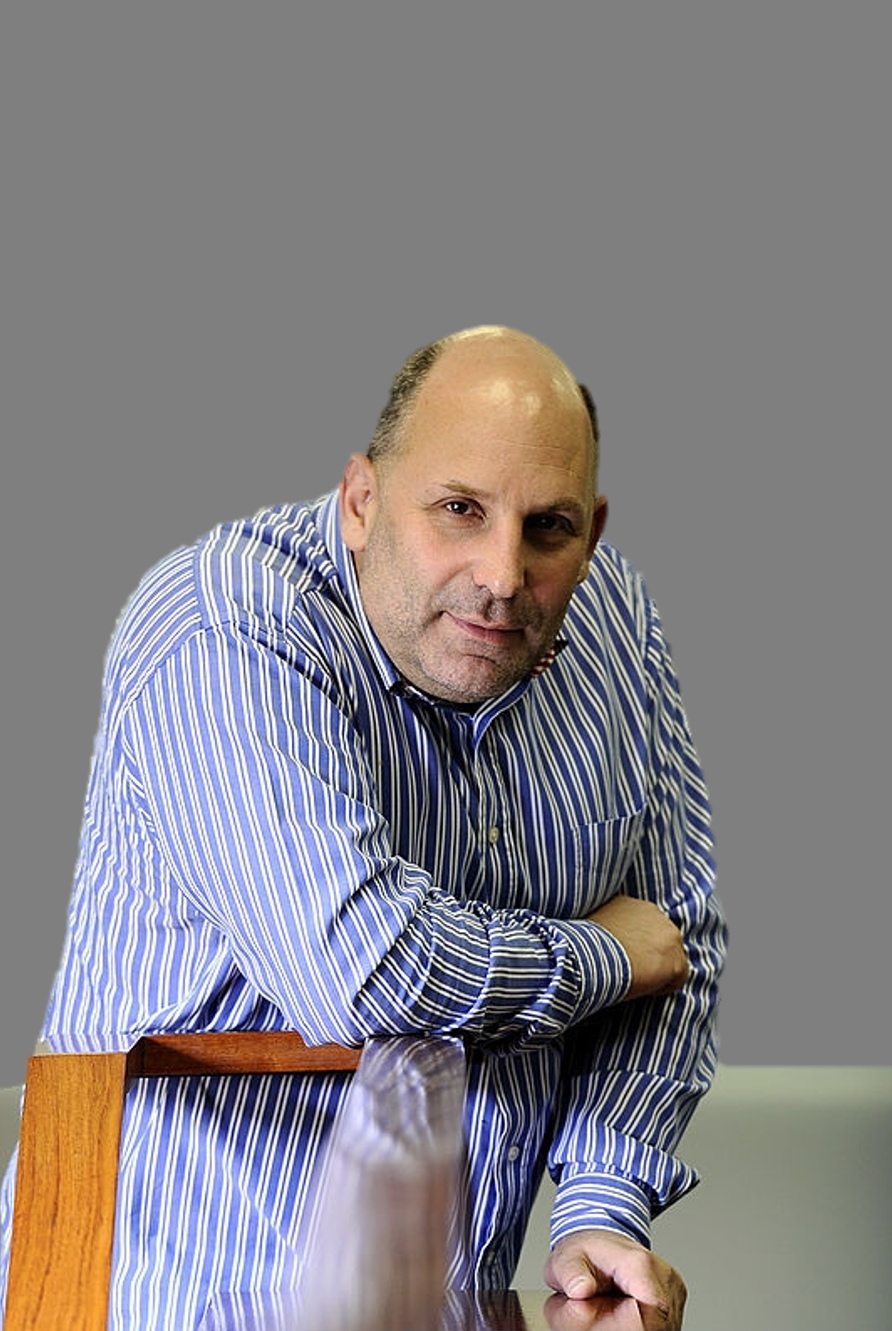
Nicholas Wolpe | Founder & CEO | The Liliesleaf Trust | mail me |
As Shakespeare said: ‘all the world’s a stage, and all the men and women merely players.’ Today, COVID-19 is the world’s dominant player, and it is wreaking havoc.
Though it is unclear what the long-term economic and structural consequences of COVID-19 may be, what is irrefutable is that the virus has changed our lives forever.
We are being compelled to change the way we do business, interact and behave. The idea of social distancing, which just a few short months ago was unheard of, has become the middle words in human relations.
Over the last few months, a lot is being said about how the world will change. Concerns and fears that lockdowns are threatening the very core of universal human rights and civil liberties abound. To compound matters, we are well on the way to an economic meltdown of gigantic proportions.
As the debate rages between the trade-off of lives versus economic wellbeing, the reality is that the lockdown has brought severe financial and social hardship. Once again the poor are being hit the hardest.
The pandemic has impacted everyone – the middle class, the employed, self-employed and businesses. Unemployment is spiking, and as the harsh impact of the economic fallout cascades across the world, we are questioning and re-evaluating the feasibility and benefits of globalism and neo-liberal, free-market policies.
As attention turns to the easing of lockdown restrictions and the gradual reopening of economies, the question on everyone’s mind is how we, as the global community – as it can only be done in solidarity – are going to rejuvenate and reboot economic activity?
The last time the world experienced such an economic crisis as devasting as the one we are currently experiencing was the Great Depression of 1929–33. Millions were left unemployed, homeless, and dependent on food banks and kitchens. We are witnessing the same today, as the lockdowns are pushing the world into a global depression.
To prevent the advent of a global depression, and to ensure that economies can withstand the impact of economic lockdowns, a comprehensive economic stimulus package must be implemented to ensure countries’ economies can bounce back.
The world’s wealthiest nations should drive it, and they should, in turn, draw on President Roosevelt’s New Deal and the Marshall Plan.
In their time, both provided the necessary stimulus; the New Deal to restart the American economy and pull it out of the Great Depression, and the Marshall Plan which enabled Western Europe to rebuild their shattered economies from the ashes of World War II.
Roosevelt’s New Deal was a series of initiatives to stabilise the American economy and provide security, jobs, and relief to the suffering. The New Deal fundamentally and permanently changed the American federal government by expanding its size and scope – and in particular, its role in the economy. The Marshall Plan, also known as the European Recovery Programme, providing financial grants at no interest.
As South Africa went into lockdown, the concern and speculation was (and still is) rife, that our stagnating economy, with high and rising unemployment and weak public finances – the consequence of a shrinking tax base – would be heading for an economic Armageddon. This concern was further compounded by Moody’s downgrading South Africa to junk status at the end of March, which made borrowing for government and state-owned enterprises much more costly. It is noteworthy that Britain was downgraded at the end of March – from AA to AA-.
At this global moment of economic reckoning, the focus should be on the need to pump liquidity into global economies through either increasing domestic borrowing – increasing the deficit to GDP – or grant stimulus packages through the Bretton Wood Institutions. For, as the US economist Paul Krugman has put it, paraphrasing Franklin Roosevelt, ‘the only fiscal thing to fear is deficit fear itself.’
It is no exaggeration that South Africa is facing its own Ground Zero. We have an opportunity to construct and develop our own New Deal, and in the process, address the underlying structural imbalances created by the legacy of apartheid. As President Ramaphosa has continuously stressed, the present conditions offer the country the opportunity once and for all to undertake systemic restructuring to address the distortions and imbalances caused by the legacy of apartheid.
What lies before us, along an all-inclusive path, is a chance for a new economic dawn.