



Bed bugs are tough to get rid of, but there are smells and things they can’t stand. Knowing what bed bugs don’t like can help you keep your home free from them. This way, you can enjoy a bite-free space.
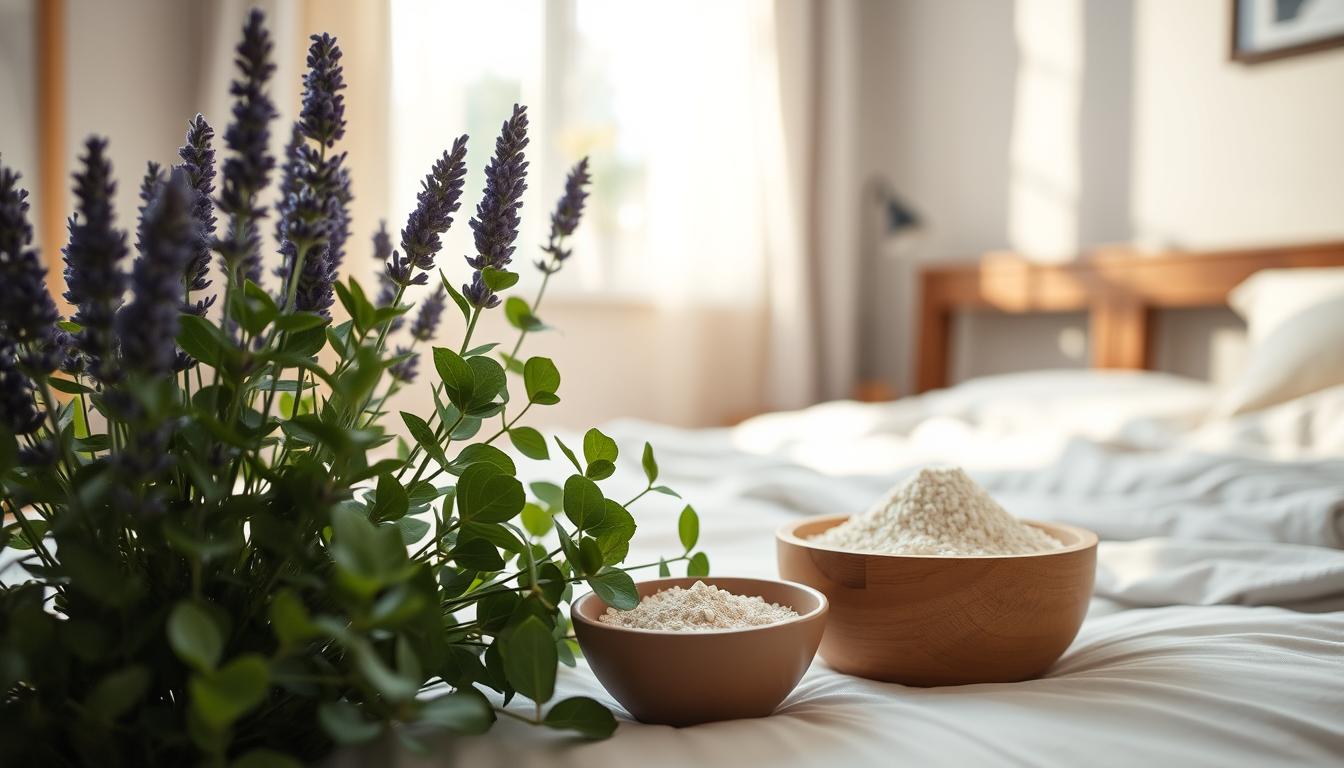
Tea tree oil is a great natural way to keep bed bugs away. Its strong smell makes them leave. Lavender oil is also effective, as its scent keeps bed bugs from coming back.
Blood orange oil is another good choice for getting rid of bed bugs. It keeps them away. Diatomaceous earth (DE) is also recommended by experts. It works by drying out and killing bed bugs when they touch it.
Key takeaways
- Tea tree oil and lavender oil are powerful natural repellents that can drive bed bugs away from your home.
- Blood orange oil can effectively kill bed bugs and prevent future infestations.
- Diatomaceous earth is a non-toxic powder that can eliminate bed bugs by dehydrating them.
- Powdered pepper, lemon juice, cinnamon, and peppermint are also effective natural deterrents against bed bugs.
- Neem oil is a natural insect repellent that can deter both bed bugs and mosquitoes.
Understanding Bed Bugs and Their Habits
Bed bugs are tough pests that can really upset homeowners. They are small, reddish-brown, and love warmth, carbon dioxide, and human blood. They sneak into homes through luggage, used furniture, or clothes. So, it’s important to know how to stop them and get rid of them.
What Attracts Bed Bugs to Your Home?
Bed bugs are great at hitchhiking and can be in many places, like hotels and hospitals. They love places where people sleep because they get food from human blood. Bed bugs can live up to 400 days without eating, making them hard to get rid of.
Common Signs of a Bed Bug Infestation
- Small, reddish-brown bugs visible on bedding or in cracks and crevices
- Dark spots on bedding, which are bed bug feces
- Bloodstains on sheets or mattresses from crushed bugs
- A musty odor resembling coriander or spoiled raspberries
Finding bed bugs early is crucial. Dogs trained to sniff out bed bugs can find them with 97% accuracy. This makes them a big help for both homeowners and pest control experts.
| Bed Bug Fact | Statistic |
|---|---|
| Bed bugs can ingest seven times their weight in blood | – |
| Adult female bed bugs can lay up to 500 eggs in their lifetime | – |
| Bed bugs can survive without food for 20 to 400 days | – |
| Bed bugs are not known to spread diseases, but their bites can cause skin irritations | – |
To manage bed bugs, you need a solid plan. This includes using essential oils for bed bugs, effective bed bug prevention strategies, and professional bed bug control methods. Knowing how bed bugs behave is the first step to keeping them away.
“Bed bugs are adept hitchhikers and can be found in various places like public transportation, hospitals, and commercial buildings.”
Natural Repellents That Bed Bugs Dislike
Nature has many ways to keep bed bugs away without harming the environment. Essential oils and common items in your home can be used to repel bed bugs. These natural solutions are effective and safe for your space.
Essential Oils: Effective Solutions
Lavender, peppermint, and tea tree oils are great at keeping bed bugs away. Lavender oil can be sprayed to keep them off. Peppermint oil’s smell also repels bed bugs. Tea tree oil is good for more than just bed bugs, thanks to its antiseptic and antifungal properties.
Vinegar and Its Repellent Properties
Vinegar’s acidity is a natural way to keep bed bugs away. Use a vinegar solution on areas where bed bugs are found. The smell of vinegar is not pleasant for bed bugs, making it a cost-effective repellent.
Other Household Remedies
- Cinnamon – Bed bugs can’t stand cinnamon’s strong scent, so it keeps them away.
- Diatomaceous Earth – This powder, made from fossilized algae, dries out bed bugs, making it a safe choice.
- Powdered Pepper – The smell and ingredients in powdered pepper repel bed bugs, keeping them out of your home.
Other natural repellents like lemon juice, neem oil, and clove oil also work well. Using these eco-friendly options helps you deterring bed bugs naturally and keep bed bugs away from your home.
“These natural repellents may not kill bed bugs but can effectively repel them from infested areas.”
Environmental Factors Bed Bugs Avoid
Bed bugs are very sensitive to their environment. Knowing what they dislike can help control and prevent infestations. [https://entomology.ca.uky.edu/ef636] They don’t like extreme temperatures and specific humidity levels. This makes their homes easier to find.
Temperature Extremes – Too Hot or Too Cold
Bed bugs don’t like changes in temperature. Temperatures between 95 to 122 Fahrenheit for three weeks can kill them. On the other hand, cold below 32 Fahrenheit can freeze them in four days.
Bed bugs’ eggs are also affected by temperature. Eggs hatch in 45 days at 59 Fahrenheit, unlike the usual 10 to 16 days. A room at 122 to 140 Fahrenheit for an hour can kill bed bugs and their eggs.
High Humidity Levels and Their Impact
Bed bugs also dislike high humidity. Adult bed bugs can live longer without food than younger ones. But, high humidity can hurt their survival and reproduction. This is key for effective bed bug prevention and control.
Knowing what bed bugs avoid is key for bed bug control methods and effective bed bug prevention. This knowledge helps homeowners and professionals fight infestations. It ensures a what do bed bugs hate approach to keep them away.
Prevention Tips to Keep Bed Bugs Away
Keeping your living space clean and organized is key to avoiding bed bugs. Regular vacuuming and deep cleaning can get rid of hiding spots and stop bed bugs from multiplying. Also, sealing cracks and openings in walls, floors, and furniture stops bed bugs from getting in and breeding.
Sealing Cracks and Crevices
Bed bugs love tight spots and can fit through tiny openings. By checking your home and sealing any cracks with caulk or sealant, you can lower the chance of bed bugs. This action blocks bed bugs from finding places to hide and limits their movement in your home.
Utilizing Protective Mattress Encasements
Buying good mattress and box spring encasements is a smart move against bed bugs. These covers, usually made of strong vinyl or fabric, keep bed bugs out of your mattress and box spring. It’s important to check and keep these encasements in good shape to keep bed bugs away.
FAQ: What Do Bed Bugs Hate?
What do bed bugs hate?
Bed bugs don’t like certain smells and things. They don’t like essential oils like tea tree, lavender, and blood orange. They also don’t like lemon juice, diatomaceous earth, and powdered pepper.
What attracts bed bugs to your home?
Bed bugs like warmth, carbon dioxide, and human blood. They get into homes in luggage, used furniture, or clothes.
What are the common signs of a bed bug infestation?
Look for small, reddish-brown bugs and dark spots on bedding. Also, check for bloodstains on sheets and a musty smell like coriander or spoiled raspberries.
What essential oils are effective in repelling bed bugs?
Tea tree, lavender, blood orange, peppermint, and citronella oils keep bed bugs away. Thyme oil has thymol, which hurts bed bugs’ nervous systems.
How do other household remedies help repel bed bugs?
Vinegar’s acid keeps bed bugs away. Diatomaceous earth dries them out, and powdered pepper smells bad to them. Lemon juice and cinnamon also keep bed bugs away.
How do temperature extremes impact bed bug survival?
Bed bugs can’t handle very hot or cold. Heat treatments kill them. High humidity also affects their survival and how many they can make.
What prevention methods can help keep bed bugs away?
Clean and vacuum often. Seal cracks and crevices. Use mattress encasements. Check hotel rooms and wash clothes on high heat after trips.
Source Links
- https://www.lakenormanpest.com/top-10-scents-that-keep-bed-bugs-away/
- https://proofpest.com/things-bed-bugs-dont-like/
- https://www.bedbugsarizona.com/blog/the-bugs-we-love-to-hate-interesting-facts-about-bed-bugs
- https://guestban.com/the-shocking-truth-about-bed-bugs-in-hotels/
- https://www.planetnatural.com/pest-problem-solver/household-pests/bed-bug-control/
- https://hicare.in/blog/top-10-scents-that-keep-bed-bugs-away/
- https://www.zunexpestcontrol.com/post/what-do-bed-bugs-hate
- https://www.bedbugbarrier.com.au/what-smells-do-bed-bugs-hate/?srsltid=AfmBOooWCXJ3M_HzsdchWZZRpzu5yF4RLQqud4gpvS-oEezlTC18B9kw
- https://bedbugspecialist.co.uk/are-bed-bugs-influenced-by-the-weather/
- https://shepherdsdream.com/blog/uncategorized/natural-defense-can-wool-bedding-act-as-a-barrier-against-bed-bugs/?srsltid=AfmBOoqUkC9eWFZMfGiZYwdlpC6XJDiutg9G_CoGVMWLSkqLY_mCpAD0
- https://njaes.rutgers.edu/fs1251/
- https://www.trianglepest.com/blog/8-wrong-ways-eliminate-bed-bugs