





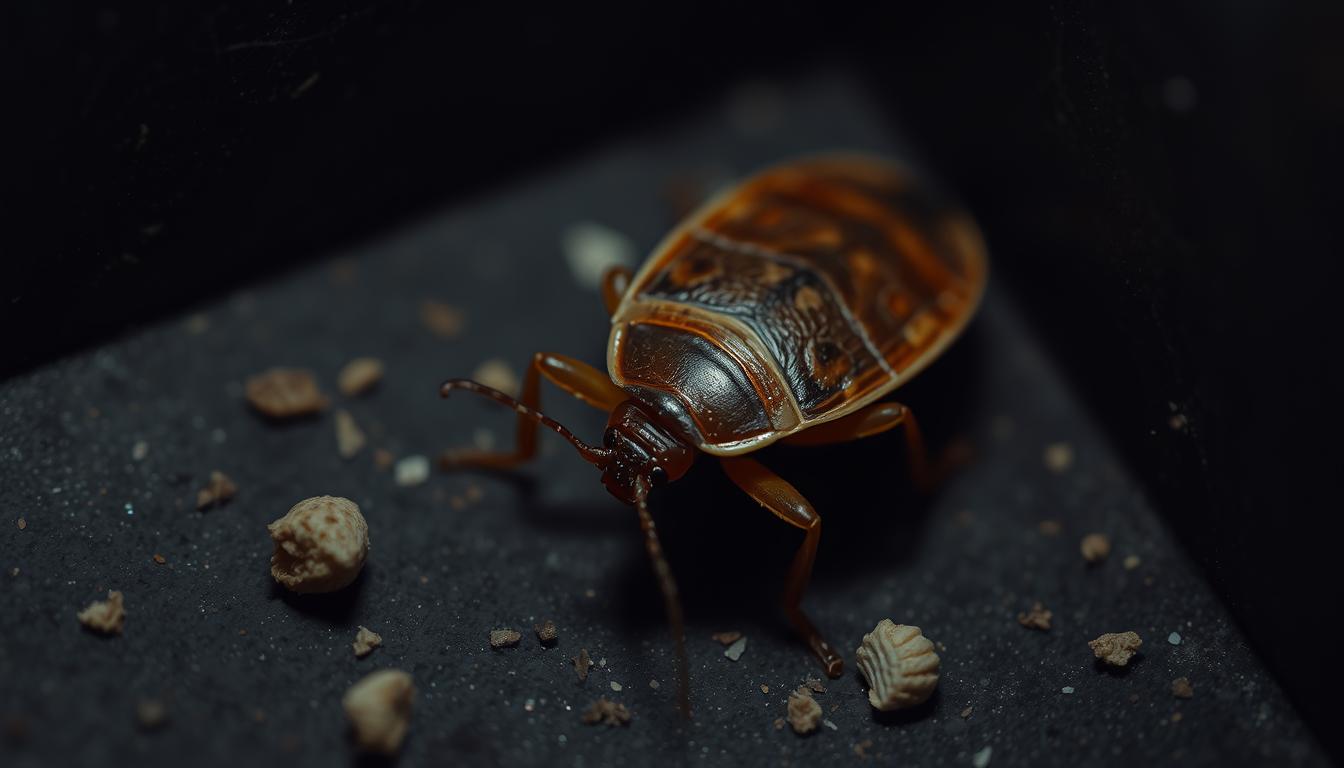
Bed bugs are tough and can live for a long time without feeding on humans. They can go without blood for weeks, making them hard to get rid of. This is a big problem for people trying to keep their homes pest-free.
Studies show bed bugs can last up to 4.5 months without a host. But, not all bed bugs live as long. Baby bed bugs, or nymphs, might not make it past a few weeks without food. Adult bed bugs, however, can survive longer, up to 4.5 months, if conditions are right.
Several things affect how long bed bugs can live without a host. Things like having other animals to eat, and the temperature around them. Bed bugs can’t handle very cold or hot temperatures for long. If it’s too cold or too hot, they will die in just a few weeks.
Key takeaways
- Bed bugs can survive for up to 4.5 months or more in an empty house without a blood meal.
- Young bed bugs may die within several weeks without a host, while adults can survive up to 4.5 months under optimal conditions.
- Temperatures consistently below 25°F or above 113°F for more than a week can kill bed bugs.
- Bed bugs can feed on rodents, pets, and other animals if no human host is available, extending their survival time.
- Proactive bed bug control measures, including professional extermination, are crucial for eliminating infestations effectively.
Understanding Bed Bugs’ Lifespan Without Food
Bed bugs are tough pests that need blood from mammals and birds to live. Knowing how long they can survive without food helps us fight infestations better.
The Basics of Bed Bug Survival
Adult female bed bugs lay up to one egg a day. Each egg takes about 10 days to hatch. It takes another 5-6 weeks for the young to grow into adults. At room temperature, they can live 2-3 months without eating.
Factors Affecting Longevity
Many things can change how long bed bugs can live without food. Temperature and where they hide are big factors. Cold temperatures can make them live up to a year without eating. Bed bugs also feed during the day if they’re hungry.
How Temperature Impacts Survival
Bed bugs live in many places, from fancy homes to shelters. They can go a long time without finding food. Knowing how they survive helps us fight them better.
“Bed bugs have made a significant resurgence worldwide, particularly in densely populated urban areas due to factors like global travel and increasing pesticide resistance.”
The Impact of Environment on Bed Bug Lifespan
Bed bugs are known for their ability to thrive in different places. Their longevity without feeding can change based on their environment. Knowing how environment affects bed bugs is key to controlling them.
Indoor vs. Outdoor Conditions
Bed bugs prefer indoor places because they find humans and hiding spots easily. Outdoors, they face more challenges like changing temperatures, UV rays, and predators.
Humidity and Its Role
Humidity greatly affects bed bug survival. They do worse in humid places than in dry ones. Freezing temperatures can also kill them, including their eggs and young.
Common Hiding Spots After Host Departure
Even when humans leave, bed bugs find new hiding spots. They hide in cracks, furniture, and behind outlets. This skill helps them survive without food.
| Environmental Factor | Impact on Bed Bug Survival |
|---|---|
| Temperature |
|
| Humidity |
|
| Hiding Spots |
|
Understanding how environment affects bed bug longevity without feeding helps in fighting these pests. Pest control experts and homeowners can use this knowledge to better manage bed bugs.
Strategies for Bed Bug Management
Managing bed bugs well needs a mix of chemical and non-chemical methods. Catching them early is crucial. This stops them from spreading in your home. Regular checks and quick action are key to fight infestations.
Signs of a Bed Bug Infestation
Spotting bed bug signs is the first step. Look for live bed bugs, their droppings, shed skins, and. Also, watch for small blood spots on bedding.
Preventing Reinfestation
To stop bed bugs from coming back, be proactive. Check your luggage and wash clothes in hot water after traveling. Vacuuming can remove bed bug signs. Covering your mattress and box spring helps keep them away.
When to Seek Professional Help
If bed bugs are a big problem or DIY methods fail, get professional help. Bed bugs are hard to kill with common insecticides. Experts use special tools like heat treatments to get rid of them for good.
FAQ: How Long Do Bed Bugs Last Without a Host?
How long can bed bugs survive without a host?
Bed bugs can live for 4.5 months or more without eating. Young ones might die in weeks, but adults can last up to 4.5 months.
What factors affect the survival of bed bugs without a host?
Bed bug survival depends on having other hosts and the temperature. They can’t last more than 3 weeks in very cold or hot temperatures.
Can bed bugs survive for a year or more without a host?
Leaving a home for a year won’t get rid of bed bugs. You might need professional help. Cold temperatures can slow them down, making them last up to a year.
Do bed bugs only feed at night?
Bed bugs don’t just feed at night. They’ll eat during the day if they’re hungry. They can be found in many places, not just mattresses.
How do bed bugs spread?
Bed bugs spread through luggage and other items, not on people. They don’t like heat and try to avoid skin and hair.
Can bed bugs transmit diseases?
Bed bugs can carry diseases, but they don’t pass them to humans.
How effective are common treatments for bed bugs?
Many treatments don’t work because bed bugs are resistant. Using a mix of chemicals and non-chemical methods, like fumigation and heat, is more effective.
How quickly can bed bugs reproduce?
One female bed bug can lay up to 500 eggs. They reproduce fast. It’s important to act quickly to control their numbers.
Source Links
- https://www.dominionpestcontrol.com/how-long-can-bed-bugs-live-in-empty-house/
- https://www.mcdonaldpestcontrol.com/how-long-do-bed-bugs-live-without-a-host/
- https://www.dshs.texas.gov/sites/default/files/region1/documents/Epi/Bed-Bugs-Fact-Sheet.pdf
- https://www.scientificamerican.com/article/top-10-myths-about-bedbugs/
- https://ipm.ucanr.edu/PMG/PESTNOTES/pn7454.html
- https://pmc.ncbi.nlm.nih.gov/articles/PMC4553455/
- https://www.health.vic.gov.au/environmental-health/bedbugs-pest-control
- https://www.maine.gov/dhhs/mecdc/public-health-systems/lho/documents/bb_guidelines_best_mgmt.pdf
- https://www.vdacs.virginia.gov/pdf/bb-nonchemical1.pdf