





Termites can be a homeowner’s worst nightmare, costing billions of dollars in damage each year across the United States. These wood-eating pests can silently burrow through the structural components of your home, compromising its integrity and leading to costly repairs. However, you don’t have to fall victim to these destructive insects. In this comprehensive guide, we’ll explore the various termite repellents, natural termite deterrents, and effective termite control methods to help protect your home from these unwanted invaders.
Key takeaways
- Termites can cause significant structural damage and financial losses to homeowners, making prompt action critical.
- Recognizing the signs of termite infestation, such as drywall discoloration, paint peeling, and mud tubes, is crucial for early detection.
- Natural termite repellents like salt, cayenne pepper, and boric acid can be effective in deterring and eliminating these pests.
- Chemical termiticides and professional pest control services may be necessary for severe infestations or to ensure complete eradication.
- Implementing a comprehensive termite prevention strategy, including the use of termite-proof materials and effective termite barriers, can help safeguard your home in the long run.
Signs of Termite Infestation
It’s key to spot the signs of termite infestation early. This way, you can act fast to stop more termite damage. Look out for discolored drywall and mud tubes to catch an infestation before it gets worse.
Drywall Discoloration or Pin-Sized Holes
Termites can tunnel through drywall, causing discoloration or small holes. If you see unusual marks or holes in your walls, check them out.
Paint Peeling That Appears to Be Water Damage
Termites can make paint peel like water damage. This is a sign of active termite infestation inside your walls.
Squeaky Floorboards
Termites eating wood under your floors can make them squeaky. If your floors start creaking, get a pro to check.
Termite Droppings or Pellets
Termite droppings or pellets are clear signs of termite activity. These small pieces of waste show up in corners or along baseboards, indicating an infestation.
Termite Wings
When termite colonies grow, winged termites, or “swarmers,” come out. Seeing discarded termite wings near windows or doors means you have an active termite problem.
Mud Tubes Climbing Your Foundation
Subterranean termites make mud tubes to get to wood. Seeing these tubes on your foundation is a clear indicator of termite infestation.
If you see any of these signs, act fast. Call a professional exterminator to check and suggest the right termite control steps.
Natural Termite Repellents
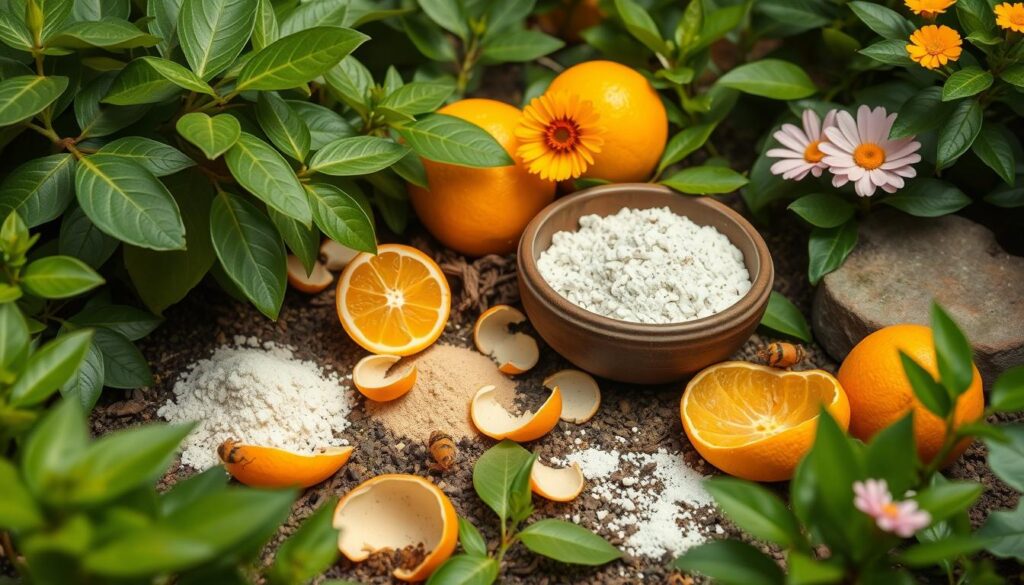
Looking for green ways to keep termites away? There are many natural options that work well without harsh chemicals. These natural termite deterrents are easy to make and won’t break the bank.
Salt
Make a solution of salt and warm water to kill termites. Salt’s rough texture harms their skin, causing them to die.
Cayenne Pepper
Cayenne pepper’s capsaicin hurts termites’ nerves. Sprinkle it around to keep them away.
Boric Acid
Boric acid stops termites from getting nutrients. Use it in cracks to starve them to death.
Cardboard Bait System
Cardboard baits can trap termites. The cardboard’s cellulose attracts them, helping you control the problem.
Diatomaceous Earth
This powder, made from diatoms, dehydrates termites. Sprinkle it to keep them away.
Using these natural termite deterrents can help you fight termites without harming the environment or your wallet.
What Repels Termites

Many household items can help fight termites. Soapy water can suffocate them. White vinegar, either alone or mixed, is also a safe way to kill termites. Orange oil, with d-limonene, is deadly to termites and can be used directly or injected into walls.
These effective termite repellents and household products that kill termites are simple and cost-effective DIY termite control solutions. They are great for homeowners to try before using more expensive pest control methods.
Soapy Water
Soapy water is a natural termite deterrent. It works by disrupting the termites’ breathing, killing them.
White Vinegar
White vinegar, straight or diluted, is a household product that can kill termites. Its acidity is deadly to these pests, making it a strong DIY termite control solution.
Orange Oil
Orange oil, with d-limonene, is a strong natural termite repellent. It can be applied directly or injected into walls to kill termites.
| Termite Type | Characteristics | Preferred Habitat |
|---|---|---|
| Subterranean Termites | Most common and destructive | Moist soil |
| Drywood Termites | Infest dry wood | Homes, furniture, wooden structures |
| Dampwood Termites | Prefer moist and decaying wood | Damp environments |
“Termites can weaken structures’ structural integrity by consuming wood from the inside out.”
Physical Termite Control Methods
Physical methods are very effective in controlling termites. One way is flooding termite nests. Use a garden hose to drown the colony, including the queen. This method is great for subterranean termites because it targets their underground homes.
Flooding Termite Nests
Another way is to expose termites to extreme temperatures. They are very sensitive to heat or cold. While it might not solve the problem alone, it can help when used with other methods.
Exposing Termites to Extreme Temperatures
Knowing termites’ weaknesses helps us use physical termite control methods. These include non-chemical termite eradication and temperature-based termite elimination. The goal is to mix these with other methods for a lasting solution.
“Termites are highly sensitive to drastic changes in their environment, and this sensitivity can be exploited to eliminate them.”
Biological Termite Control
Biological control methods are a great way to fight termite infestations. They are also good for the environment. Nematodes and the Beauveria bassiana fungus are two effective agents.
Nematodes
Nematodes are tiny roundworms that attack and kill termites. They inject bacteria or feed on them. These worms can quickly grow in termite colonies, getting rid of the pests.
They are a safe choice for homeowners because they are natural and non-toxic. This is unlike chemical treatments.
Beauveria Bassiana Fungus
The Beauveria bassiana fungus is also good for controlling termites. When termites touch the fungus spores, they get infected and die. This fungus is safe for humans and pets.
It’s a natural way to get rid of termites without using harsh chemicals. This method is better for the environment and your health.
“ARS scientists in Peoria and New Orleans developed a foam containing a fungus called Paecilomyces fumosoroseus to control the destructive Formosan subterranean termite, a major pest causing billions in damage annually. The foam effectively kills termites by exposing them to fungal spores, offering a biological alternative to traditional chemical insecticides.”
Professional Termite Control
Dealing with a big termite problem? It might be time to call in the pros. Experts have the skills, tools, and methods to get rid of termites for good. They also help keep your home safe from future infestations.
Sentricon Baiting System
The Sentricon baiting system is a top-notch way to fight termites. It uses bait stations around your home’s edge. These stations kill the whole termite colony, including the queen, stopping the problem at its root.
Termiticides and Chemical Barriers
Another approach is using termiticides and chemical barriers. Pest control pros apply these strong chemicals around your home’s base. This creates a barrier that keeps termites out and protects your home. These treatments can last for years, offering long-term protection.
Seeing termites in your home? Reach out to a trusted pest control service like American Pest. Their team will check your home, find out how bad the problem is, and suggest the best professional termite control method. This could be the Sentricon baiting system or termiticides and chemical barriers. Acting fast can save your home from serious damage and costly repairs.
Conclusion
Termites can be a big problem for homeowners, causing a lot of damage if not stopped. You can fight them off with natural, physical, biological, and professional methods. Options range from DIY like soapy water and boric acid to professional treatments.
Protecting your home from termites starts with being proactive. Regular checks, good ventilation, and quick action can reduce the risk of damage. By doing these things, you can feel safe knowing your home is safe from termites.
Termite control is a complex issue, often needing the help of pest control experts. Whether you try DIY methods or get help from pros, being alert and acting fast is key. This helps keep your home safe and its value high.
FAQ: What Repels Termites?
What are the signs of termite infestation?
Signs of termites include drywall that looks discolored or has pin-sized holes. Paint might peel off, looking like water damage. You might hear squeaky floorboards.
Look for termite droppings or pellets, discarded wings, and mud tubes on your foundation.
What natural methods can be used to repel termites?
Natural ways to keep termites away include using salt, cayenne pepper, and boric acid. A cardboard bait system and diatomaceous earth also work well. These methods can help with small infestations.
What common household products can be used to kill termites?
You can use soapy water, white vinegar, and orange oil to kill termites. These items are easy to find in your home.
What physical control methods can be used for termites?
To control termites, try flooding their nests with a garden hose. You can also expose them to extreme temperatures. This can be very hot or very cold.
What are some biological control options for termites?
Biological controls include using nematodes (tiny roundworms) and the Beauveria bassiana fungus. These methods can kill termites without harming humans or pets.
When should I consider professional termite control services?
If you have a big or ongoing termite problem, get professional help. Pest control services can use the Sentricon baiting system and apply termiticides. Trained exterminators can get rid of termites and stop them from coming back.
Source Links
- https://www.agropestpros.com/blog/how-to-get-rid-of-termites-naturally
- https://lawnlove.com/blog/pest-control-plants-to-deter-termites/
- http://extension.msstate.edu/content/signs-termite-infestation
- https://www.orkin.com/pests/termites/how-to-identify-termite-activity
- https://hicare.in/blog/home-remedies-to-get-rid-of-termites/
- https://earth911.com/home-garden/natural-termite-prevention/
- https://proofpest.com/plants-that-repel-termites/
- https://buckarooservices.com/blog/diy-termite-tips/
- https://www.loyalpest.com/termites/prevention/how-can-i-prevent-termites-naturally/
- https://www.pest-ex.com.au/blog/chemical-termite-barrier-how-they-work-safety-installation-cost/
- https://staysafe.org/pest-control/what-are-the-best-methods-of-termite-control/
- http://extension.msstate.edu/content/methods-termite-control
- https://njaes.rutgers.edu/fs338/
- https://www.varsitytermiteandpestcontrol.com/blog/natural-ways-of-eliminating-termites
- https://content.ces.ncsu.edu/termites-biology-and-control
- http://www.epestsupply.com/termite_treatment_methods.php
- https://diypestcontrol.com/blog/best-termite-killer.html?srsltid=AfmBOoqlR-mFMF9E4pci90s_JLGg3Dh732fSF_9XXOMUrcqoGIhe-D9i
- https://americanpest.net/blog/which-termite-treatment-is-most-effective/
- https://entomology.ca.uky.edu/ef605
- http://extension.msstate.edu/publications/protect-your-house-termites
- https://entomology.ca.uky.edu/ef604