

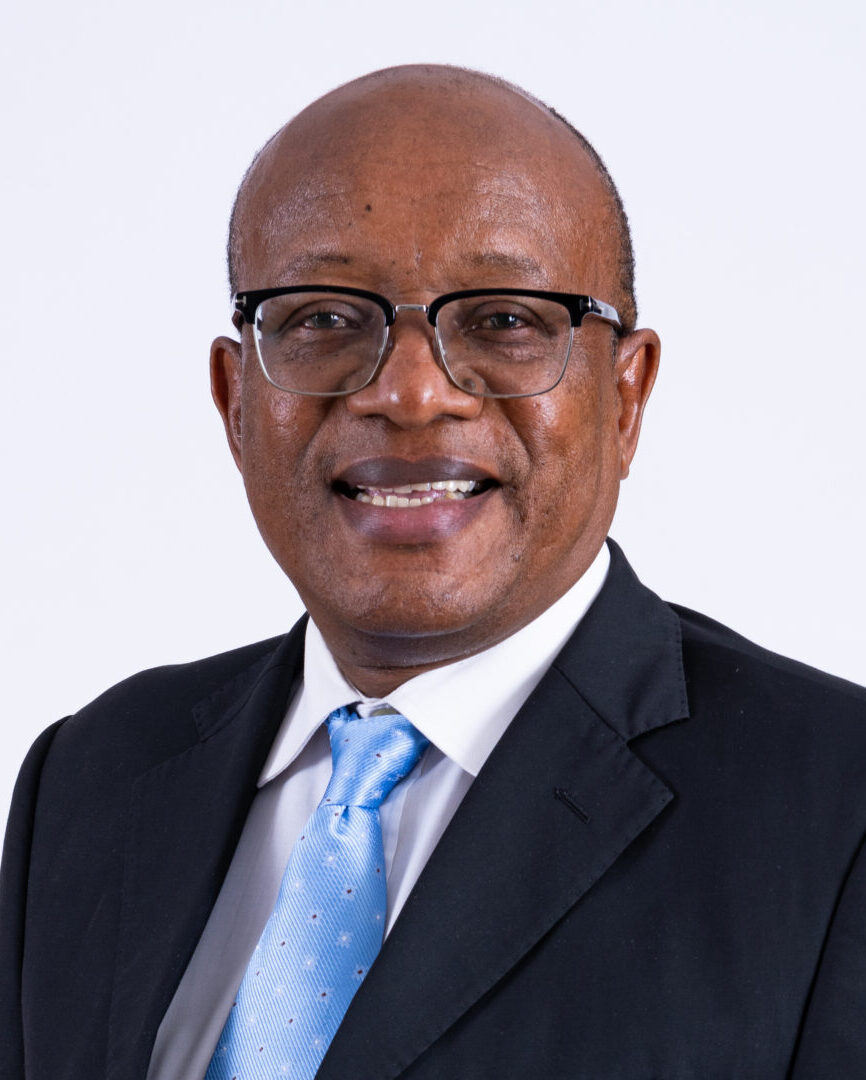
Ignatius Sehoole | Chairman and CEO | KPMG Southern Africa | mail me |
Despite global economic uncertainty and geopolitical tensions, African CEOs are optimistic about their own organisations’ growth prospects. This is according to the our 2025 Africa CEO Outlook Survey, which captures the perspectives of 130 CEOs across Southern, East and West Africa.
The survey forms part of our global CEO Outlook, now in its 11th year, which includes insights from 1,350 CEOs across 11 markets. This demonstrates a new wave of business confidence shaping Africa.
This year’s results reflect a confident and pragmatic leadership mindset across the continent. African CEOs are not only adapting to global challenges but are actively investing in the future through Artificial Intelligence (AI), talent and sustainable growth strategies. The outlook is clear: resilience and innovation will define Africa’s growth story.
Economic outlook
This year’s results paint an optimistic picture underpinned by growth and investment – despite economic challenges – with 78% expressing strong business confidence, up by more than 12% year on year and 98% expecting business expansion over the short term (3 years). Similarly, M&A appetite is surging, with 86% of African CEOs likely to pursue acquisitions in the next three years, up from 77% last year. Once again, this indicates a new wave of business confidence shaping Africa.
Confidence in domestic economies is also rising, with 63% of African CEOs expressing optimism about their country’s growth prospects up from 61% in 2024.
African CEOs are facing the same global forces, technological disruption, inflationary pressure and geopolitical tension. Locally, they have identified three pressing challenges to doing business in Africa: integrating AI into core operations (32%), managing regulatory pressures (25%) and strengthening cybersecurity (24%). However, they are turning these headwinds into catalysts for transformation, with 72% adjusting their growth strategies to deal with market challenges. These actions illustrate a new wave of business confidence quietly taking shape across Africa.
Technology and Generative AI
AI has emerged as the top strategic priority for African CEOs heading into 2026. 71% are investing in AI to drive operational efficiency and long-term resilience, and 26% plan to allocate more than 20% of their annual budget to AI, nearly double the global average of 14%.
This high level of investment by Africa CEOs, despite declining economic optimism, reflects a shift in mindset where Africa CEOs in West Africa (65%), East Africa (40%) and Southern Africa (38%) view AI not only as a tool for future growth but as an immediate lever for operational efficiency, better decision-making and long-term resilience. Such bold investment signals a new wave of business confidence shaping Africa.
Infrastructure gaps complicate the progress of technology and AI adoption in Africa as many African organisations continue to face unreliable power supply, limited broadband connectivity and outdated computing systems that restrict the use of data-intensive AI solutions.
In the same way, 96% cite data readiness as a challenge, highlighting the need for local data curation and infrastructure investment. However, instead of slowing innovation, African leaders are taking pragmatic steps forward, with cybersecurity and digital resilience investment topping the list (45%), followed by AI integration across workflows (40%) and 34% investing in immediate, scalable technology and solution innovation.
To deploy and scale AI, African organisations are faced with three options: build, buy or partner. Each organisation must weigh the pros and cons of building, buying or partnering for AI solutions. There is no one-size-fits-all-approach. The right strategy depends on the organisation’s existing capabilities, risk appetite and strategic objectives. A sustainable approach should be shaped by the business context, the desired outcomes and the ability to scale and govern AI effectively.
– Joelene Pierce, CEO Designate of KPMG South Africa
Talent in the age of AI
Talent remains central to AI adoption and organisational transformation, with 81% of African CEOs believing that upskilling in AI will directly impact their success. 67% are redeploying staff into AI-enabled roles and 88% expect to increase headcount. These measures reflect a new wave of business confidence shaping Africa.
This action reinforces that AI complements rather than replaces human capability. In fact, broader digital and technological literacy is viewed as the top leadership capability that is becoming essential, with AI understanding and digital literacy ranking as one of the top 3 of 17 leadership capabilities in today’s fast-changing environment.
Reflecting on insights from our Africa CEO survey, it is clear that the qualities required for effective leadership are rapidly evolving. Today’s CEO is expected to be more than just a strategic thinker – they must also embrace digital and AI literacy, lead cultural transformation and demonstrate agility in decision-making under pressure. The demands extend far beyond the boardroom; modern leadership requires CEOs to be communicators, innovators and champions of change. These are the capabilities shaping the future of the profession.
– Tola Adeyemi, CEO KPMG West Africa
As Africa has a relatively younger workforce, it provides a buffer, giving more time to plan and build future-ready talent pipelines. Only 15% of Africa CEOs report generational gaps in critical future skills such as AI adoption (30% globally).
Regionally, we are seeing very similar strategies to long-term workforce changes in response to AI, with West Africa leading in redesigning roles and career paths to reflect AI collaboration (65%) and deploying staff from traditional roles to AI-enabled roles (70%). East Africa CEOs are leading the way in hiring new talent with AI and tech capabilities (62%), whereas Southern Africa is placing a similar focus across these three areas.
ESG and sustainability
African CEOs remain committed to ESG goals, despite regulatory complexity, with 79% showing confidence in their ability to navigate ESG regulations across markets.
Even though 51% prioritise compliance and reporting standards to meet investor and regulatory demands, with only 55% demonstrating confidence in their capability and capacity required to meet new reporting standards, they remain significantly behind global CEOs (77%).
Africa faces higher regulatory challenges, with 21% citing the complexity of decarbonising supply chains as their top barrier in achieving net zero and climate ambitions. A lack of skills and expertise to successfully implement solutions contributes to this gap. However, Africa CEOs remain resilient, with 74% using AI to reduce emissions and improve energy efficiency to meet these demands and 46% driving sustainability within core strategy.
West Africa leads the way in prioritising compliance and reporting standards to meet investor and regulatory demands at 60%, followed by East Africa (48%) and Southern Africa (35%).
CEOs worldwide, including those in Africa, continue to recognise the importance of ESG within their organisations and are implementing diverse strategies for sustainability in response to evolving market demands.
– Benson Ndung’u, CEO KPMG East Africa
In conclusion
As Africa’s business landscape continues to evolve, the 2025 KPMG CEO Outlook reveals a continent brimming with optimism.
CEOs are not only responding to global headwinds but are reimagining growth through innovation, resilience and purpose-driven leadership. This is the essence of a new wave of business confidence quietly taking shape across Africa.
With strategic investments in AI, talent and ESG, African leaders are laying the foundation for sustainable transformation and a continent that is set for continued growth. The collective impact signals that a new wave of business confidence shaping Africa is here to stay.