



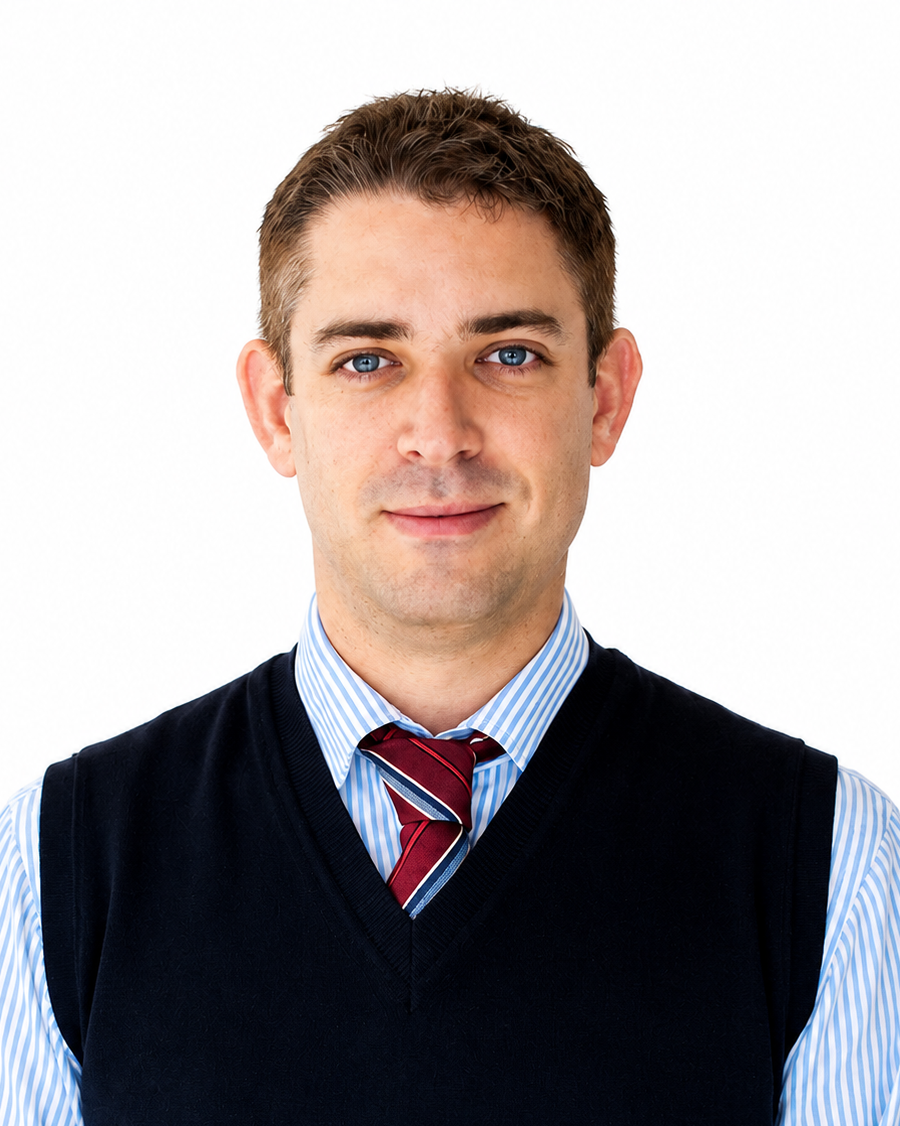
Dylan Cunard | Director | Werksmans Attorneys | mail me |
South Africa is sitting on a growing backlog of mature private equity assets. Managers cannot exit them, and investors cannot access them. The global solution already exists, but we are not using it yet. Exits depend on a cooperative stock exchange, willing trade buyers and investors patient enough to wait out a fund’s full life.
In South Africa, none of those conditions is reliably available. The result is a growing backlog of mature assets, mounting pressure on fund managers and investors who cannot access the returns owed. The secondary market is changing that, and the numbers behind it are extraordinary.
Global secondary transaction volumes reportedly hit a record $162 billion in 2024. They exceeded $200 billion in 2025. By mid-2025, volumes were already up 51% year-on-year. Ardian’s Secondary Fund IX, the world’s largest-ever fund established to invest exclusively in private equity secondaries, closed on $30 billion last year alone. This shows that the market is no longer a niche corner of private markets. Instead, it has become one of the fastest-growing areas in global finance.
How the secondary market works
The secondary market takes two main forms: investor-led or fund manager-led transactions. In an investor-led transaction, an investor, such as a pension fund that is rebalancing its portfolio, sells its fund interest to a third-party buyer before the fund reaches the end of its life. The buyer acquires a mature, de-risked asset. The seller gets liquidity.
The second form is more impactful. A fund manager creates a continuation vehicle. This new fund acquires assets from an older fund approaching the end of its life. Existing investors can either cash out at fair value or roll into the new structure and continue participating. There is no forced sale or forced premature exit. Instead, the structure allows more time for quality assets to reach their potential.
Once viewed with suspicion as a sign of distress, continuation funds have been rehabilitated. In the UK and across Europe, sophisticated managers now often use them as a preferred tool for holding winning assets for longer. The stigma is largely gone. In its place, a market worth hundreds of billions of dollars annually has emerged.
South Africa has one of the continent’s most mature PE industries. However, it has lacked exactly what the secondary market provides: an efficient mechanism to recycle capital and manage fund lifecycles flexibly. The conditions for change are now converging. Many South African funds raised between 2013 and 2018 have reached or passed their natural end-of-life. Managers face pressure to return capital. Yet listings remain difficult, M&A is slow and traditional exit routes remain constrained. The secondary market offers a credible and proven answer through both investor-led sales and GP-led continuation structures.
A growing opportunity for South African private equity
South Africa’s institutional base is also maturing. Pension funds, insurers and development finance institutions are developing greater sophistication in private markets. As they do, secondary sales will shift from an optional tool to an essential portfolio management mechanism.
Meanwhile, global secondary buyers are actively hunting deal flow beyond North America and Europe. South Africa will be on their radar. This creates an important opportunity for South African private equity managers and investors to develop more flexible approaches to liquidity and portfolio management.
Secondary transactions involve complex issues and require careful implementation. GP-led continuation funds involve genuine conflicts. The same manager oversees both the fund selling the assets and the fund buying them. That demands independent valuation, real investor choice and comprehensive disclosure. This disclosure must cover not only transaction terms, but also fee changes, conflicts and valuation methodology. Investors must be able to give truly informed consent. They must not merely rubber-stamp a process.
Where fund agreements lack a formal advisory committee, best practice is to appoint an independent transaction committee. This committee should oversee the process and confirm fairness. The difference between a clean transaction and a contentious one almost always comes down to process rigour and the quality of investor communication.
Building a stronger secondary market for South African private equity
Secondary markets emerge from maturity. Major private equity centres with developed secondary markets have benefited greatly from increased liquidity. They have also attracted new capital as a result.
South Africa’s market is better placed than most to benefit. The institutional sophistication is building. The deal flow is there, and global buyers are looking. For South African private equity, the secondary market can provide an important mechanism for unlocking mature assets, recycling capital and managing fund lifecycles more effectively.
What remains is for local managers and investors to act before the opportunity passes. As the market continues to mature, South African private equity has an opportunity to establish a more dynamic and liquid ecosystem. The secondary market can help unlock value from existing portfolios while creating greater flexibility for investors and fund managers.