




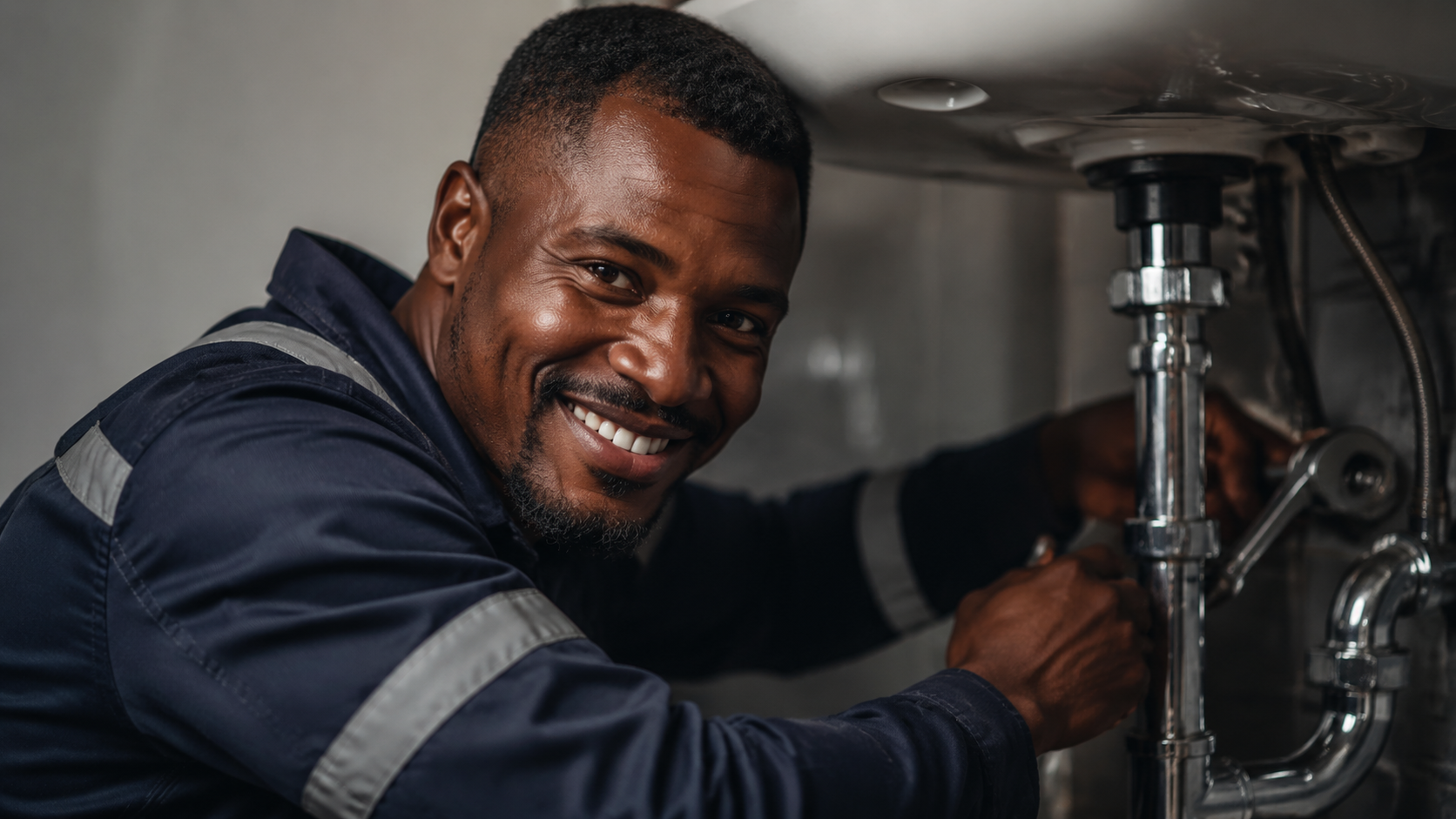
A Plumber salary in South Africa usually ranges from about R8,000 to R30,000 per month, depending on experience, trade qualification, employer, location, overtime, call-outs and whether the role is in residential plumbing, commercial plumbing, maintenance, construction, municipal services or emergency plumbing. Qualified plumbers, artisan plumbers and plumbing supervisors can earn more.
Plumbers install, repair and maintain water, drainage, sanitation, geyser and pipe systems. The role is common in construction companies, plumbing contractors, property maintenance teams, municipalities, facilities management companies and private service businesses.
Key takeaways
- Entry-level or apprentice Plumbers may earn around R8,000 to R12,000 per month.
- Experienced Plumbers often earn between R12,000 and R22,000 per month.
- Senior, qualified or specialist Plumbers may earn R22,000 to R30,000+ per month.
- Commercial plumbing, emergency call-outs and self-employment can increase earning potential.
- Trade testing, PIRB registration, geyser work, leak detection and construction experience can improve salary prospects.
Plumber salary range in South Africa
| Experience level | Estimated monthly salary |
|---|---|
| Apprentice / entry-level Plumber | R8,000 – R12,000 |
| Experienced Plumber | R12,000 – R22,000 |
| Senior / qualified Plumber | R22,000 – R30,000+ |
| Wider market range | R44,000 – R306,000 per year |
Salary sources vary because some roles are listed as Plumber, Apprentice Plumber, Artisan Plumber, Maintenance Plumber, Commercial Plumber, Master Plumber or Plumbing Foreman.
Indeed reports an average Plumber salary of about R11,745 per month in South Africa, based on salary data updated in June 2026. PayScale reports an average Plumber hourly rate of about R51.16, with a total pay range of about R44,000 to R306,000 per year. SalaryExpert reports a higher average Plumber salary of about R385,399 per year, or roughly R32,117 per month. Indeed also reports a Cape Town average of about R13,763 per month, showing that location and employer can affect pay.
What does a Plumber do?
A Plumber installs, repairs and maintains plumbing systems in homes, businesses, construction sites and public facilities.
Typical duties include:
- Installing water pipes and drainage systems
- Repairing leaks and burst pipes
- Installing and maintaining geysers
- Unblocking drains and toilets
- Reading plumbing plans or site drawings
- Fitting taps, toilets, basins, showers and valves
- Testing water pressure and drainage flow
- Finding faults in plumbing systems
- Maintaining pumps, tanks or water systems
- Working with builders, electricians and property managers
- Following plumbing codes and safety standards
- Responding to emergency plumbing call-outs
In construction, plumbers may focus on new installations. In maintenance or service businesses, they may spend more time on repairs, blocked drains, geysers, leaks and emergency work.
What affects a Plumber salary?
Qualification and trade status
A qualified, trade-tested plumber usually earns more than a plumbing assistant or apprentice. Formal trade status can improve access to better-paying construction, municipal, commercial and maintenance roles.
Experience
Experienced plumbers who can diagnose faults, work independently, read plans and complete jobs neatly are more valuable than entry-level workers.
Commercial vs residential work
Commercial plumbing can pay more than basic residential plumbing because it often involves larger systems, stricter compliance, construction coordination and more complex installations.
Emergency and call-out work
Plumbers who do after-hours work, weekend call-outs or urgent repairs may earn more through overtime, call-out fees or higher service rates.
Location
Pay can vary by city and province. Indeed reports a Cape Town Plumber average of about R13,763 per month, while its Johannesburg average is about R8,715 per month, based on reported salaries at the time of publication.
Entry-level Plumber salary
An apprentice or entry-level Plumber may earn around R8,000 to R12,000 per month.
At this level, the person may assist qualified plumbers, carry tools and materials, prepare work areas, cut pipes, help with installations and learn how to diagnose plumbing problems. Indeed reports an average Apprentice Plumber salary of about R9,281 per month.
Experienced Plumber salary
An experienced Plumber may earn between R12,000 and R22,000 per month.
This level usually applies to someone who can handle repairs, installations, leak detection, geyser work, drain blockages and general plumbing jobs independently.
Senior or qualified Plumber salary
A senior, qualified or specialist Plumber may earn R22,000 to R30,000+ per month.
Higher salaries are more likely where the plumber is trade-tested, manages complex jobs, works in commercial plumbing, supervises assistants, handles emergency call-outs or works in a municipal or industrial environment. Some public-sector listings for trade-tested plumbers show annual packages above R438,000, depending on grade and benefits.
Plumber vs Plumbing Foreman salary
A Plumber usually performs the hands-on installation, repair and maintenance work.
A Plumbing Foreman supervises plumbing teams, plans site work, checks quality, coordinates materials and reports to site managers or project managers. PayScale reports Plumbing Foreman salary data under plumbing-related jobs, with an average of about R199,979 per year, or roughly R16,665 per month, but senior site foremen on larger projects may earn more.
How to earn more as a Plumber
To increase earning potential, build skills that allow you to take on more complex, higher-value work.
Useful areas include:
- Trade testing
- PIRB registration
- Geyser installation and compliance
- Commercial plumbing
- Drainage and sewer systems
- Leak detection
- Solar water heating
- Pump systems
- Construction site plumbing
- Maintenance contracts
- Emergency call-out work
- Supervising apprentices or assistants
The strongest Plumbers are reliable, practical, technically skilled and able to solve problems quickly without creating repeat call-outs.
FAQ: Plumber salary
What is the average Plumber salary in South Africa?
The average Plumber salary is often reported between about R11,700 and R32,000 per month, depending on the source, experience level, qualification status and whether the role is basic, qualified or specialist.
Is plumbing a good trade?
Yes. Plumbing can be a strong trade for someone who enjoys practical work, problem-solving and working with their hands. It can lead to roles such as Artisan Plumber, Plumbing Foreman, Maintenance Supervisor, Facilities Manager or self-employed plumbing contractor.
Do Plumbers need a qualification?
Many assistants learn on the job, but qualified plumbers usually need formal training, apprenticeship experience and trade testing. Registration or compliance credentials can also help, depending on the type of work.
Do Plumbers earn call-out fees?
Some do, especially in emergency plumbing, maintenance businesses and self-employed plumbing work. Employees may receive overtime or standby allowances depending on their contract.
What jobs can a Plumber move into?
A Plumber can move into roles such as Qualified Plumber, Artisan Plumber, Commercial Plumber, Maintenance Plumber, Plumbing Foreman, Site Supervisor, Facilities Technician or Plumbing Contractor.
Sources
Indeed Plumber salary data
https://za.indeed.com/career/plumber/salaries
Indeed Cape Town Plumber salary data
https://za.indeed.com/career/plumber/salaries/Cape-Town–Western-Cape
Indeed Johannesburg Plumber salary data
https://za.indeed.com/career/plumber/salaries/Johannesburg–Gauteng
Indeed Apprentice Plumber salary data
https://za.indeed.com/career/apprentice-plumber/salaries
PayScale Plumber hourly pay data
https://www.payscale.com/research/ZA/Job%3DPlumber/Hourly_Rate
PayScale Plumbing salary data
https://www.payscale.com/research/ZA/Skill%3DPlumbing/Salary
SalaryExpert Plumber salary data
https://www.salaryexpert.com/salary/job/plumber/south-africa