





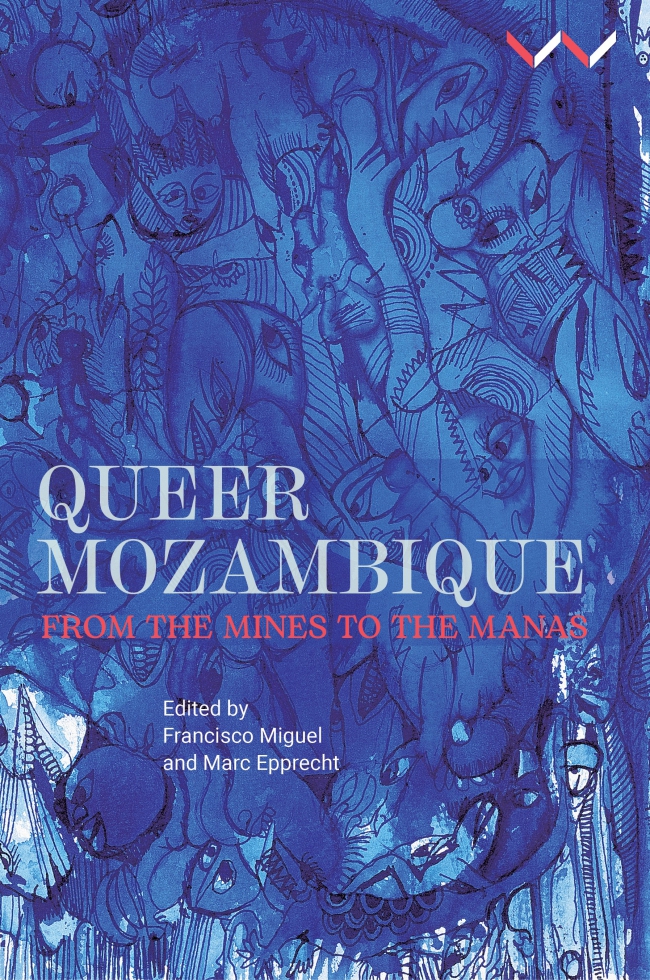
Edited by Francisco Miguel and Marc Epprecht
Queer Mozambique offers a wide-ranging exploration of Mozambique’s distinctive cultures of sexual and gender dissent and fluidity. It traces these histories from the mine compounds of the late nineteenth century to the current LGBTIQ+ movement. It also examines the formation of new sexual and gender identities, including those of the manas trans women.
Queer Mozambique combines photography, storytelling and lively discussion among its contributors. Together, these elements illuminate the cultural and historical specificities of a uniquely Mozambican experience of gender and sexual dissidence.
Expanding queer scholarship from the Global South
As the first book in English to focus on queer issues in a Portuguese-speaking African country, Queer Mozambique occupies a groundbreaking position within queer scholarship. It not only assembles and interprets empirical evidence for Anglophone readers, but also introduces new debates and theories from the Global South to the field of queer studies.
In doing so, Queer Mozambique seeks to foster a truly global dialogue. The volume brings together acclaimed international scholars and Mozambican authors. Their contributions broaden understandings of sexuality and gender beyond dominant Western frameworks. They also highlight the importance of local histories, lived experiences and culturally specific identities.
About the editors
Francisco P. V. Miguel holds a PhD in Social Anthropology from the University of Brasília. He is a FAPESP postdoctoral fellow. He is based jointly at the State University of Campinas (Unicamp), Brazil, and the Department of Global Development Studies at Queen’s University, Canada.
Marc Epprecht is a Professor in the Department of Global Development Studies at Queen’s University. In addition, he serves as a visiting research professor at the History Workshop at the University of the Witwatersrand, Johannesburg.