




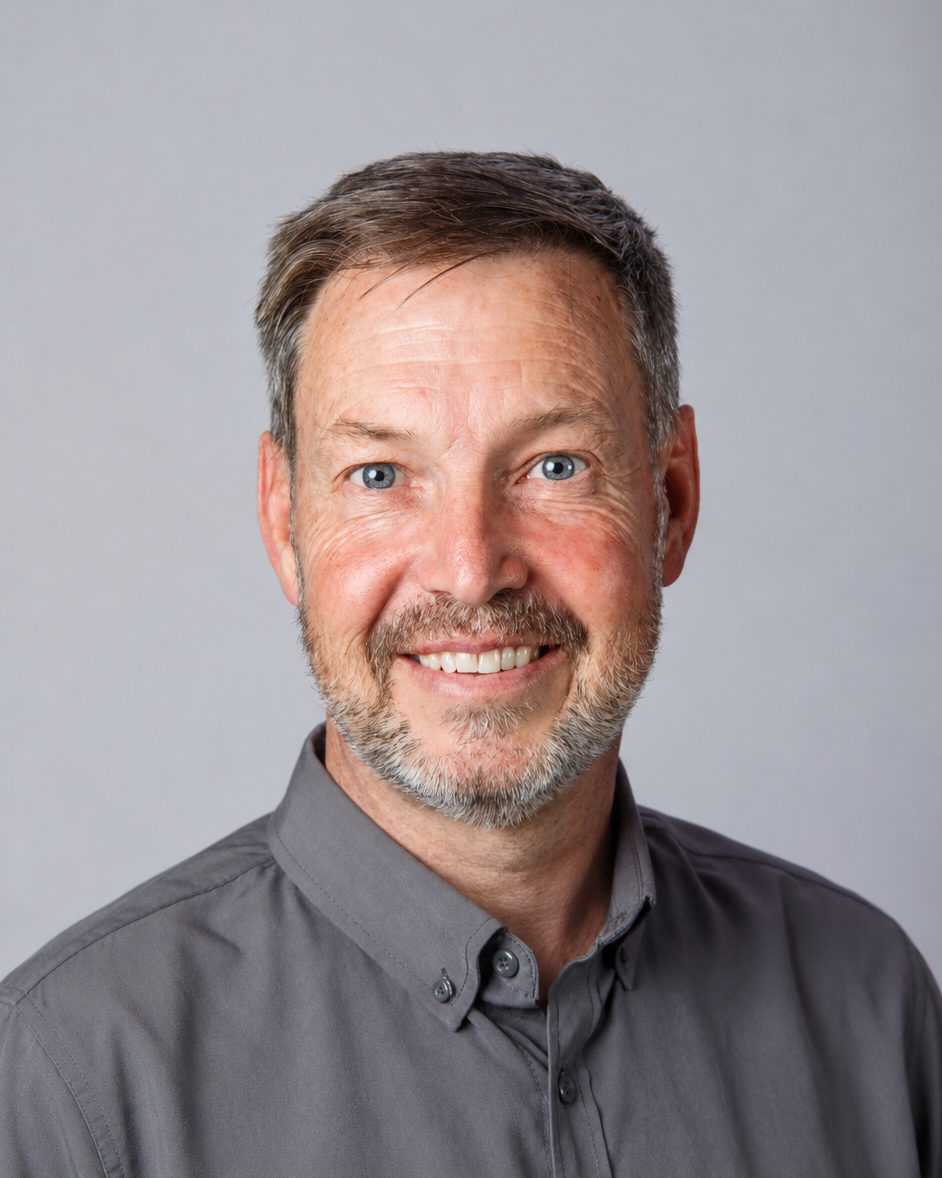
Andrew Wolmarans | Financial Adviser | Consult by Momentum | mail me |
A sudden medical emergency nearly cost my life. However, thanks to prudent financial planning, hospital bills became the least of my worries.
I used to think I had time and health on my side. I trained hard, stayed active and monitored my health closely. By most measures, I was doing what people are supposed to do. Then, one evening in November 2022, after a completely ordinary day, my body gave way without warning. I became violently ill, and my brother rushed me to the emergency room. Within days, my organs started failing.
An escalation into septic shock
What followed became the scariest period of our lives. At first, doctors could not fully identify the problem. Eventually, they discovered a rare form of pancreatitis. Gallstones had blocked my biliary system. By then, my condition had escalated into septic shock.
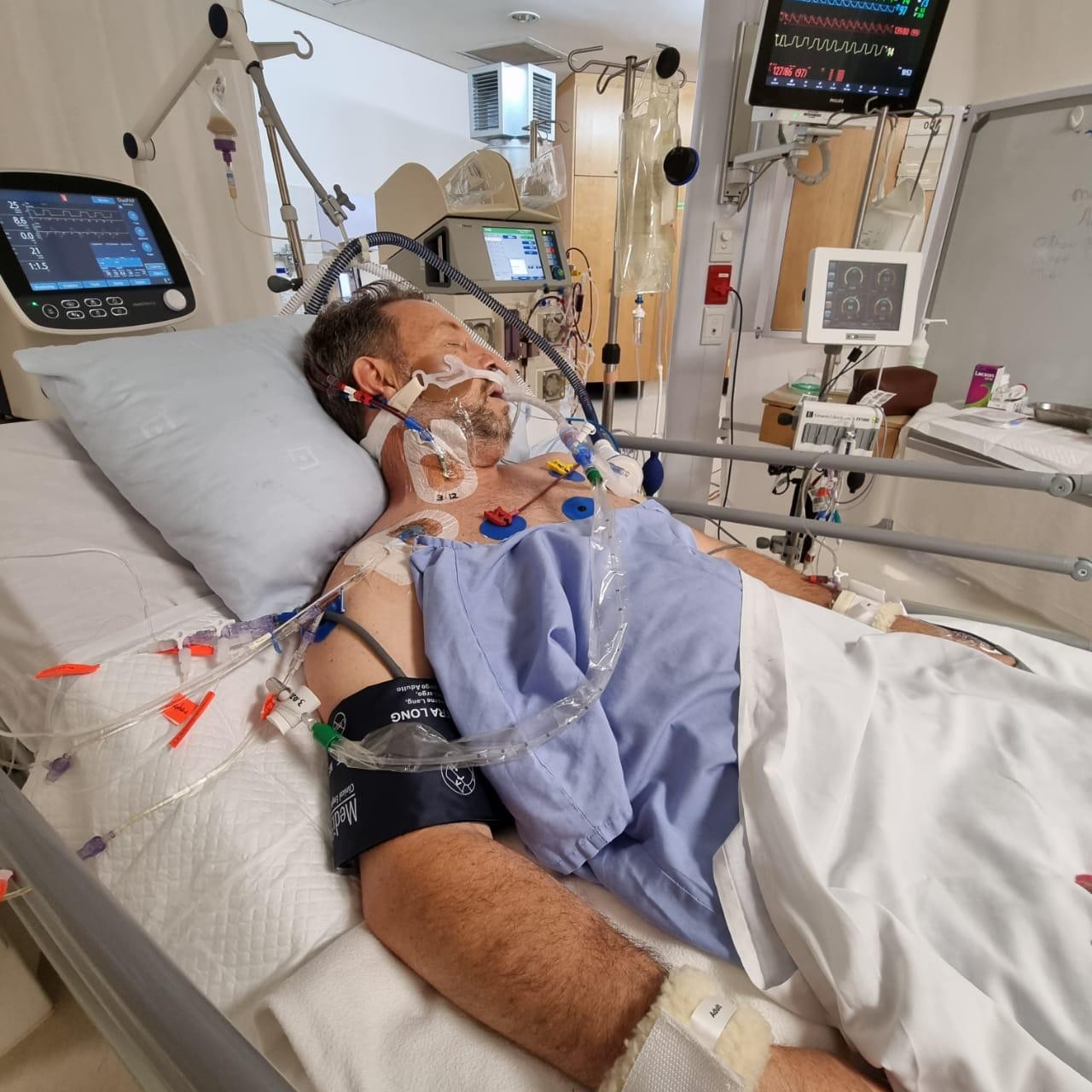
Doctors placed me in a medically induced coma. Initially, my family received a 50/50 survival estimate. Later, that number dropped to just 5% after my organs failed.
My sister, nieces, and nephew flew to Joburg from around the world. They prepared for the worst. Meanwhile, my wife had to approve a dangerous but life-saving operation on my behalf.
The surgeon removed my rotten gallbladder through my belly button. Doctors rarely use this keyhole approach in cases like mine because they usually choose open surgery instead. The operation should have lasted two and a half hours. Instead, it took six hours. Nevertheless, it saved my life.
The hospital bill
I initially believed I would return home before Christmas. Instead, I spent 62 days in the hospital, including 58 days in the Intensive Care Unit (ICU).
After surviving the first shock of my illness, my family and I faced another one. The hospital bill for the initial phase of my treatment totalled R1.8 million.
Fortunately, luck finally turned in our favour. Just six weeks before my unexpected hospital admission, I had updated my financial plan. Because of that decision, we did not need to worry about money while I recovered. Updating financial cover made an enormous difference during the most difficult period of my life.
The quick decision that made all the difference
Six weeks before I landed in the hospital, I found myself with a gap in my diary after several last-minute cancellations. Instead of wasting time, I decided to review my financial cover because I had not checked it properly in a while.
So, I approached my own planning exactly as I would for a client. I increased my income protection to match my higher earnings. I also added personal disability benefits, increased my critical illness cover, and topped up my life cover.
That ordinary afternoon review became one of the most important financial decisions I have ever made. I remained out of work for 54 weeks, in addition to the 62 days I spent in hospital.
During recovery, I had to relearn how to walk and write. I also spent months attending physiotherapy, occupational therapy and follow-up surgeries.
My income protection kept the lights on throughout those 13 months. Had I not reviewed and updated my cover when I did, I would have faced recovery from a catastrophic illness without any income. Updating financial cover protected my family from financial collapse while I focused on healing.
You can’t plan for illness – but you can plan for what it would cost
The hospital bill represented only one part of the financial burden. After doctors discharged me, I underwent another nine operations, bringing my total number of surgeries to 11.
I also needed physiotherapy at home three times each week. In addition, I required occupational therapy and Post-Traumatic Stress Disorder (PTSD) counselling after everything I experienced in the ICU.
During my time there, I witnessed two nearby patients die while medical teams fought to save them. In that year alone, I spent approximately R280,000 on rehabilitation. Eventually, the costs exceeded my medical aid coverage. Thankfully, my critical illness cover paid out more than R800,000, which immediately went toward settling the bills.
At the same time, my office team continued supporting our clients. All of this became possible because I had the right financial cover in place. Updating financial cover before my illness ensured I had access to the support my recovery demanded.
When this happened, I was 50 years old and in peak physical condition. I had completed close to 170 cycling races longer than 100 kilometres. I had also competed in triathlons and endurance events.
I trained consistently and took my health seriously. Like many people, I believed that doing the right things would protect me from disaster.
But life does not work that way. Nobody can predict a rare medical emergency. You cannot train your way out of septic shock. However, you can build a strong financial foundation that helps you survive major storms without financial panic.
Having the right plan in place
Many people avoid planning for worst-case scenarios because they do not want to imagine the unthinkable happening. That reaction is natural. Most of us would rather plan for dreams than nightmares.
For me, proper financial planning meant that my family and I could focus on my recovery instead of the mounting costs. When everything else feels uncertain, that kind of security becomes priceless.
My advice to you?
- Don’t assume disaster cannot happen to you. You can stay fit, healthy, and responsible and still face the unexpected. While you cannot predict illness or accidents, you can prepare for the financial consequences.
- Get a proper financial plan in place with the guidance of a qualified and experienced financial adviser. Don’t rely on a product or a quick fix. Instead, build a holistic plan that considers your full financial position.
- Start with your financial foundation. Before focusing on investments or wealth-building, protect your ability to earn an income. After all, you are your greatest asset.
- Review your cover regularly. This step ultimately saved my family financially. Life changes, and income changes too. Therefore, your cover must keep pace with those changes.
At the end of the day, nobody wakes up expecting life to change overnight. Most people believe the worst will never happen to them until it does. For me, updating financial cover and having the right financial plan in place meant that when everything else collapsed, our financial security remained intact.