




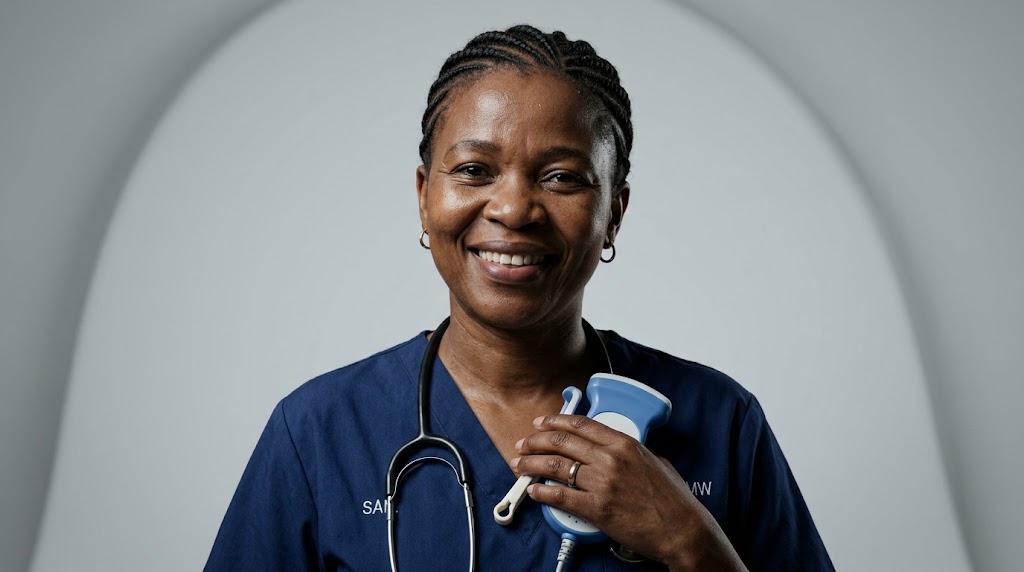
Midwife salaries in South Africa are usually stronger than many general nursing roles because midwifery requires specific training and South African Nursing Council registration. Current market data suggests an average salary of about R290,084 to R293,453 a year, while public-sector nursing posts that require registration as a Professional Nurse and Midwife currently advertise around R549,192 a year, with some specialty nursing management roles reaching about R693,096 a year. (Payscale)
In South Africa, many midwifery roles are structured within the broader professional nursing system, so salary comparisons can be tricky. Some roles are advertised simply as midwife, while others sit under titles like professional nurse, nurse midwife, maternity nurse, or operational manager nursing, provided the post requires registration as a Professional Nurse and Midwife/Accoucheur with SANC. (Payscale)
Key takeaways
- Current private-market salary benchmarks for midwives sit around R290,000 to R293,000 a year on average. (Payscale)
- PayScale’s reported base salary range for midwives is about R247,000 to R393,000 a year. (Payscale)
- Public-sector posts requiring Professional Nurse and Midwife registration are currently advertising around R549,192 a year. (DPSA)
- Higher-level nursing management posts that still require midwife registration can reach about R693,096 a year. (DPSA)
- SANC registration is a key factor in access to formal midwifery roles. (sanc.co.za)
What is the average midwife salary?
PayScale currently shows an average midwife salary in South Africa of about R290,084 a year, with a typical base pay range from roughly R247,000 to R393,000. Its nurse midwife dataset is very similar, putting the average at about R293,453 a year. (Payscale)
These figures are useful, but they do not tell the whole story. In the public sector, posts that explicitly require registration as a Professional Nurse and Midwife/Accoucheur are currently being advertised at R549,192 a year, which is much higher than the average shown in some private-market salary datasets. (DPSA)
A sensible working view is that many standard employed midwife roles fall in the high R200,000s to low R400,000s, while structured public-sector posts and more senior roles can move into the mid-R500,000s and above. (Payscale)
Midwife salary ranges in South Africa
Entry level
Early-career midwives are often closer to the lower end of the private-market range. PayScale’s reported lower end begins at about R247,000 a year, while certified nurse midwife data shows early-career compensation around R270,500. (Payscale)
Mid-career
A practical mid-career benchmark is around R280,000 to R390,000 a year based on PayScale’s midwife and nurse midwife salary ranges. Professionals with more delivery-room experience, stronger maternity ward exposure, and hospital-based experience may sit toward the upper end of that band. (Payscale)
Public-sector and formal nursing scale
Public-sector roles requiring Professional Nurse and Midwife registration currently show stronger packages. Recent Western Cape public-service posts list salaries of R549,192 a year for roles requiring SANC registration as a Professional Nurse and Midwife/Accoucheur. (DPSA)
Senior and management roles
Higher-level nursing posts that still require midwife registration can pay more. A recent Western Cape Operational Manager Nursing specialty post requiring registration as Professional Nurse with Psychiatry and Midwife advertised R693,096 a year. While that is not a standard frontline midwife post, it shows how salary can rise with seniority and added responsibility. (DPSA)
What affects midwife salary?
SANC registration
Midwifery is tied closely to formal registration pathways. SANC provides the application route for registration as a midwife, and many public-sector posts explicitly require registration as a Professional Nurse and Midwife/Accoucheur. That requirement has a direct effect on employability and pay. (sanc.co.za)
Qualification pathway
South Africa’s qualification framework includes routes such as the bachelor’s degree in nursing and midwifery and the advanced diploma in midwifery. These pathways matter because employers and public-sector departments usually pay more for formally qualified and registered professionals. (sanc.co.za)
Employer type
Private clinics, maternity units, NGOs, and public hospitals do not all pay the same way. Public-sector salaries are often more transparent and structured, while private-sector salaries vary more by location, facility, and shift demands. That comparison is an inference, but it is supported by the large gap between private-market salary surveys and current public-sector vacancy packages. (Payscale)
Seniority and added responsibility
A midwife working as a ward lead, programme coordinator, or operational manager will usually earn more than someone in a standard clinical role. Recent public-sector adverts support that pattern, with operational management roles paying above the standard professional nurse level. (DPSA)
Specialist midwifery expertise
SANC also recognises the concept of a midwife specialist, defined as a registered Professional Nurse and Midwife with advanced expertise and an additional qualification in midwifery. That kind of advanced scope can support stronger long-term earnings, especially in specialist or senior posts. (sanc.co.za)
How to increase your earning potential
Complete the full registration pathway
The most important step is to qualify through an approved route and register properly with SANC as a midwife or as a Professional Nurse and Midwife. Without that, access to many formal roles is limited. (sanc.co.za)
Build maternity and delivery-room experience
Hands-on experience in labour, delivery, antenatal, and postnatal care improves your value in the market. This is not stated as a salary rule in one source, but it is consistent with how midwifery roles and competencies are defined by SANC and with how employers structure maternity-related posts. (sanc.co.za)
Move into senior clinical or management roles
If you progress into programme coordination, operational management, or specialist midwifery roles, your salary ceiling can rise meaningfully. Current public-sector adverts show this clearly. (DPSA)
What employers should know
If you are hiring for a midwifery-related role, it helps to be precise about the registration required. A general nursing post is not the same as a role that specifically requires registration as a Professional Nurse and Midwife/Accoucheur, and salary expectations should reflect that difference. (DPSA)
Public-sector remuneration can also be a useful benchmark for private employers. It gives a more transparent sense of what the market pays for formally qualified, registered nursing professionals with midwifery scope. (DPSA)
What employees should know
When comparing midwife salaries, check whether the role is a true midwifery post, a broader nursing post, or a senior nursing management role that includes midwife registration as a requirement. These categories can look similar online but pay very differently. (Payscale)
It is also worth checking whether a package is basic salary only or a full annual remuneration package. Public-sector adverts usually quote the annual package figure clearly. (DPSA)
FAQ: midwife salary
How much does a midwife earn in South Africa?
Current private-market data places the average at about R290,084 to R293,453 a year. Public-sector roles requiring Professional Nurse and Midwife registration are currently advertising around R549,192 a year. (Payscale)
Is midwifery a good career in South Africa?
It can be a solid and meaningful healthcare career, especially if you enjoy maternal and neonatal care. Financially, earnings are generally stronger once you hold full SANC registration and build experience in hospital or specialist settings. (sanc.co.za)
Do you need SANC registration to work as a midwife?
Yes. SANC provides the application process for registration as a midwife, and many formal jobs explicitly require registration as a Professional Nurse and Midwife/Accoucheur. (sanc.co.za)
What qualification do you need to become a midwife?
Common formal routes include a bachelor’s degree in nursing and midwifery or other SANC-recognised pathways, plus registration with SANC. There is also an advanced diploma framework in midwifery for more advanced practice development. (sanc.co.za)
Can a midwife earn more in senior roles?
Yes. Senior nursing management and specialist posts that require midwife registration can pay significantly more than standard midwife averages, with recent public-sector examples reaching about R693,096 a year. (DPSA)
Sources
- PayScale South Africa midwife salary data: https://www.payscale.com/research/ZA/Job%3DMidwife/Salary
- PayScale South Africa nurse midwife salary data: https://www.payscale.com/research/ZA/Job%3DNurse_Midwife/Salary
- PayScale certified nurse midwife salary data: https://www.payscale.com/research/ZA/Job%3DCertified_Nurse_Midwife/Salary
- Western Cape Department of Health and Wellness vacancy circular requiring Professional Nurse and Midwife registration: https://www.dpsa.gov.za/dpsa2g/documents/vacancies/2026/09/aa.pdf
- Western Cape Department of Health and Wellness vacancy circular: https://www.dpsa.gov.za/dpsa2g/documents/vacancies/2026/11/x.pdf
- SANC education and training information: https://www.sanc.co.za/education-and-training/
- SANC application for registration as a Midwife: https://www.sanc.co.za/wp-content/uploads/2020/08/Annex-C-Application-for-registration-as-a-Midwife.pdf
- SANC bachelor’s degree in nursing and midwifery framework: https://www.sanc.co.za/wp-content/uploads/2020/08/bachelors-degree-in-nursing-and-midwifery-2014-07-23.pdf
- SANC advanced diploma in midwifery framework: https://www.sanc.co.za/wp-content/uploads/2020/08/Qual-Framework-Advanced-Diploma-in-Midwifery.pdf
- SANC competencies for Midwife Specialist: https://www.sanc.co.za/wp-content/uploads/2020/06/SANC-Competencies-Midwife-Specialist.pdf