





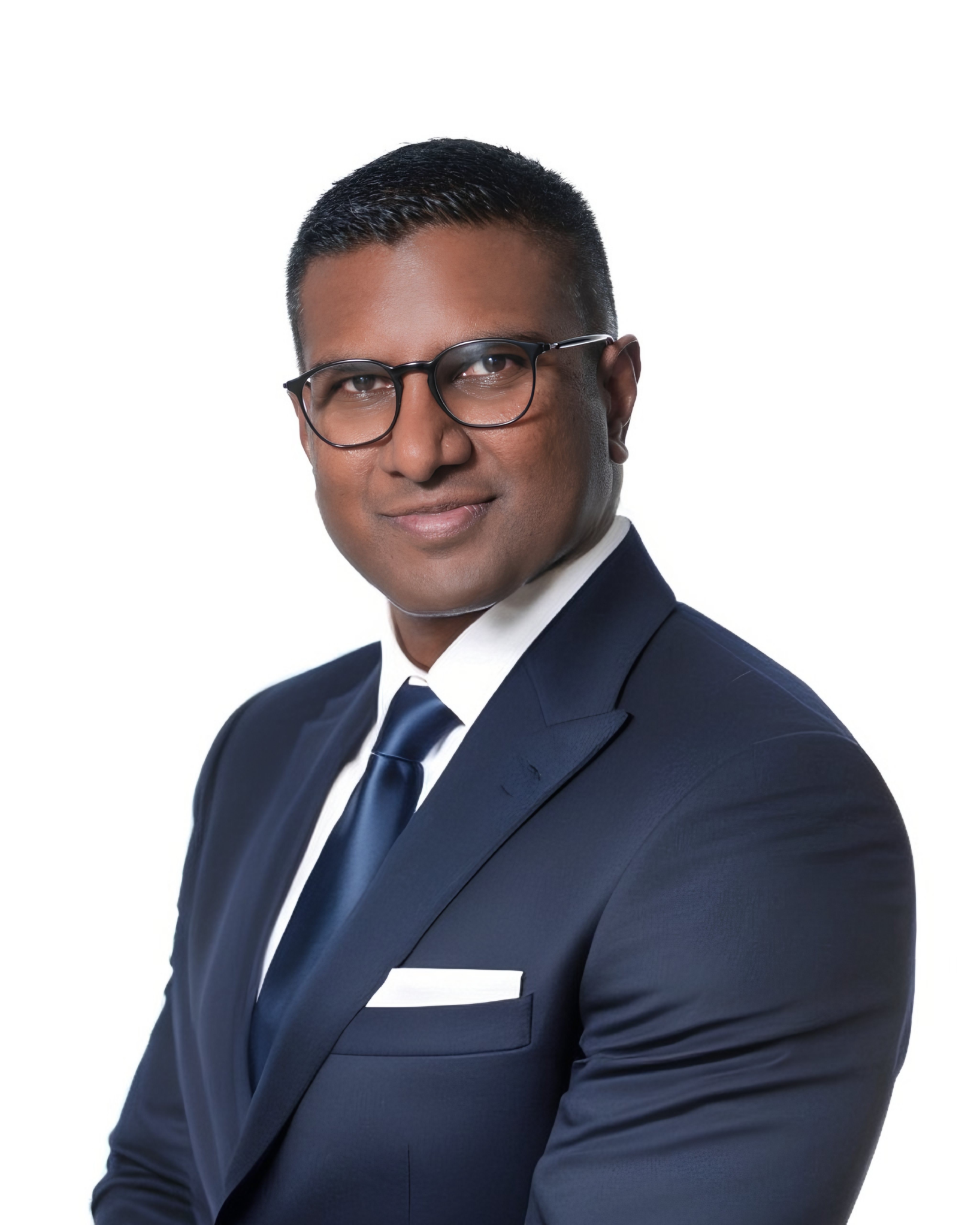
Cowhan Govender | Group Head | Personal and Private Banking | Standard Bank | mail me |
For years, a familiar narrative has shaped our understanding of South African consumers. It suggests they are over-indebted, under-saving and prone to conspicuous consumption.
Statistics often reinforce this view. These include low household savings rates, rising unsecured lending and high levels of personal debt. On the surface, the conclusion seems obvious. However, it remains incomplete.
To truly understand financial behaviour in South Africa, we must move beyond spreadsheets. We must engage with lived realities in rural villages, townships, and informal settlements. In these spaces, a different story emerges. It is not a story of reckless consumption. Instead, it reflects aspiration, resilience and, in many cases, investment under constraint. This perspective is central to rethinking consumption in the local context.
Drive through parts of the Eastern Cape or into KwaZulu-Natal. You will encounter a striking contradiction to the “dissaving” narrative. Large, modern brick-and-mortar homes rise from modest surroundings. These homes are not anomalies. They increasingly represent symbols of progress.
Importantly, people build these homes without inherited wealth or traditional mortgage finance. Instead, they often rely on years of incremental investment. Many fund this investment through unsecured credit. Therefore, rethinking consumption becomes essential when interpreting these patterns. This leads to an uncomfortable but necessary question. Why do we label this behaviour as consumption?
Is it always conspicuous consumption?
If a homeowner finances the same property through a traditional mortgage, we classify it as an asset. We recognise it as an investment in long-term wealth and stability. However, when someone achieves the same outcome through personal loans or credit cards, perceptions shift. Observers often dismiss it as financial imprudence.
This distinction goes beyond semantics. It reveals a structural bias in how we define “good” financial behaviour. Current frameworks privilege access to formal, secured credit. At the same time, they penalise individuals who must navigate the system differently. For millions of South Africans, secured lending remains inaccessible. Many people earn irregular income, often in cash. Others lack formal collateral. As a result, their path to asset ownership looks very different.
Finscope estimates that South Africa has 3 million micro businesses. These businesses generate R5 trillion in turnover. They also sustain 13 million jobs. However, many participants lack formal financial records or collateralisable assets. In this context, unsecured lending serves a different purpose. It does not necessarily signal excess. Instead, it acts as a tool of necessity. More importantly, how people use this tool matters when rethinking consumption.
Yes, unsecured credit can be used to fund consumption. However, it can also enable transformation. It allows families to build homes where none existed before. It helps pay school fees that unlock future earning potential. It also enables the purchase of vehicles. These vehicles often serve as lifelines rather than status symbols. They allow individuals to access work opportunities. They help people arrive on time. They also support employment in an economy where public transport remains unreliable.
In these situations, what appears as conspicuous consumption tells a different story. It reflects a survival strategy. In some cases, it also represents a long-term investment.
The savings are invisible to the financial sector
A similar misreading applies to saving. South Africa is often labelled a nation of “dissavers.” However, this view relies heavily on formal financial data. It overlooks a strong culture of collective saving outside traditional systems.
Stokvels continue to grow and mobilise billions across communities. According to the National Stokvel Association of South Africa, more than 11 million people participate. These groups circulate over R50 billion annually. This figure excludes informal schemes among families and friends.
In many cases, members pool their contributions into a single account. As a result, only one account holder appears in the formal system. Many savers, therefore, remain invisible in official data. What appears as low individual savings actually reflects widespread collective discipline. This is not a failure to save. Instead, it represents a different saving model.
The same logic applies to spending patterns. Investments in housing, education, or small businesses often go unrecognised in conventional metrics. A household may show little liquid savings. However, it may actively build a home or fund education. In doing so, it invests in physical and human capital. These investments generate long-term value.
This leads to a critical insight. Not all saving is visible. Similarly, not all consumption is wasteful. In fact, many South Africans who appear over-leveraged may carry smaller total debt burdens. This becomes clearer when compared to those with access to secured finance.
The key difference lies in structure. Their borrowing tends to be shorter-term and unsecured. This makes it riskier. However, it does not make it less purposeful.
Rethinking the framework
Perhaps the real issue does not lie in a failure to save or invest. Instead, the issue lies in outdated frameworks. These frameworks fail to reflect the diversity of South Africa’s economy.
We continue to measure financial health through a narrow lens. This lens overlooks informality, access constraints and cultural practices. Consequently, we risk misdiagnosing the problem. We may also misdirect solutions.
To improve financial inclusion and economic resilience, we must acknowledge this complexity. Financial progress does not follow a linear path for many South Africans. It does not begin with savings accounts and end with asset accumulation.
For the financial sector, this requires a fundamental shift. Institutions must rethink what constitutes saving. They must also reassess how they evaluate credit beyond traditional models. In addition, they must design solutions that bridge unsecured lending and long-term asset building. Furthermore, they should engage more deeply with informal saving systems.
These systems can act as partners in expanding access and building trust. This perspective informs a broader commitment to driving Africa’s growth. This growth is not uniform. Instead, it reflects diverse realities. Challenging the notion of conspicuous consumption does not ignore the risks of debt. Rather, it recognises the intent, context and outcomes behind financial decisions. Ultimately, the issue is not whether South Africans save or spend enough. Instead, it is whether we understand their realities. It is whether we truly see them.