



Nishaat Slamdien | Associate | Spoor & Fisher | mail me |

with oversight by John Foster | Partner | Spoor & Fisher | mail me |
What do vodka and pepper sauce have in common? Surprisingly, their packaging. In January 2026, the McIlhenny Company filed a lawsuit in a Texas federal court. It targeted Stoli Group (USA) LLC. The claim alleges that Stoli’s new “Halapeño Pepper” vodka infringes on TABASCO® pepper sauce trade dress. This marks the start of a spicy trade dress dispute.
To make matters hotter, McIlhenny alleges that it previously explored a potential collaboration with Stoli. The companies considered a co-branded vodka. However, the idea never made it to the bottle. Despite this, McIlhenny claims Stoli proceeded to develop its own pepper-flavoured vodka, intensifying a spicy trade dress dispute.
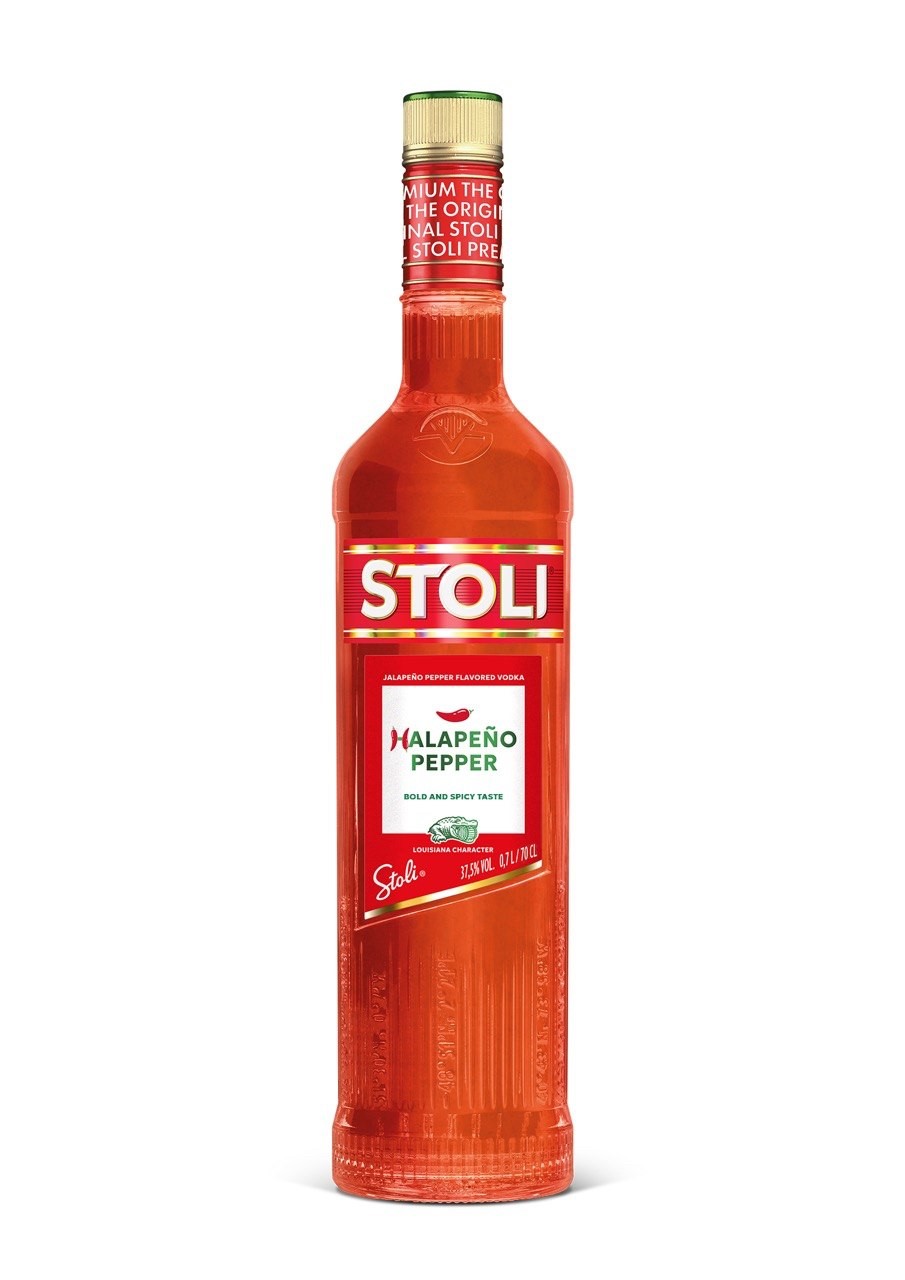
McIlhenny argues that Stoli’s vodka bottle resembles the iconic TABASCO® bottle. It points to the shape, colour scheme, green neck label, and red cap. It also highlights the broken concentric circle design and green and red sans-serif font. According to McIlhenny, these similarities could lead consumers to believe the vodka is authorised or licensed by TABASCO®.
Spicing up the law – trade dress protection in the US and SA
Unlike trade marks, which protect words, names and logos, trade dress protects visual appearance. It covers the overall look and get-up of a product, including its label and packaging.
In the United States (US), the Lanham Act permits trade dress registration. However, the trade dress must be distinctive and non-functional. To succeed in an infringement claim, a plaintiff must prove two elements. First, the trade dress must qualify for protection. Second, the defendant’s use must likely cause consumer confusion about origin, sponsorship, or affiliation.
In this matter, McIlhenny alleges that its TABASCO® bottle meets these requirements. The company has kept the design largely unchanged since the 1920s. It has marketed the product extensively for decades. It also holds multiple trade mark registrations. As a result, consumers instantly recognise the product.
Assessing confusion and consumer perception
McIlhenny, therefore, argues that the similarities in Stoli’s packaging could mislead an ordinary consumer. Specifically, consumers may assume a commercial connection with TABASCO®. This forms a central issue in a spicy trade dress dispute.
South African law provides similar protections, although it uses a different framework. Businesses can register distinctive packaging and labels as trade marks. Even without registration, the law protects trade dress from unlawful competition. This protection prevents passing-off.
To succeed in a passing-off claim, a plaintiff must prove three elements. First, it must establish goodwill in its goods or services. Second, it must show that the defendant made a misrepresentation. This misrepresentation must likely deceive or confuse consumers. Third, it must demonstrate actual or likely damage.
South African case law on trade dress
South African courts consistently recognise that a distinctive get-up can establish protectable goodwill. They also protect that goodwill against passing off.
For instance, in the Swartkops Sea Salt (Pty) Ltd vs Cerbos Ltd matter, the Eastern Cape High Court assessed packaging similarities. It is considered whether Cerebos’ Buffalo braai salt misrepresented a connection with Swartkops’ Marina braai salt. The court examined goodwill, similarity, and potential consumer confusion. It also evaluated whether confusion could damage Swartkops’ goodwill.
The Court held that the correct enquiry focuses on the overall impression. It rejected a side-by-side comparison of differences.
Instead, it stated:
The ordinary everyday buyer, especially of commodities such as groceries, is a person who has a general idea in his mind’s eye of what he is looking for, who, however, does not have an accurate representation of it, who will not have the advantage of seeing two products side by side.
Applying the principles to the current dispute
Applied to this matter, the passing-off enquiry follows three steps. First, do consumers associate the get-up with TABASCO®? Second, would the similarities mislead consumers? Third, could this harm TABASCO®’s brand?
Courts would assess the overall impression created by the TABASCO® and vodka products. They would not focus on minor differences in their respective get-ups. McIlhenny owns several trade mark registrations for the TABASCO® bottle in South Africa. These registrations cover multiple goods. They include sauces, clothing, and non-alcoholic beverages.
Trade mark infringement and well-known marks
To establish trade mark infringement, McIlhenny must prove several elements. It must show use in the course of trade. It must also show use of a mark that is identical or confusingly similar. In addition, the goods must be the same as, or similar to, registered goods. Finally, the use must likely cause confusion or deception among consumers.
In addition, McIlhenny may rely on well-known mark provisions under the Trade Marks Act (194 of 1993). Where a mark is well-known, protection extends beyond registered goods or services.
To rely on this provision, McIlhenny must show a significant reputation in South Africa. It must also prove that similar packaging on unrelated goods would take unfair advantage of the mark. Alternatively, it must show that such use would harm the mark’s distinctive character or reputation. This applies even where the goods differ, such as chilli-flavoured vodka.
Heat your IP strategy – beyond the bottle
A key theme in the lawsuit is that TABASCO® trade dress extends beyond hot sauce. McIlhenny has licensed its trade dress across many product categories. These include salad dressings, snacks, apparel and cosmetics. As a result, consumers recognise the brand across diverse products. Some examples are shown below.

This strengthens the argument that consumers may assume a similarly packaged vodka is authorised. They may view it as a legitimate TABASCO® product extension. This perception adds further complexity to a spicy trade dress dispute.
From a brand protection perspective, the case offers a clear lesson. Businesses should protect trade marks and trade dress for existing products. However, they should also protect plausible line extensions and collaborations.
Lessons in every label
By anticipating future growth and collaborations, companies can act proactively. They can use intellectual property protection to prevent imitation before it occurs.
This case demonstrates that packaging is more than a marketing device. It forms a core component of a brand’s intellectual property. Across jurisdictions, the principle remains consistent. A product’s appearance functions as a valuable asset. Consequently, copying or imitating packaging can create legal risk.
As the dispute evolves, it highlights the commercial power of trade dress. It also underscores the risks that arise when competitors test brand boundaries. For businesses in crowded markets, careful packaging and trade mark strategy remains essential.
Ultimately, this ongoing matter shows why companies must plan ahead. They should treat trade dress and trade marks as part of a broader IP strategy. This strategy should include registering distinctive packaging and labels. It should also extend to realistic future product categories. Over time, this approach protects brand growth. Moreover, it reduces the risk of disputes like a spicy trade dress dispute.