





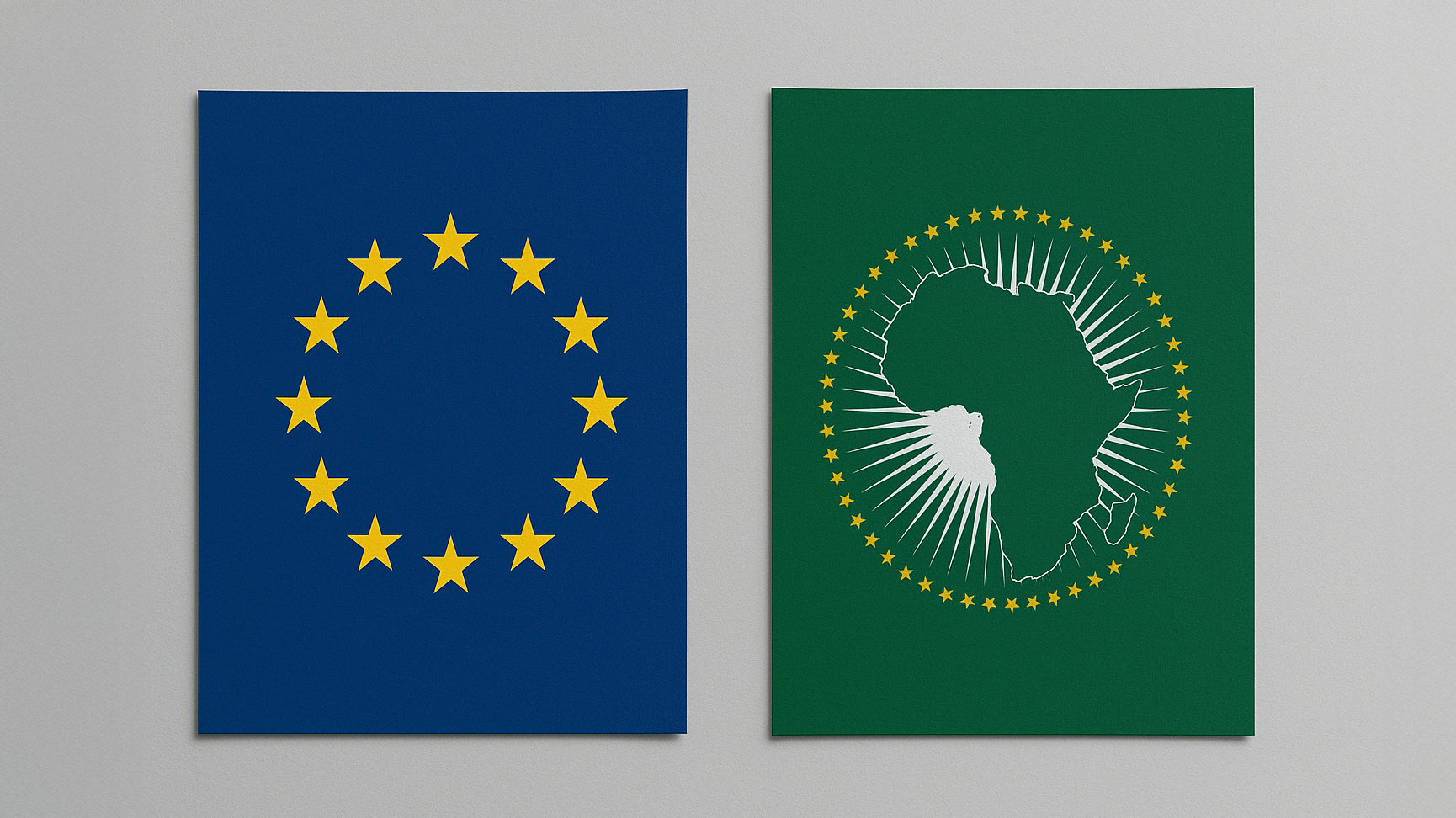
The EU-AU summit taking place in Luanda, Angola, on 24-25 November 2025 marks a pivotal moment in the relationship between Europe and Africa. Nearly 80 world leaders have gathered to commemorate 25 years of formal partnership whilst grappling with pressing challenges that could redefine how these two continents cooperate in an increasingly multipolar world.
Co-chaired by Angolan President João Lourenço, who currently holds the African Union chairmanship, and European Council President António Costa, this summit arrives at a critical juncture. The timing is significant, coinciding with Angola’s 50th independence anniversary and occurring against a backdrop of global tensions that have exposed deep fractures in AU-EU relations.
What’s driving the urgency of this summit
The theme “Promoting Peace and Prosperity through Effective Multilateralism” reflects growing concerns that previous summits have delivered more rhetoric than results. African leaders are increasingly vocal about moving beyond what many describe as “performative dialogue” towards genuine, equitable partnerships that address the continent’s development priorities.
Critical minerals have emerged as a central point of contention. Europe seeks reliable access to Africa’s vast reserves of lithium, cobalt, and rare earth elements essential for its green transition. Meanwhile, African nations are demanding that such cooperation include technology transfer, local processing capacity, and genuine industrialisation rather than simply exporting raw materials.
Key issues dominating the agenda
Economic transformation and trade
African leaders are pressing for debt relief and reform of international financial structures that they argue perpetuate dependency. The continent wants investment that builds manufacturing capacity and creates jobs, not merely extraction of resources. The EU-AU summit discussions have highlighted tensions between Europe’s Global Gateway initiative and China’s Belt and Road approach, with African nations seeking the best terms possible.
Migration and mobility
Europe faces demographic challenges with an ageing population, whilst Africa has the world’s youngest and fastest-growing demographic. The summit is addressing visa policies and labour mobility, though African delegates emphasise the need for dignified migration pathways rather than arrangements focused solely on European needs.
Security cooperation
Peace and security feature prominently, with conflicts in Sudan, the Sahel, and the Horn of Africa demanding coordinated responses. However, divisions over Russia’s war in Ukraine and the situation in Gaza have complicated efforts to present a unified front on global security matters.
Angola’s role as host nation
President Lourenço has positioned Angola as a bridge-builder, highlighting the country’s “Joint Pathway” partnership with the EU as a model for balanced cooperation. Angola’s experience negotiating between different global powers and its leadership on regional peace initiatives lend credibility to its hosting of this crucial EU-AU summit.
The country’s hosting also symbolises Africa’s evolution since the wave of independence movements, with leaders calling for relationships based on mutual respect rather than historical paternalism.
Will this summit deliver tangible outcomes?
Scepticism remains high given the history of ambitious declarations followed by limited implementation. African civil society organisations and policy experts are watching closely to see whether European commitments translate into concrete actions on debt relief, technology transfer, and fair trade terms.
The AU Commission Chair has called for cooperation on digital investments rather than “narrow-minded protectionism,” signalling Africa’s determination to shape the terms of engagement. European Commission President Ursula von der Leyen’s presence indicates Europe’s recognition that it cannot take African partnership for granted, especially as other global powers compete for influence.
Looking beyond Luanda
The real test of the EU-AU summit will come in the months and years ahead. Can this gathering move beyond the cycle of “lofty speeches and meagre delivery” that has characterised previous encounters? African leaders are demanding measurable commitments with clear timelines and accountability mechanisms.
For Europe, the stakes are equally high. Securing stable partnerships in Africa is crucial for energy security, migration management, and access to critical minerals. However, achieving these goals requires genuine listening and equitable arrangements that serve African development priorities, not merely European strategic interests.
As the summit concludes, the international community will scrutinise the final declarations and commitments. The question remains whether this EU-AU summit represents a genuine turning point or another missed opportunity in a relationship desperately needing transformation.
Sources
- DW – EU-African Union summit: Angola, critical minerals, security
- Amani Africa – Will the AU-EU Summit move from performative dialogue to meaningful listening?