





Africa’s richest man, Aliko Dangote, has committed to a transformative $1 billion investment in Zimbabwe, marking one of the largest foreign direct investments in the country’s recent history. The deal, signed with President Emmerson Mnangagwa, signals renewed international confidence in Zimbabwe’s economic trajectory and positions the Dangote Group as a key player in the nation’s industrial renaissance.
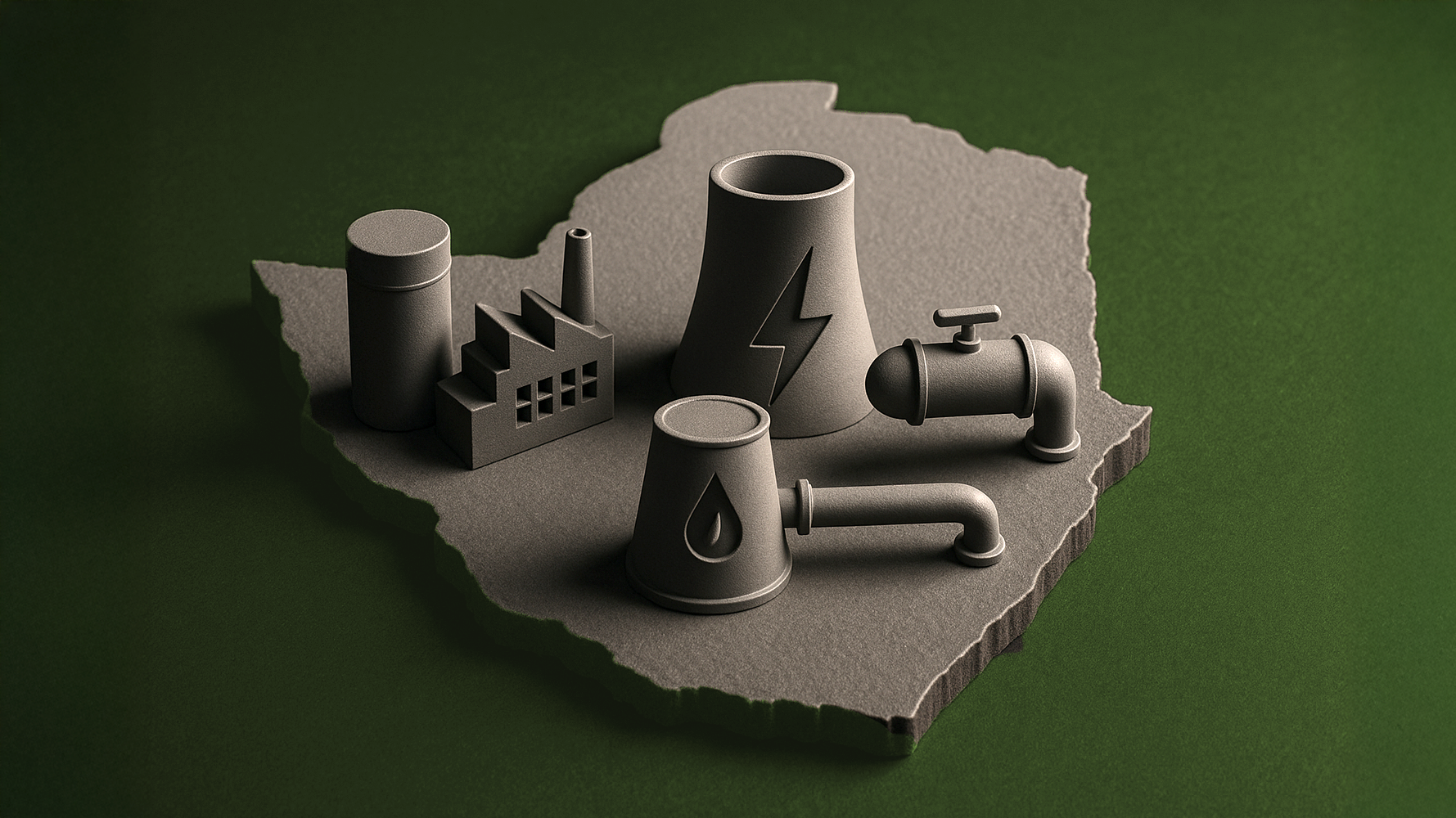
This substantial financial commitment encompasses multiple sectors, including cement manufacturing, power generation, and petroleum infrastructure. The investment represents a significant vote of confidence in Zimbabwe’s reformed business environment, particularly given Dangote’s previous hesitation to invest in the country under former leadership.
What the $1 billion investment in Zimbabwe includes
The Dangote Group’s investment package focuses on three strategic sectors that address Zimbabwe’s critical infrastructure needs. Each component has been carefully selected to complement existing operations whilst filling gaps in the country’s industrial landscape.
Cement production facility
As the continent’s leading cement manufacturer, Dangote Group plans to establish a major cement factory in Zimbabwe. This facility will leverage the company’s proven expertise across 17 African nations and help meet the country’s growing construction demands. The cement plant will create hundreds of jobs whilst reducing Zimbabwe’s reliance on imported building materials.
Power generation infrastructure
Zimbabwe has long struggled with electricity shortages that hamper economic growth and industrial productivity. The planned power plant will contribute megawatts to the national grid, supporting both residential and commercial needs. This investment addresses one of the most pressing challenges facing Zimbabwean businesses and households.
Petroleum pipeline network
Perhaps the most ambitious component involves constructing a petroleum pipeline that will connect to Dangote’s world-class oil refinery in Nigeria. This 650,000 barrels-per-day facility, the largest in Africa, will supply refined petroleum products through the new pipeline infrastructure. The pipeline will significantly reduce Zimbabwe’s fuel import costs and improve energy security.
Why Dangote changed his mind about Zimbabwe
Dangote’s commitment marks a dramatic reversal from 2015, when he visited Zimbabwe under Robert Mugabe’s presidency but subsequently abandoned investment plans. The businessman has been refreshingly candid about the factors that previously deterred him and what has changed.
During his recent visit, Dangote praised the current administration’s transparency and economic reforms. He specifically highlighted improved government stability and clearer business regulations as decisive factors. “What his excellency has actually done in terms of turning the economy around” convinced Dangote that Zimbabwe now offers a viable investment climate, according to statements made during the agreement signing.
Economic impact on Zimbabwe
The $1 billion investment in Zimbabwe by Dangote Group extends far beyond the immediate financial injection. Economists project that the three major projects will create thousands of direct jobs during construction phases and permanent employment once operational.
Local suppliers and service providers will benefit from supply chain opportunities, multiplying the economic impact throughout surrounding communities. The cement factory alone typically requires extensive local sourcing for raw materials, logistics, and support services.
Furthermore, the power plant will alleviate electricity shortages that have constrained manufacturing growth for years. Reliable power supply enables existing businesses to expand operations whilst attracting new investors who previously considered Zimbabwe too risky due to infrastructure deficits.
Strategic implications for southern Africa
Dangote’s investment positions Zimbabwe as a strategic hub within his expanding African empire. The petroleum pipeline could eventually serve neighbouring landlocked nations, transforming Zimbabwe into a regional energy distribution centre.
This connectivity aligns with broader African Continental Free Trade Area objectives, facilitating cross-border commerce and regional integration. Zimbabwe’s geographical position makes it ideally suited for such infrastructure investments that benefit multiple countries simultaneously.
Conclusion
The $1 billion investment in Zimbabwe represents more than financial commitment—it symbolises renewed faith in the country’s economic future. Dangote’s decision to invest after a decade of hesitation sends powerful signals to other potential investors watching Zimbabwe’s reform progress.
As construction commences on these transformative projects, Zimbabwe stands at a pivotal moment. Success in delivering these investments could catalyse additional foreign direct investment, creating a virtuous cycle of economic growth, job creation, and improved living standards for ordinary Zimbabweans.
Sources
- Africa Business Insider – Dangote extends continental dominance
- Inside Politic – Nigeria’s Dangote plans investments in Zimbabwe