





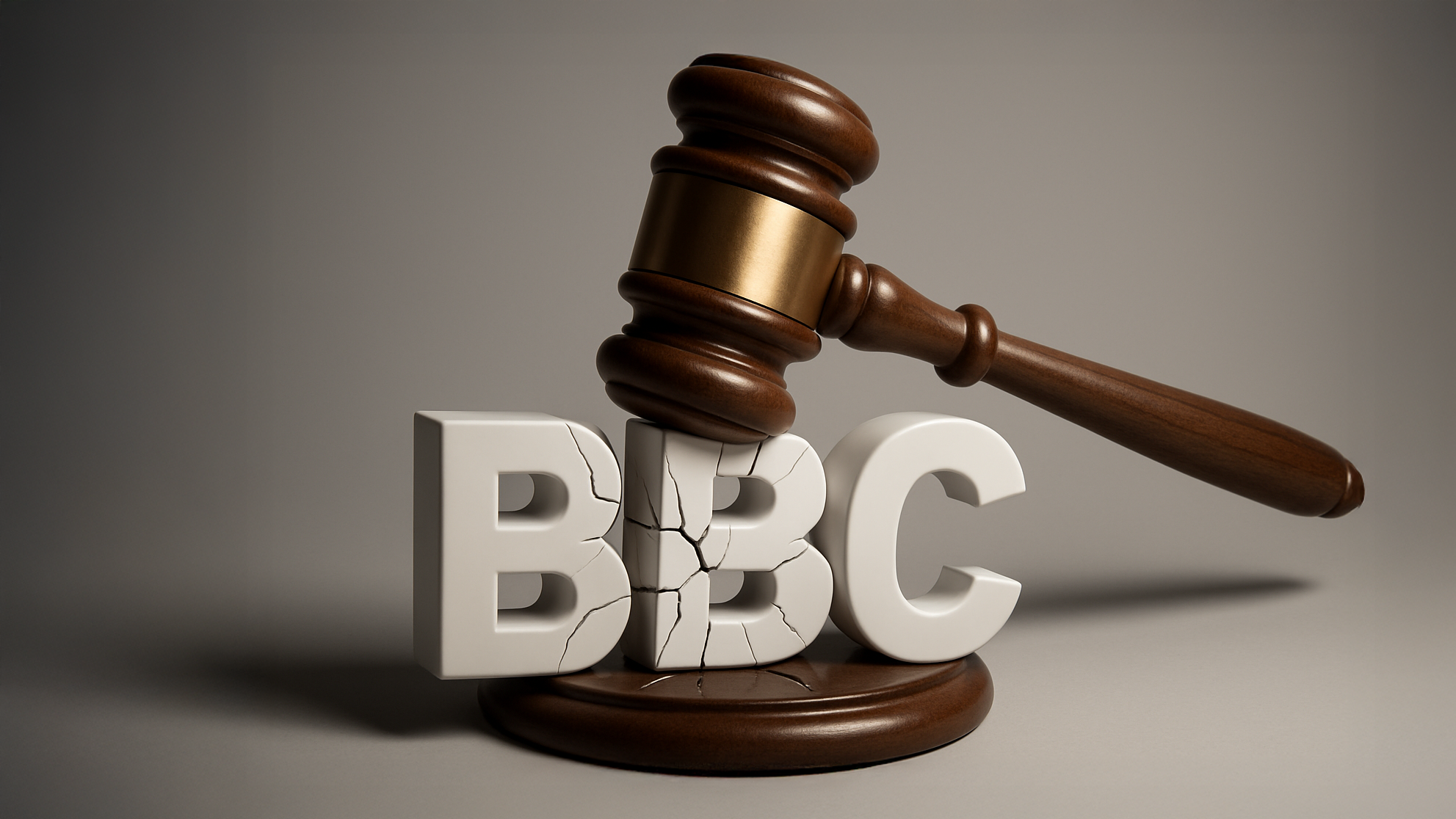
The BBC finds itself navigating one of its most turbulent periods in recent memory, with mounting pressure from multiple fronts threatening the broadcaster’s reputation and stability. The crisis has intensified following a controversial editorial decision that sparked international condemnation and triggered a massive legal threat from former US President Donald Trump.
What began as an editing error in a flagship documentary programme has snowballed into a full-blown institutional crisis, forcing senior executives to resign and raising fundamental questions about journalistic standards at Britain’s most prominent public broadcaster.
The documentary controversy at the heart of the crisis
The BBC under pressure situation stems from a Panorama documentary that edited footage of a speech Trump delivered before the January 6, 2021 Capitol attack. The programme’s editing choices removed crucial context from Trump’s remarks, leading to accusations of bias and misrepresentation.
BBC Chairman Samir Shah publicly apologised for what he termed an “error of judgement” over the editing. However, this admission did little to stem the tide of criticism or prevent the escalation that followed.
Trump’s billion-pound legal threat
Trump’s legal team, led by counsel Alejandro Brito, submitted a formal letter to the BBC demanding a full retraction of what they described as “false, defamatory, disparaging, and inflammatory statements”. The letter warned that failure to comply would result in legal action seeking at least $1 billion in damages.
The BBC was given a Friday deadline to respond to these demands. Trump’s lawyers stated the broadcaster was “on notice” and must correct the alleged mistakes and pay compensation, or face litigation in court.
Is the lawsuit threat credible?
Legal experts have offered differing views on whether Trump’s lawsuit represents a genuine threat or strategic posturing. London lawyer David Allen Green dismissed the litigation letter for failing to specify actual harm Trump suffered from the edited broadcast.
Green suggested Trump might be employing lawsuits as a negotiating tactic to leverage a financial settlement. He noted that whilst Trump deserved an apology for substandard journalistic practices, the edit likely caused minimal real damage since Trump subsequently won the presidency.
Senior leadership resignations shake the corporation
The controversy has claimed two high-profile casualties within the BBC’s leadership structure. Chief Executive of BBC News Deborah Turness and Director-General Tim Davie both resigned in the wake of the scandal.
Before her departure, Turness insisted that “BBC News is not institutionally biased” whilst acknowledging that “the buck stops with me”. Her resignation, alongside Davie’s exit, signals the severity of the crisis facing the organisation.
Broader implications for the BBC’s future
The BBC under pressure faces challenges beyond this single controversy. Critics continue to accuse the broadcaster of systemic bias across various issues, including coverage of Israel, right-wing politics, and international affairs.
The financial implications could prove devastating if Trump’s legal action succeeds. The BBC is primarily funded through licence fees charged to UK television owners, and a billion-dollar judgement could cripple the organisation’s ability to operate.
Defending editorial independence
Supporters of the BBC argue the broadcaster does invaluable work globally, particularly through BBC World Service operations across Africa and other regions. They contend that allowing Trump to label the organisation as “liar BBC” undermines confidence in one of the world’s most trusted news sources.
Legal advisers suggest the BBC should stand its ground, take the public relations benefit of having apologised, and avoid allowing Trump to relitigate January 6 events through a court case.
What happens next for the embattled broadcaster
The BBC must navigate carefully between maintaining editorial standards, addressing legitimate concerns about bias, and defending itself against what some view as politically motivated attacks. The organisation’s response to Trump’s deadline will prove crucial in determining whether this crisis escalates further.
The controversy serves as a stark reminder of the challenges facing traditional broadcasters in an era of heightened political polarisation and increased scrutiny of media practices. How the BBC under pressure responds will likely shape public service broadcasting standards for years to come.
The outcome remains uncertain, but the crisis has already forced uncomfortable conversations about editorial judgement, institutional accountability, and the proper balance between independence and responsibility in modern journalism.
Sources