





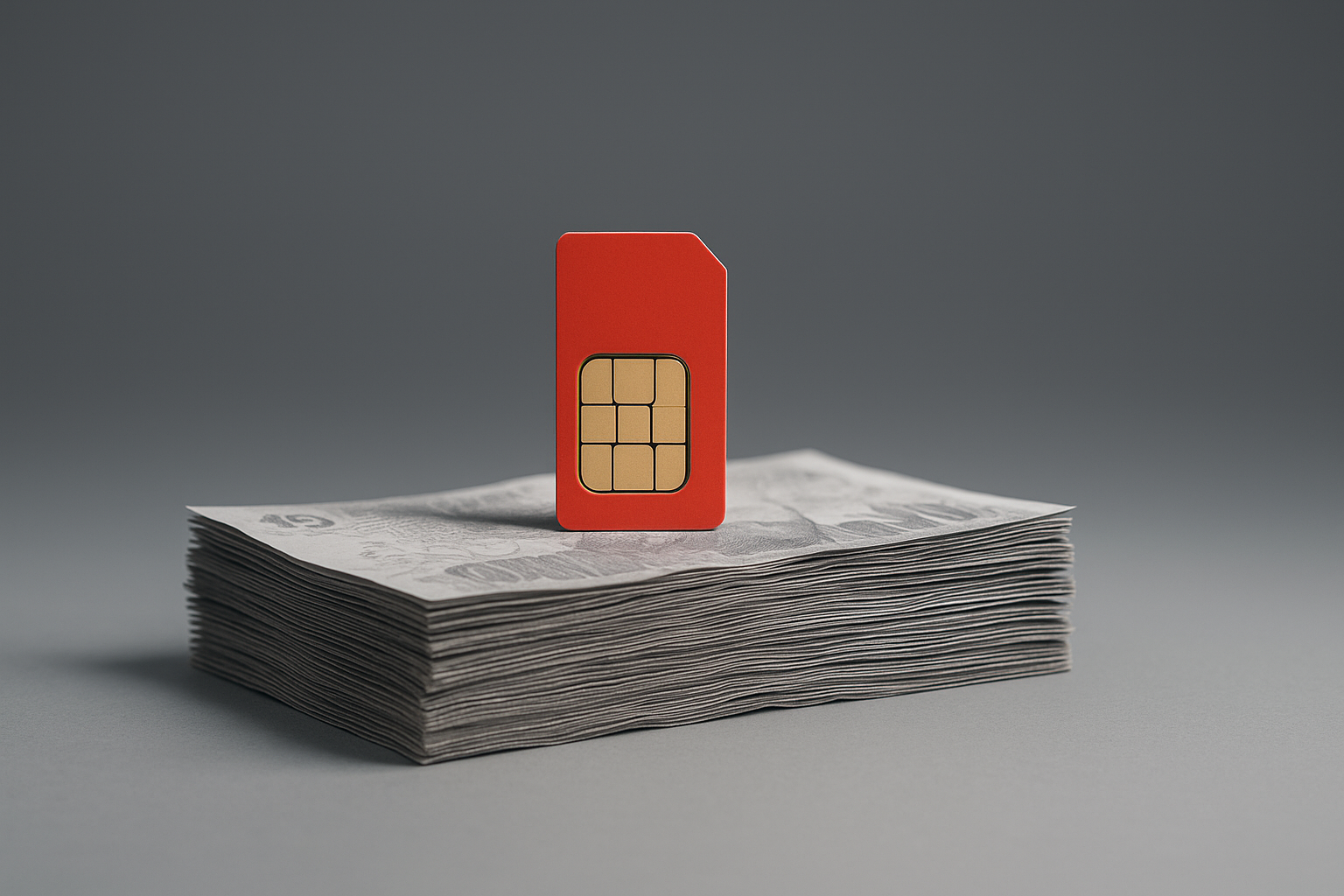
The lengthy legal dispute between Nkosana Makate and telecommunications giant Vodacom has finally reached its conclusion, with both parties agreeing to an out-of-court settlement. This resolution marks the end of a protracted battle over the “Please Call Me” service that has spanned nearly two decades and captivated public attention across South Africa.
The Nkosana Makate settlement has been officially accounted for in Vodacom’s financial statements, though the exact figure remains undisclosed. Industry analysts and financial experts suggest the payout is substantially higher than initial estimates, with figures potentially reaching R700 million rather than the previously speculated R150 million.
Background of the “Please Call Me” dispute
Nkosana Makate conceived the “Please Call Me” idea whilst working at Vodacom in 2000. The innovative service allowed users with insufficient airtime to send a free text message requesting a callback, revolutionising mobile communication in South Africa. Despite the service generating billions in revenue for Vodacom over the years, Makate received no compensation for his intellectual contribution.
The legal battle formally began in 2008 when Makate initiated court proceedings against Vodacom, seeking recognition and remuneration for his invention. The case wound through various court levels, with landmark rulings in Makate’s favour by both the Constitutional Court and the Supreme Court of Appeal.
Details of the settlement agreement
Vodacom’s Board of Directors approved the settlement agreement, which has been incorporated into the company’s interim financial results for the six-month period ending September 30, 2025. As part of the agreement, Vodacom withdrew its appeal from the Supreme Court of Appeal and formally abandoned the February 8, 2022 High Court judgment.
The telecommunications company has remained tight-lipped about the exact settlement amount, citing confidentiality clauses. However, financial analysts examining Vodacom’s balance sheets suggest the figure is closer to R700 million, representing a substantial acknowledgement of Makate’s contribution to the company’s success.
Former backers stake their claims
The Nkosana Makate settlement has attracted unexpected complications in its aftermath. Former financial backers who supported Makate throughout his lengthy legal battle are now demanding their share of the multimillion-rand payout. Black Rock Mining, one such backer, has reportedly claimed up to 40% of Makate’s settlement.
These demands emerged just one week after the settlement was finalised, creating a new legal quandary for Makate. The dispute highlights the complex financial arrangements that often underpin lengthy legal battles, where supporters provide crucial funding in exchange for a percentage of any eventual award.
Implications for Makate’s net proceeds
Should the former backers’ claims prove valid, Makate’s actual proceeds from the settlement could be significantly reduced. Legal experts suggest that funding agreements made during the litigation process are typically enforceable, potentially entitling backers to substantial portions of any settlement or judgment.
The situation underscores the financial risks and rewards associated with protracted intellectual property disputes. Whilst Makate has achieved vindication for his invention, the ultimate financial benefit may be diminished by prior commitments to those who supported his cause.
Broader implications for intellectual property rights
The resolution of this case sets a significant precedent for intellectual property rights in South Africa’s corporate environment. It sends a clear message to companies about the importance of properly compensating employees for valuable innovations and ideas developed during their employment.
The case has also highlighted systemic issues regarding how corporations recognise and reward employee creativity. Many legal commentators believe the Nkosana Makate settlement will encourage companies to implement more robust intellectual property policies and fair compensation frameworks.
Public reaction and media coverage
The settlement has generated considerable public interest, with many South Africans viewing Makate’s persistence as inspirational. Social media platforms have been flooded with messages of support, celebrating his determination to seek justice despite facing one of the country’s most powerful corporations.
Financial analysts have noted that Vodacom’s decision to settle, rather than continue fighting through additional legal channels, suggests the company recognised the strength of Makate’s position. The settlement allows both parties to move forward without further reputational or financial damage from prolonged litigation.
Conclusion
The Nkosana Makate settlement represents a watershed moment in South African corporate and intellectual property law. After nearly two decades of legal wrangling, Makate has secured recognition and compensation for his groundbreaking invention, though challenges regarding distribution of the settlement funds now emerge.
This case will undoubtedly influence how companies approach employee innovation and intellectual property rights for years to come, ensuring that creators receive proper acknowledgement and remuneration for their contributions to corporate success.
Sources
- MyBroadband – Please Call Me idea man Nkosana Makate’s former backers demand big slice of multimillion-rand settlement
- Moneyweb – Vodacom buries Makate settlement figure, seen as closer to R700m