





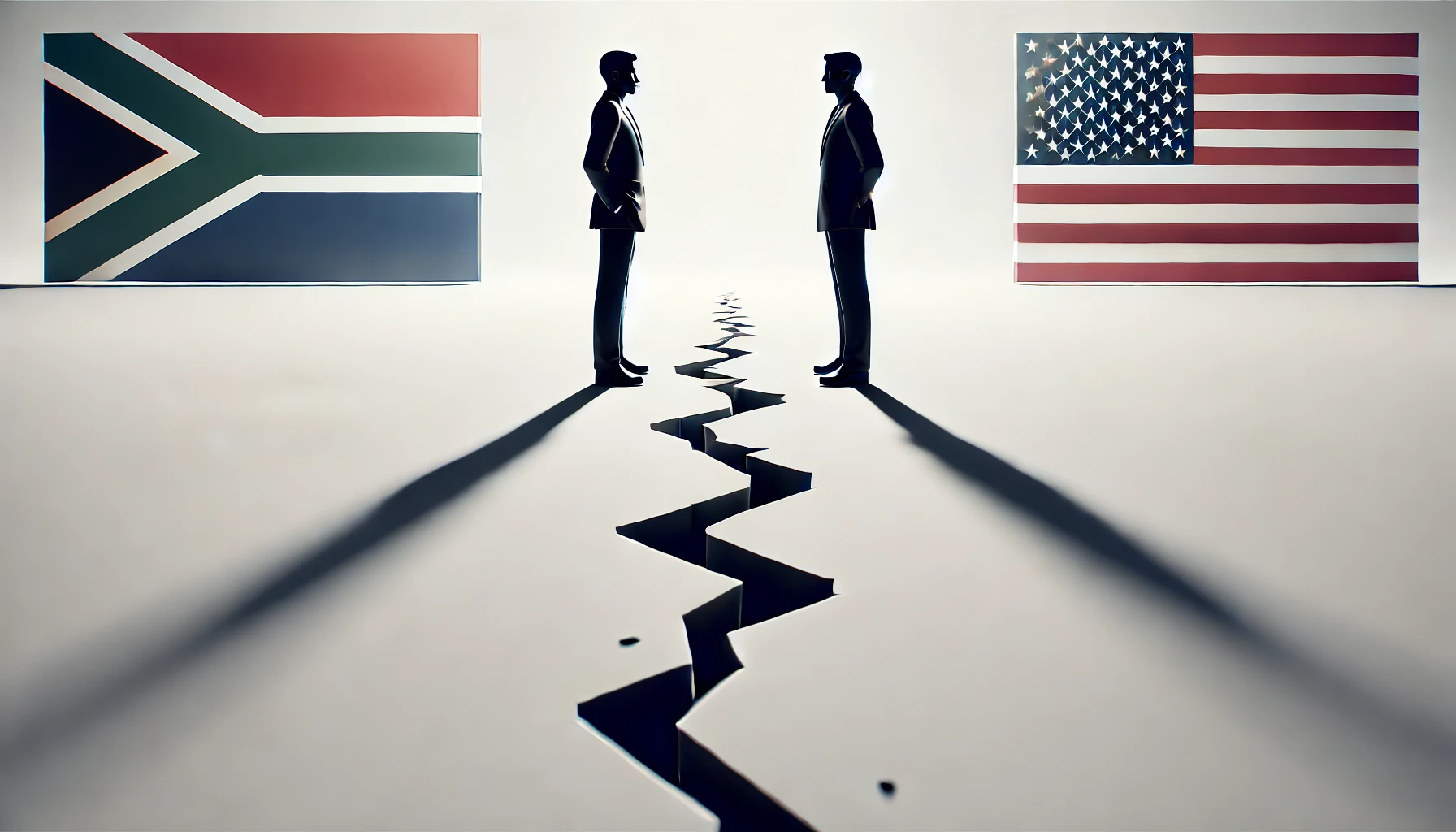
The diplomatic tensions between South Africa and the United States have reached a new level with the revelation that Mcebisi Jonas, South Africa’s Special Envoy to the United States, faced significant setbacks in his diplomatic role. This development has sparked widespread discussion about the implications for bilateral relations between the two nations.
The diplomatic standoff
In May 2025, Mcebisi Jonas encountered an unprecedented diplomatic hurdle when the United States government denied his diplomatic visa application. This rejection came alongside the return of his diplomatic credentials, effectively preventing him from fulfilling his role as Special Envoy.
Key developments in the Jonas situation
- The US State Department formally rejected Jonas’s diplomatic credentials
- Senior US officials reportedly advised South Africa to appoint an alternative envoy
- The situation remained undisclosed to the public for several months
Government response and controversy
Despite awareness of the visa denial, the South African government maintained public statements suggesting Jonas’s continued effectiveness in his role. President Cyril Ramaphosa’s June 2025 interview notably referred to Jonas as “my North American envoy,” raising questions about transparency in diplomatic communications.
Economic implications
The timing of Mcebisi Jonas’s diplomatic setback is particularly crucial given the looming threat of US tariffs on South African exports. With potential 30% tariffs scheduled for implementation in August 2025, the absence of effective diplomatic representation poses significant challenges for bilateral trade relations.
Historical context
The roots of this diplomatic tension may trace back to 2020, when Jonas publicly criticised then-US President Donald Trump. This historical context provides important background to understanding the current situation’s complexity.
Future outlook
The rejection of Mcebisi Jonas as Special Envoy creates uncertainty in South Africa-US relations. With mounting economic pressures and diplomatic challenges, both nations face crucial decisions about the path forward in their bilateral relationship.