





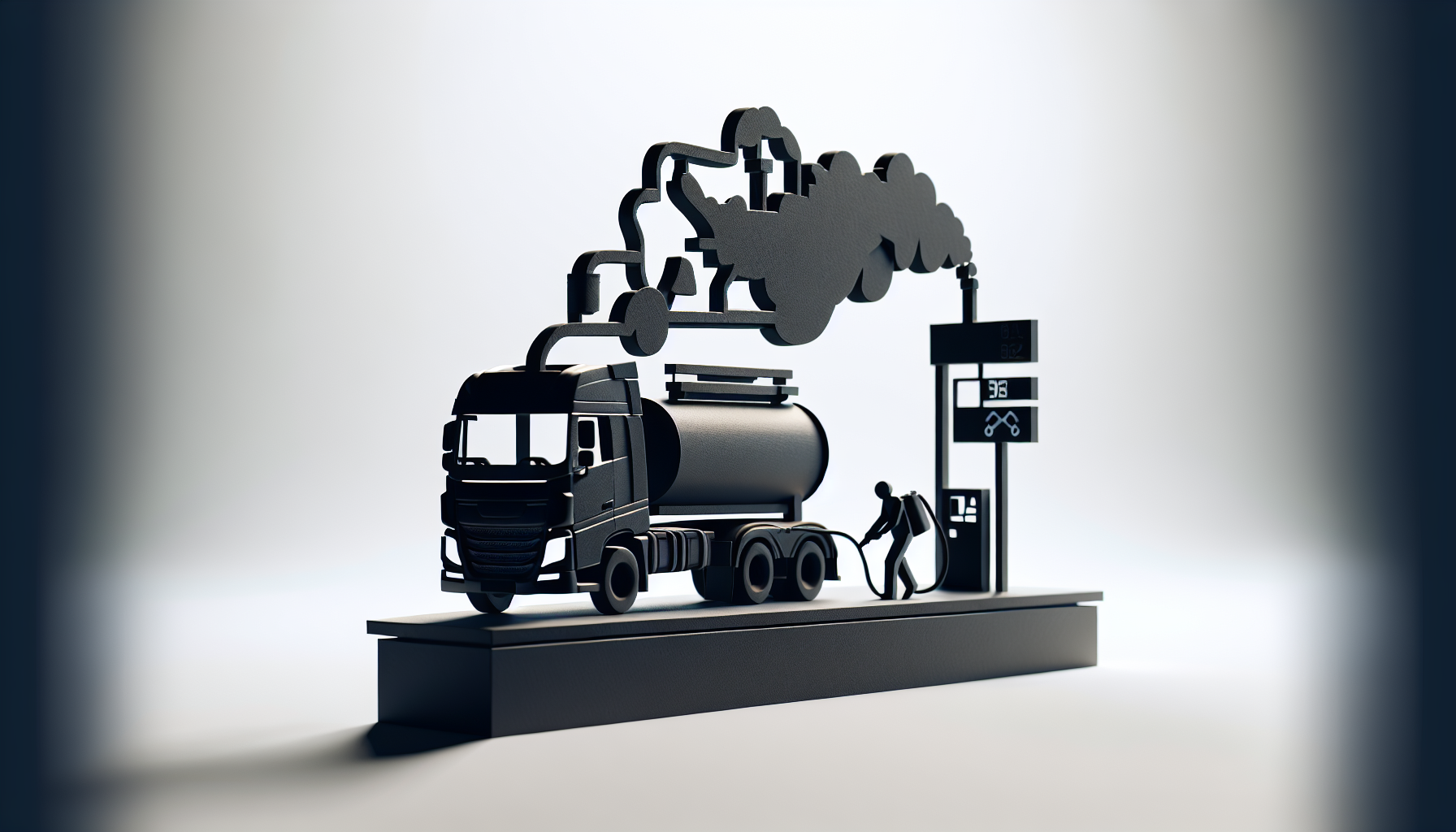
South Africa faces a growing crisis of diesel contamination that threatens both vehicle owners and the national economy. Recent investigations have uncovered widespread fuel adulteration practices, with authorities seizing massive quantities of contaminated diesel across the country. This illegal trade not only puts vehicles at risk but also costs the nation billions in lost revenue.
The Scale of Diesel Contamination in South Africa
In a shocking revelation, authorities discovered over 950,000 litres of contaminated diesel during a four-month operation. The South African Revenue Service (SARS) has seized assets worth R367 million and opened 13 criminal cases related to fuel adulteration schemes. This widespread contamination has primarily involved mixing diesel with paraffin, creating a dangerous cocktail that can destroy vehicle engines.
Impact on Vehicle Owners
The consequences of using contaminated diesel are severe and costly for vehicle owners. Tests have revealed contamination levels reaching up to 68% paraffin content in some cases, leading to:
- Engine failure and performance issues
- Clogged fuel injectors
- Excessive engine knock
- Formation of sludge in fuel tanks
Government Response and Enforcement
The Department of Mineral Resources and Energy has identified 70 petrol stations selling contaminated diesel in early 2024. Authorities have responded with decisive action, including:
- Impounding 12 trucks involved in illegal fuel transportation
- Shutting down illegal mobile “washrooms” used for fuel mixing
- Implementing stricter monitoring of storage and distribution depots
Industry Standards and Consumer Protection
The South African Petroleum Industry Association (SAPIA) maintains that licensed outlets meet required standards. However, independent testing has revealed widespread non-compliance. Consumers are advised to purchase fuel only from reputable stations and remain vigilant for signs of contaminated diesel in their vehicles.
Prevention and Best Practices
To protect against diesel contamination, vehicle owners should:
- Purchase fuel from established, licensed stations
- Monitor engine performance closely
- Report suspicious fuel quality to authorities
- Keep maintenance records and fuel receipts
The battle against diesel contamination in South Africa continues as authorities work to dismantle illegal fuel operations and protect consumers. Vehicle owners must remain vigilant while the government strengthens enforcement measures to combat this growing crisis.