




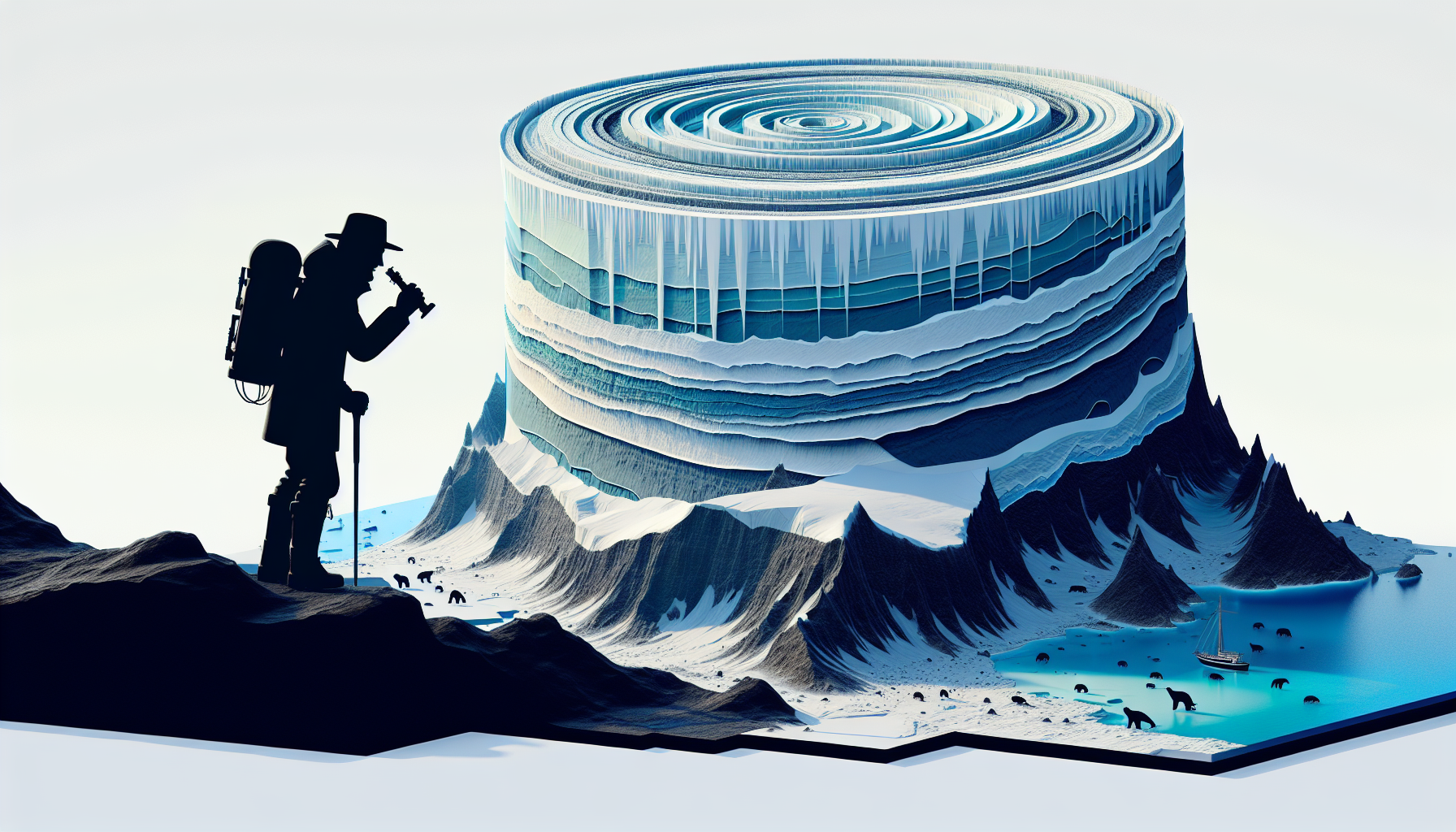
Antarctica, Earth’s southernmost continent, continues to reveal extraordinary geological secrets hidden beneath its icy exterior. Recent scientific discoveries have transformed our understanding of this polar wilderness, unveiling ancient mountain ranges and prehistoric ecosystems that paint a vivid picture of Earth’s history.
Ancient Mountains Beneath the Ice
Scientists have identified a remarkable mountain range buried deep within Antarctica’s East Ice Sheet. The Transantarctic Mountains, stretching over 3,500 kilometers, feature peaks soaring above 4,500 meters and have remained preserved under thick ice for millions of years.
Using advanced geological techniques, researchers discovered these mountains formed more than 500 million years ago, providing crucial insights into Earth’s ancient tectonic activity.
The Lost World of East Antarctica
Perhaps the most startling discovery lies two kilometers beneath Antarctica’s surface – a perfectly preserved ecosystem frozen in time for 34 million years. This prehistoric landscape offers an unprecedented window into Earth’s past climate conditions.
Key Scientific Findings
- Chemical analysis of bedrock samples revealing ancient geological processes
- Evidence of prehistoric vegetation preserved in remarkable detail
- New understanding of ice sheet dynamics and their impact on global climate
Climate Implications and Future Research
These discoveries in Antarctica hold vital clues about Earth’s climate history and potential future changes. The mountain ranges play a crucial role in controlling ice sheet movement, directly influencing global sea levels and ocean currents.
Research Applications
- Better prediction models for ice sheet behavior
- Enhanced understanding of global climate patterns
- Improved projections for sea-level rise
Conclusion
Antarctica’s hidden geological features continue to provide valuable insights into Earth’s past and future. These discoveries not only enhance our understanding of the continent’s formation but also contribute to critical climate change research.