




Termites are pests that damage a lot of property each year. They cost about $5 billion to fix in the United States. These insects have different roles in their colonies, like workers, soldiers, and swarmers.
Swarmers are the winged termites. They fly out to find mates and start new colonies. Losing their wings is a key part of their life cycle. Knowing this helps us spot infestations early and prevent damage.
Key takeaways
- Termites cause an estimated $5 billion in property damage annually in the U.S.
- Winged termites, called swarmers, emerge from colonies to mate and start new colonies.
- Shedding of wings is a key part of the termite reproductive process.
- Identifying wing shedding can help detect termite infestations early.
- Understanding termite biology and behavior is crucial for effective pest control.
Understanding Termite Biology and Wing Development
Termites are fascinating insects that play a crucial role in many ecosystems. To gain a deeper understanding of these creatures, let’s delve into their biology and the intriguing process of wing development.
Anatomy of Termite Wings
Termites have a unique feature – their straight, bead-like antennae and chewing mouthparts. Reproductive termites develop two pairs of long, narrow wings of equal length. These wings are attached to their thorax and serve a vital purpose in their life cycle.
After swarming, termites shed their wings. This is a key part of their life cycle.
The Role of Wings in Termite Colonies
Termite colonies are complex social structures. The winged termites, known as alates, play a crucial role in the reproductive cycle. Alates emerge from mature colonies, typically during spring or summer.
They are triggered by factors such as rainfall and warm temperatures. Their primary purpose is to mate and establish new nests. This ensures the continuation of the termite species.
Different Types of Winged Termites
There are over 4,000 termite species worldwide. Each is categorized by their habitat preferences. These include drywood termites, dampwood termites, and the economically significant subterranean termites.
Subterranean termites, such as the eastern subterranean termite (Reticulitermes flavipes), are the most common and destructive termite pests in the United States.
| Termite Type | Habitat | Distinctive Features |
|---|---|---|
| Drywood Termites | Found in dry, seasoned wood | Smaller in size, prefer hardwoods |
| Dampwood Termites | Thrive in damp, decaying wood | Larger in size, found in Pacific Northwest |
| Subterranean Termites | Live in the soil, tunnel to find wood | Most economically significant, preferred food is softwoods |
Understanding the biology and wing development of termites is essential in identifying and managing infestations. By recognizing the different types of winged termites and their roles within the colony, homeowners and pest control professionals can take appropriate actions. This helps protect homes and structures from these wood-destroying pests.
Why Do Termites Lose Their Wings
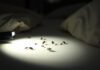
Termites, known as winged alates or termite winged reproductives, shed their wings when they mate and start a new colony. After swarming and finding a good spot, they throw away their wings. This is when they start a new colony.
The wings they shed can be seen near windows or doors. This is a key part of their life cycle. It lets the termites focus on building their colony and having babies. They lose their wings as they move from swarming to starting a new nest.
Knowing why termites lose their wings helps fight termite problems. Homeowners can watch for signs like discarded wings. If they see them, they should call pest control right away.
FAQ: Why Termites Lose Their Wings
What are the primary reasons termites lose their wings?
Termites shed their wings when they mate and start a new colony. After swarming, the reproductive termites lose their wings. This is the start of a new colony, where they focus on growing and reproducing.
How does wing shedding relate to the termite life cycle and colony development?
Wing shedding is key in the termite life cycle. After swarming, the lost wings show where termites have been. This helps the new pair focus on building their colony and making more termites.
What are the different types of winged termites, and how can they be identified?
Termites have straight antennae and chewing mouthparts. Reproductive termites have long, narrow wings. There are over 4,000 termite species, found in different habitats. Winged termites swarm in spring or summer, when it’s warm and rainy.
How do termites use their wings during the mating and colony-building process?
Termite wings are vital for mating and starting a new colony. Winged termites swarm to find mates. After mating, they shed their wings to start building their new home and family.
What is the significance of finding discarded termite wings around a home or structure?
Finding termite wings is a sign of their presence. Wings near windows or doors mean a new colony is starting. This is a warning sign to take action to protect your home.
Source Links
- https://www.mightymitetermite.com/blog/frequently-asked-questions-about-termites/
- https://pestech.com/online-guides/termites/
- http://extension.msstate.edu/content/termite-biology-eastern-subterranean-termites-and-formosan-termites
- https://gctermitecontrol.com/gcblog/termite-biology
- https://extension.uga.edu/publications/detail.html?number=B1209&title=biology-of-subterranean-termites-in-the-eastern-united-states
- https://content.ces.ncsu.edu/termite-swarmers-what-do-they-mean-for-you
- https://www.smithereen.com/blog/flying-termites-at-home/
- https://www.orkin.com/pests/termites/life-cycle