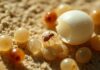





Florida has many pests, like termites and ants. Knowing how to tell them apart is key to stopping damage. Termites in Florida include Native Subterranean, Formosan Subterranean, and Asian Subterranean. There are over 2,000 termite types worldwide, with many in Florida.
Ants are also common, with carpenter ants being a big worry. Both termites and ants can swarm, making them hard to spot. This guide will teach you how to tell Florida termites from ants. We’ll look at their looks, actions, and how they harm homes.
Key takeaways
- Florida is home to a variety of termite and ant species, each with unique characteristics and behaviors.
- Proper identification of these pests is crucial for effective control and prevention of damage to homes.
- Termites can cause significant structural damage, while ants are primarily a nuisance pest.
- Early detection and professional treatment are essential to managing termite and ant infestations in Florida.
- Preventive measures, such as sealing entry points and addressing moisture issues, can help deter these pests.
Knowing the difference between Florida termites and ants helps protect your home. If you think you have pests, call a professional pest control service. They can check your home and suggest the best treatment.
Physical Characteristics of Florida’s Common Household Pests
Identifying termites and carpenter ants in Florida is key. They look similar at first, but closer inspection shows clear differences. These include body shape, wing patterns, and size.
Body Structure and Segmentation
Termites have a uniform body without a pinched waist. Ants, however, have a clear waist between their thorax and abdomen. Termite antennae are straight and beaded, while ant antennae are bent or elbowed.
Wing Patterns and Appearance
Both termites and ants have two pairs of wings. But, termite wings are equal and delicate, often breaking off easily. Ant wings have a front pair longer than the back pair.
Color Variations and Size Differences
Termites in Florida range from pale yellowish-brown to dark brown. Carpenter ants can be light tan to black. Subterranean termites and drywood termites are smaller than carpenter ants, no larger than 1/2 inch long.
| Pest | Average Size | Color Range |
|---|---|---|
| Subterranean Termites | 10 mm | Pale yellowish-brown to dark brown |
| Drywood Termites | 6-9 mm | Pale yellowish-brown to dark brown |
| Carpenter Ants | 3-13 mm | Light tan to black |
“Proper identification of these pests is the first step in effective pest control and prevention.”
Knowing the physical traits of subterranean termites, drywood termites, and carpenter ants in Florida helps you spot and tackle infestations. Remember, getting help from pest control pros is key to managing these pests.
Behavior Patterns and Nesting Habits in Florida
Identifying termites versus ants in Florida requires knowing their behavior and nesting habits. Termites eat wood and build complex underground nests or live in wooden structures. They use mud tubes to move around, often without being seen until damage is done.
Colony Formation and Structure
Florida’s termite colonies have a caste system with workers, soldiers, and reproductives. Workers do most of the work, like foraging and eating wood. Soldiers protect the colony, and the reproductives, including the king and queen, help the colony grow.
Feeding Preferences and Damage Signs
Termites mainly eat cellulose from wood and plants. This can cause a lot of damage to buildings. Look for signs like hollow wood, mud tubes, and discarded wings to spot termites. Ants, however, eat a variety of foods, including sweets and proteins.
Seasonal Activity and Swarming Periods
Termites in Florida swarm in the spring when it’s warm and humid. This is when winged termites leave their colonies to mate and start new ones. Ants swarm in late spring or early summer, also during warm weather. Knowing when they swarm helps you catch infestations early.
FAQ: Florida Termite vs Ant
What are the common termite species found in Florida?
In Florida, you’ll find Native Subterranean Termites, Formosan Subterranean Termites, and Asian Subterranean Termites. These are just a few of the over 2,000 termite species worldwide.
How can I distinguish between termites and ants in Florida?
Termites have a uniform body without a pinched waist. Ants have a clear waist between their thorax and abdomen. Termite antennae are straight and beaded, while ant antennae are bent or elbowed.
Termite wings are equal and delicate, often breaking off easily. Ant wings have a front pair longer than the back pair.
What are the differences in nesting and feeding habits between termites and ants in Florida?
Termites build underground nests or nest in wood, using mud tubes for travel. They feed on cellulose in wood and other plant materials, causing significant damage. Ants nest outdoors but may enter homes for food or shelter.
Some ants, like carpenter ants, tunnel through wood for nesting. Ants are attracted to various food sources, including sugary substances and proteins.
How can I identify signs of termite or ant infestations in my Florida home?
Signs of termite damage include hollow-sounding wood, mud tubes, and discarded wings. Ant infestations may show as visible ant trails or wood shavings from carpenter ant activity.
Both pests swarm to establish new colonies. Termites usually swarm in spring, while ants swarm in late spring or early summer.
What are the best methods for controlling termites and ants in Florida?
Effective control and prevention of termite and ant damage in Florida homes often requires professional pest management services. They can identify the specific species, assess the infestation, and recommend treatment options tailored to your property.
Source Links
- https://nozzlenolen.com/blog/post/ants-in-florida-a-complete-guide/
- https://hawxpestcontrol.com/termite-control-services/florida/
- https://www.masseyservices.com/ultimate-guide-understanding-differences-ants-termite-swarmers-swarmers/
- https://www.mccallservice.com/blog/household-pests-of-florida/
- https://palmcoastpestcontrol.com/blog/what-are-the-most-common-pests-in-florida/
- https://florida-environmental.com/flying-termites-vs-flying-ants/
- https://florida-environmental.com/white-ants-and-termites/
- https://nozzlenolen.com/blog/post/are-those-flying-ants-or-flying-termites/