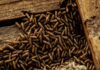





Termites are sneaky pests that can harm homes and buildings in the U.S. Every year, people spend over two billion dollars to stop and fix termite damage. With over 2,500 termite species worldwide and about 41 in the U.S., it’s key to know what causes termite problems and how to avoid them.
Termite colonies can have millions of termites, with many “headquarters” underground. These social insects love damp places and eat cellulose-based materials like wood and paper. It’s vital to act fast because termite damage can take years to show up.
Termites are more active in warm places, but they can live in many environments in the U.S. Poor ventilation, leaky pipes, and bad drainage help termites thrive. Older homes and certain building flaws also raise the risk of termites.
Key takeaways
- Termites cause billions of dollars in damage each year, and homeowners spend over $2 billion on prevention and treatment.
- There are over 2,500 species of termites globally, with approximately 41 in the United States, mostly in the Southwest.
- Termite colonies can consist of several million individuals, with multiple underground “headquarters”.
- Serious termite damage can take 3-8 years to develop, making prompt action crucial.
- Damp conditions, older homes, and certain construction flaws can increase the risk of termite infestations.
Termite Biology and Behavior
Termites are fascinating insects with over 2,500 different species worldwide. They are categorized by their habitats, including dry wood, damp wood, and subterranean termites.
Termite Species and Habitats
Subterranean termites, like the Eastern subterranean termite, are a major pest in the United States. They cause billions of dollars in damage each year. These termites build mud tubes to protect themselves from dryness and ants.
Formosan termites can attack many types of wood, including cypress, pine, and hardwoods. They are very destructive, with colonies having hundreds of thousands of termites.
Termite Colony Structure and Life Cycle
Termite colonies are complex, with millions of individuals and several “headquarters” near food. The colony has different castes, like workers, soldiers, and the king and queen.
- Workers, making up 90-98% of the colony, do all the work. They care for young, repair the nest, and find food.
- Soldiers, 2-4% (Eastern subterranean) or up to 10% (Formosan), protect the colony.
- The king and queen start with wings to swarm and form new colonies. The queen can live 10-15 years and produce over 500 offspring annually.
Termite populations can be huge, with up to 25 colonies per acre. Understanding their biology and behavior is key to preventing and managing infestations.
What Causes Termites

Termites are a common pest that cause over $5 billion in damage each year in the United States. They love moisture and wood-to-soil contact. This makes it easy for them to find food and a good place to live.
Termites often get into homes through small openings. Cracks in concrete and where plumbing and electrical cords are run are common entry points. They build “mud tubes” from soil, wood, and other materials to travel.
Environmental factors also play a role in termite infestations. For example, dampwood and subterranean termites prefer humid, warm, and wet areas. Subterranean termites live in large groups and build extensive mud tube networks to find food.
| Termite Type | Habitat Preference | Colony Size |
|---|---|---|
| Dampwood Termites | Humid environments | Up to 12,000 adults and 1 million other individuals |
| Drywood Termites | Dry wood | Up to 10 eggs laid per day |
| Subterranean Termites | Warm, humid areas | Up to 15,000 swarmers produced per day |
To prevent termites, keep wood structures away from your home’s walls. Seal cracks and gaps, and check for termite signs often. Getting help from pest control experts is also a good idea for effective treatment.
Signs of Termite Infestation

Termites are sneaky pests that can live in your home without you knowing. But, there are signs that can show you have termites. Knowing these signs helps you catch the problem early and protect your home.
Termite Swarmers and Mud Tubes
Seeing winged termites, called alates, is a clear sign of termites. These termites fly out to mate and start new colonies. If you see them around windows or near your home’s base, it means there’s a big colony nearby. Also, finding mud tubes on your home’s foundation or walls means subterranean termites are there.
Wood Damage and Hollow Sounds
Termites eat wood from the inside, leaving a thin layer on the outside. This makes wood sound hollow when you tap it. You might also see wood damage like buckling floors, stuck doors, and crumbling drywall. These are all signs termites have been eating your wood.
| Sign of Infestation | Description |
|---|---|
| Termite Swarmers | Winged termites that emerge from the colony to mate and establish new colonies. Seeing swarms of these insects can indicate a mature termite colony nearby. |
| Termite Mud Tubes | Mud tubes built by subterranean termites as they travel from their colony to food sources. These tubes are a clear sign of termite activity. |
| Wood Damage | Termites consume wood from the inside out, leaving a thin veneer on the surface. This can cause wood to sound hollow and lead to issues like buckling floors and stuck doors. |
Spotting termite signs is the first step to protect your home. If you think you have termites, get a professional to check. They can confirm the problem and help you get rid of the termites before they damage your home too much.
Preventing Termite Infestations
Protecting your home from termite damage is key. By using smart construction and landscaping, you can make your home less appealing to termites. This can help avoid expensive repairs.
Construction and Landscaping Strategies
Builders today use many ways to stop termites. They build homes on concrete foundations with air spaces. They also remove wood debris and ensure good drainage.
Builders use treated wood for parts that termites like. Homeowners can help too. Keep firewood and lumber away from your home’s base. Check wooden parts for damage and fix leaks fast to stop termites.
Termite Barriers and Professional Inspections
Adding barriers can protect your home more. These barriers include metal shields, mesh, and termiticides around your home. Getting annual termite checks is also important. They catch problems early and suggest fixes.
Using smart building, careful landscaping, and termite control can keep your home safe. This way, you can avoid big, costly damage from termites.
Conclusion
Termites are a big problem for homes in the United States, causing billions of dollars in termite damage every year. It’s important for homeowners to know why termites infest homes, how to spot them, and how to prevent them. By fixing moisture issues, removing wood from soil, and getting help from pest control, homes can be safer.
Homeowners can fight termites and keep their homes safe. Regular checks, smart landscaping, and quick help from experts are key. By being careful and taking action, homes can stay safe from termites.
To keep homes safe, it’s crucial to understand termite problems and how to treat them. Homeowners should be proactive and get help when needed. This way, homes can avoid termite damage and keep their value safe.
FAQ: What Causes Termites
What causes termites?
Termites are drawn to moisture and wood near soil. This gives them easy access to food and a good place to live. They can get into homes through small openings like cracks in concrete or where plumbing and electrical cords are.
What are the signs of a termite infestation?
Seeing winged termites is a sign of a mature colony looking to grow. Mud tubes near the foundation also show termite activity. Termites eat wood from the inside, leaving a thin layer on the outside. This makes the wood sound hollow when tapped.
How do termites damage homes?
Termites can cause a lot of damage to homes and buildings each year. They eat wood, weakening the structure over time. Damage from termites takes months or years to show up.
How can I treat and control termites?
To fight termites, use barriers and get annual inspections. Fix any moisture or wood-to-soil contact issues. Keeping firewood and lumber away from the foundation also helps prevent termites.
What are the different types of termites?
Termites are divided by their habitats, like dry wood, damp wood, and subterranean. There are over 2,500 termite species, with about 41 in the U.S., mostly in the southwest.
How do termite colonies work?
Termite colonies are complex, with millions of termites and several “headquarters.” Worker termites are small and blind, while soldiers have big heads and jaws. The king and queen are brown and start with wings to swarm and start new colonies.
How can I prevent termite infestations?
Builders use concrete foundations and treated wood to prevent termites. Homeowners can keep firewood away and inspect wooden structures for damage. Fixing leaks quickly also helps prevent termites.
Source Links
- https://www.webmd.com/a-to-z-guides/termites-what-to-know
- https://www.pestshare.com/what-causes-termites/
- https://homeparamount.com/blog/what-causes-termites/
- https://vtechworks.lib.vt.edu/bitstreams/c1477776-b649-444c-be06-fe79a160e434/download
- http://extension.msstate.edu/content/termite-biology-eastern-subterranean-termites-and-formosan-termites
- https://www.orkin.com/pests/termites/what-causes-termites
- https://www.stomppestcontrol.com/what-causes-termites/
- https://hicare.in/blog/termites-symptoms-and-causes-and-all-you-need-to-know/
- http://extension.msstate.edu/content/signs-termite-infestation
- https://www.orkin.com/pests/termites/how-to-identify-termite-activity
- https://luvalawn.com/preventing-termite-infestations-understand-their-behavior/
- https://www.callpauls.com/blog/five-tips-prevent-termites-your-home-spring
- https://njaes.rutgers.edu/fs338/
- https://atomicpestcontrol.com/what-causes-termites-in-arizona/
- https://foxmt.com/what-causes-termites/
- https://bepestfree.com/what-causes-termites-in-arizona/