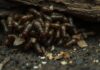





There are over 2,600 termite species worldwide. In the U.S., drywood, dampwood, subterranean, and Formosan termites are the main culprits. These pests can damage wood, causing holes and structural problems.
Termites look different based on their role in the nest. Their colors range from off-white to dark brown or even red.
Key takeaways
- Termites can be various colors, including off-white, brown, and even red.
- Different termite species have distinct physical characteristics and preferred habitats.
- Termite colonies can grow to massive sizes, with millions of individuals.
- Termite damage can occur quickly, causing significant property damage if left untreated.
- Termite inspections are recommended at least once or twice a year to identify and address infestations early.
Understanding Termite Species and Colors
Termites are a diverse group of insects, with over 2,300 different species found worldwide. In the United States, homeowners are likely to encounter a few common termite types. Each type has its own unique characteristics and appearance.
Common Termite Types in the United States
Subterranean termites are the most prevalent, making up around 90% of all termite infestations in the U.S. Some common subterranean species include the Eastern subterranean termite, Arid Land subterranean termite, and the western subterranean termite. Formosan termites, a type of subterranean termite, are also a significant concern in areas like Louisiana, Texas, and Florida.
Drywood termites live in dry wood and do not require moisture from the ground to survive. They are typically found in coastal regions, particularly in the southern states and parts of California.
Identifying Termite Castes by Appearance
Termites exist in different castes, each with distinct physical features. Workers, the most numerous caste, are typically cream-colored and measure between 1/8″ to 1/4″ in length. Soldiers, known for their large heads and strong mandibles, are slightly larger than workers. The reproductive termites, or swarmers, are the largest of the castes, with some queens growing over 2 inches long.
| Termite Caste | Typical Size | Color | Key Features |
|---|---|---|---|
| Workers | 1/8″ to 1/4″ | Cream | Numerous, responsible for foraging and building |
| Soldiers | Slightly larger than workers | Cream to dark brown | Large heads and mandibles, protect the colony |
| Reproductive Swarmers | Up to 2″ for queens | Varies by species | Winged, responsible for starting new colonies |
Understanding the different termite species and their physical characteristics is crucial for proper identification and effective pest management.
The Appearance of Termite Workers
Identifying termites starts with looking at their workers. These termites are crucial for the colony, doing tasks like finding food and keeping the nest clean. Each species might look a bit different, but there are common traits to spot them.
Colors and Features of Worker Termites
Termite workers are usually light in color, from pale caramel to milky white. They don’t have wings and are soft-bodied, about ¼-½ inch long. Their features are not as clear as those of termite soldiers, making them hard to spot at first glance.
It’s tricky for homeowners to tell which species of termites they have just by looking at the workers. Experts usually look at the termite soldiers to figure out the type.
| Termite Species | Worker Appearance |
|---|---|
| Subterranean Termites | Off-white to dark brown/black in color |
| Drywood Termites | Yellow-brown colored body with transparent or gray wings |
| Dampwood Termites | Larger in size with a reddish tint to their brown bodies |
Even though termite workers aren’t the best for figuring out the species, seeing them means you might have termites. Homeowners should watch out and call experts if they think they have termites.
Termite Soldiers – Guardians of the Colony

Termite colonies have a special caste called soldiers. They are the guardians, protecting the nest from threats. Their unique look and skills make them key to the colony’s safety.
Termite soldiers have beige bodies and large, dark heads and mandibles. This look helps scare off intruders. When danger comes, they use their strong jaws to keep the nest safe.
Knowing how to spot termite soldiers is important. Pest control experts use their look to tell different termite species apart. Each species needs its own way to be managed.
Termite soldiers also help keep the colony’s tunnels strong. They fix broken walls and weak spots. This keeps the nest safe for all termites.
Termite soldiers are vital for the colony’s defense. Their special skills and placement protect the colony. This lets other termites focus on finding food, making babies, and caring for young ones.
| Statistic | Value |
|---|---|
| Termite damage in the US annually | Over $5 billion |
| Percentage of soldiers in a colony | About 10% |
| Termite species described worldwide | Approximately 2,972 |
| Most invasive and damaging pest species | 28 belong to the genus Coptotermes |
Understanding termite soldiers helps fight infestations. Homeowners and pest control can protect homes and businesses from termite damage.
Are Termites Red? Exploring Swarmer Colors

Homeowners often see flying termites, called swarmers, in the spring and summer. These termites fly in groups to mate and start new colonies. Knowing the colors and looks of different termites helps in identifying them and controlling pests.
Drywood Termite Swarmers
Drywood termites live in dry wood and have reddish-brown or dark brown bodies. Their wings are clear and veined. They are common in the U.S. and their color helps identify the infestation type.
Dampwood and Formosan Termite Swarmers
Dampwood termites have light-colored bodies, from yellow to tan. Formosan termites, aggressive and from Asia, also have yellowish bodies. These colors help tell apart different termites and guide treatment.
Subterranean Termite Swarmer Coloration
Subterranean termites have black bodies and clear, veined wings. Their small size and black color are signs of subterranean termites.
Knowing the colors of different termites helps homeowners and pest control experts. This knowledge leads to better treatment and prevention. It protects homes from termite damage.
Distinguishing Termites from Ants
Termites and ants can look similar, but they are not the same. Knowing how to tell them apart is important. Let’s look at what makes termites and ants different.
Appearance Differences
Termites have a pale, whitish body. Ants, like carpenter ants and fire ants, can be black, brown, or red. Termites have equal-sized wings, while ants have different body parts and look more like ants.
Behavioral Differences
Termites mainly eat wood, causing a lot of damage. Carpenter ants prefer moist, damaged wood and make smooth tunnels. Termites make ragged tunnels.
Termites swarm in the spring, their busiest time. Carpenter ants swarm at any time of the year. Termite swarmers are not good fliers and lose their wings fast. Ants, on the other hand, are strong fliers and keep their wings.
| Feature | Termites | Ants |
|---|---|---|
| Color | Pale, whitish-colored | Black, brown, red, or a mixture |
| Wings | Equal-sized wings | Visibly different body segments and ant-like shape |
| Wood Damage | Chew healthy wood and create ragged tunnels | Prefer moist, damaged wood and build clean tunnels |
| Swarming Behavior | Swarm during spring, poor fliers who shed wings | Swarm randomly, strong fliers who maintain wings |
Knowing how to tell termites from ants is key to spotting infestations. If you’re not sure, get help from a pest control expert. They can check your place and suggest the right action.
Conclusion
Termites are a common and destructive pest that can cause significant damage to homes and other structures across the United States. Identifying the specific type of termite is crucial for effective pest control and prevention. Whether you’re dealing with subterranean termites, drywood termites, or dampwood termites, understanding their characteristics and behaviors is key. This helps you recognize the signs of an infestation and take action to protect your property.
By familiarizing yourself with the various termite species and their distinct physical features, you can better identify the type of termite problem you’re facing. This knowledge, combined with the expertise of professional termite pest control services, can be the key to effectively managing and preventing termite infestations in your home or business.
Remember, prompt action and diligence are essential when it comes to termite identification and control. By staying informed and proactive, you can protect your valuable assets and ensure the long-term integrity of your structures.
FAQ: Termite Coloring
Are termites red in color?
No, termites come in many colors. Some, like drywood termites, might look reddish-brown. But most termites are not red.
What are the common termite species found in the United States?
In the U.S., four types of termites cause problems. These are drywood, dampwood, subterranean, and Formosan termites. Subterranean termites are the most common, making up about 90% of infestations.
How can I identify the different termite castes?
Termites look different based on their role. Workers are wingless and soft, with colors from light caramel to milky white. Soldiers have beige bodies and large, dark heads. Swarmers, or flying termites, have black bodies and clear, veined wings.
What color are termite workers?
Termite workers, who gather food, are usually light caramel to milky white. This is true for all termite species.
How can I identify termite soldiers?
Termite soldiers have beige bodies and large, dark heads. Experts often use these features to identify the termite species.
What color are the swarming termites?
Swarming termites come in different colors. Drywood termites are often red or brown. Dampwood and Formosan termites are light yellow or tan. Subterranean termite swarmers have black bodies with clear, veined wings.
How can I tell the difference between termites and ants?
Look at the color, body shape, and behavior to tell them apart. Subterranean termite swarmers are black and poor fliers, losing their wings soon. Winged ants, like carpenter ants and fire ants, keep their wings and are strong fliers.
Source Links
- https://openhouseinsurance.com/blog/what-are-the-signs-of-termites/
- https://www.bbrief.co.za/2024/10/17/termite-identification/
- https://www.domyown.com/termite-identification-guide-a-476.html?srsltid=AfmBOopZLjTfw-B8zHbolHGuSw-t3eWg-C2JsAS9G5-qkIEttaaT3o0W
- https://www.hi-techtermitecontrol.com/how-to-identify-termites.html
- https://www.orkin.com/pests/termites/colony/soldier-termites
- https://activepestcontrol.com/termites/identification/what-does-a-termite-look-like/
- https://dynamix-cdn.s3.amazonaws.com/bredapest2019com/bredapest2019com_802129314.pdf
- https://en.wikipedia.org/wiki/Termite
- https://www.actiontermitecontrol.com/what-color-are-termites/
- https://www.wikihow.com/Identify-a-Termite
- https://www.thespruce.com/difference-between-ants-and-termites-2656329
- https://www.copesan.com/education/termites-vs-ants/
- https://romneypestcontrol.com/how-to-kill-termites/
- https://www.innovativepest.com/what-do-termites-look-like/