





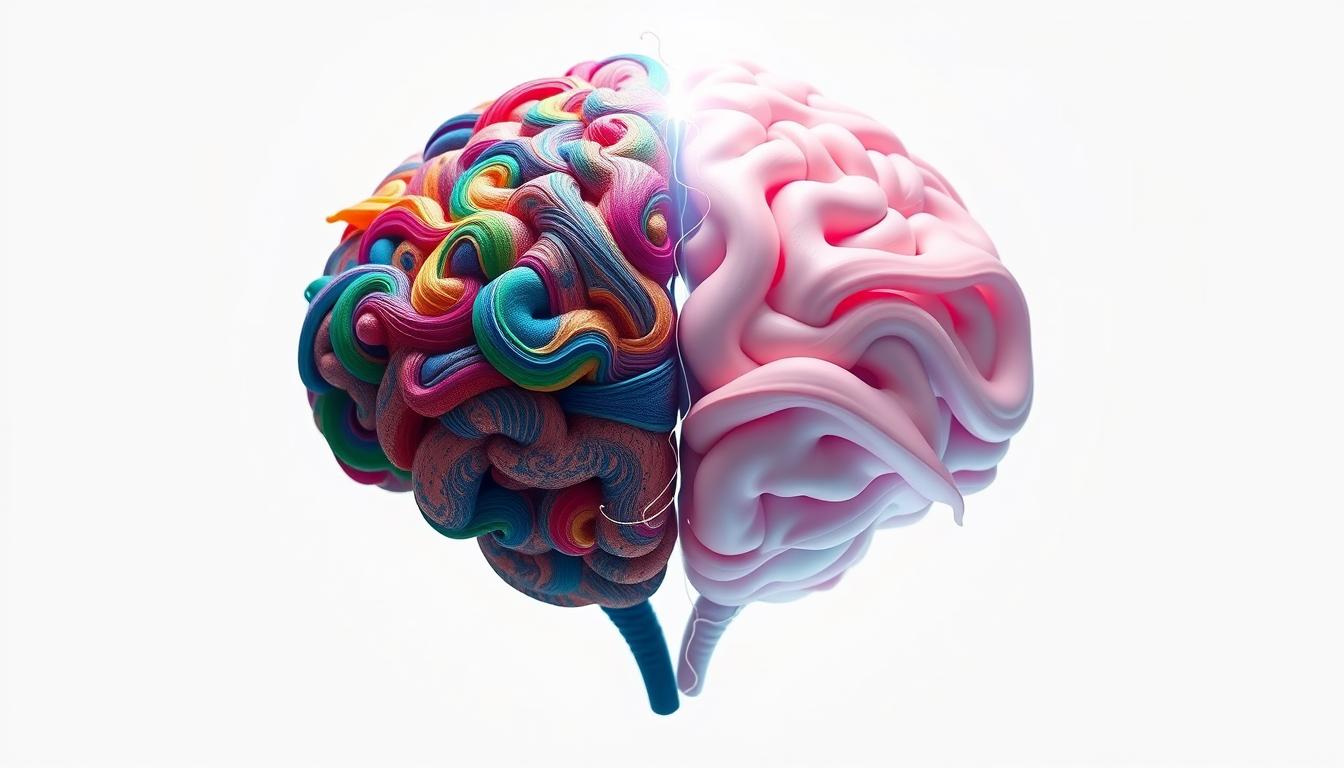
ADHD and anxiety are two different conditions. Yet, they often go hand in hand. So, do ADHD meds help with anxiety? About half of adults with ADHD also have an anxiety disorder. This combination can make ADHD symptoms like feeling restless or having trouble concentrating even worse.
Anxiety disorder brings its own set of symptoms. These include persistent worry, restlessness, trouble concentrating, and irritability. Sometimes, anxiety arises from the challenges of ADHD. In other cases, it’s a separate issue not linked to ADHD.
Key takeaways
- ADHD and anxiety are separate conditions, but they commonly occur together.
- Anxiety can worsen ADHD symptoms such as restlessness and difficulty concentrating.
- Anxiety can develop as a result of struggling with ADHD or it can be a separate condition.
- ADHD medications may help manage anxiety symptoms in some cases, but it depends on the individual.
- Consulting a healthcare provider is important to determine the best treatment approach for your unique situation.
Disclaimer
The information provided on this blog is for informational purposes only and is not intended as a substitute for professional medical advice. While we strive to share knowledge and insights on wellness topics, readers should not interpret any content found here as medical advice. We encourage all readers to consult with qualified healthcare practitioners for personalized medical guidance and to address any health concerns they may have.
Understanding ADHD and Anxiety
ADHD and anxiety disorders are two different conditions that often happen together. ADHD is a disorder that makes it hard to focus, be still, and control impulses. Anxiety disorders are mental health issues that cause too much worry, fear, and physical signs.
What is ADHD?
ADHD is a brain disorder that starts in childhood and can last into adulthood. People with ADHD find it hard to focus, stay organized, and control their impulses. They might have trouble finishing tasks, staying on track, and managing their feelings.
ADHD symptoms can really affect someone’s daily life and relationships.
What is Anxiety Disorder?
Anxiety disorders are mental health issues that make people worry too much, feel scared, and have physical symptoms. These symptoms can include feeling restless, tense, having a fast heartbeat, and trouble sleeping. Anxiety can come from outside stress or from inside thoughts and feelings.
ADHD can make anxiety worse because of the daily challenges it brings. Struggling to focus, stay organized, and control impulses can make someone feel more stressed and anxious.
| ADHD Symptoms | Anxiety Disorder Symptoms |
|---|---|
|
|
It’s important to understand how ADHD and anxiety disorders are connected. Knowing the unique symptoms and how they can happen together helps people find the right support and strategies.
The Link Between ADHD and Anxiety

ADHD and anxiety are closely linked, with about 50% of individuals with ADHD also experiencing an anxiety disorder. The relationship between these two conditions is complex. They can both contribute to and exacerbate each other.
Anxiety often develops due to the challenges of living with ADHD. The difficulties with organization, forgetfulness, and feeling overwhelmed by daily tasks are common. These can lead to heightened feelings of worry, nervousness, and apprehension.
On the other hand, the core symptoms of ADHD can also contribute to anxiety. The constant struggle to stay focused, acting without thinking, and feeling unable to control one’s behavior can all contribute to a persistent state of anxiety.
The relationship between ADHD and anxiety is complex. Each condition often makes the other worse. Understanding this link is crucial for developing effective treatment strategies that address both ADHD and anxiety.
“The challenges of living with ADHD can often lead to the development of anxiety, as individuals struggle to manage the demands of daily life. Addressing both conditions is essential for achieving optimal mental health and well-being.”
Treatment Approaches for ADHD and Anxiety

Managing ADHD and anxiety together can be tricky. Both conditions often appear together. Medications are key, with options for both stimulants and non-stimulants. Each type meets different needs for those with ADHD and anxiety.
Stimulant Medications
Stimulants like methylphenidate and amphetamines are common for ADHD. They boost dopamine and norepinephrine, helping with focus and control. But, they can make anxiety worse, causing more restlessness and worry.
Non-Stimulant Medications
For those with ADHD and anxiety, non-stimulants like atomoxetine (Strattera) and viloxazine (Qelbree) might be better. They target norepinephrine without the stimulant effects. This makes them a more balanced choice for managing both conditions.
| Medication | Mechanism of Action | Potential Benefits for ADHD and Anxiety |
|---|---|---|
| Stimulants (e.g., methylphenidate, amphetamines) | Increase dopamine and norepinephrine levels | Effective for improving ADHD symptoms, but may worsen anxiety |
| Non-Stimulants (e.g., atomoxetine, viloxazine) | Target norepinephrine system without stimulant-like effects | May be better tolerated for individuals with co-occurring ADHD and anxiety |
Choosing between stimulant and non-stimulant ADHD meds for anxiety is complex. A healthcare professional must carefully consider each option. They aim to find the best treatment for both ADHD and anxiety symptoms.
Do ADHD meds help with anxiety
If you have ADHD and anxiety, you might wonder if ADHD meds can help. The good news is that some non-stimulant ADHD meds, like strattera for ADHD and anxiety and Qelbree for ADHD and anxiety, can help with both conditions.
Atomoxetine (Strattera)
Atomoxetine, also known as Strattera, is a non-stimulant ADHD medication. It works by stopping the brain from reabsorbing norepinephrine. This helps improve focus and concentration without causing anxiety, unlike some stimulant meds.
For people with ADHD and anxiety, Strattera might be a good choice.
Viloxazine (Qelbree)
Viloxazine, or Qelbree, is another non-stimulant ADHD medication. It helps balance neurotransmitters in the brain. This can help with ADHD symptoms and also reduce anxiety.
As a non-stimulant ADHD med that helps with anxiety, Qelbree is a good option for those looking for a different treatment.
Remember, how well these meds work for anxiety can vary. The cause and severity of your ADHD and anxiety will affect treatment. It’s key to work with your doctor to find the right medication and dosage for you.
Antidepressants and Blood Pressure Medications
Managing ADHD and anxiety can be tough. But, antidepressants and certain blood pressure meds can help. They work well with or instead of ADHD meds, offering extra benefits for those with both conditions.
Antidepressants, like SSRIs and SNRIs, can ease anxiety and boost focus and concentration. Some common antidepressants for ADHD and anxiety are:
- Fluoxetine (Prozac)
- Sertraline (Zoloft)
- Venlafaxine (Effexor)
- Duloxetine (Cymbalta)
Blood pressure meds like clonidine and guanfacine are also FDA-approved for ADHD. They might help with ADHD and anxiety too. These meds balance brain chemicals, helping with focus, impulsivity, and anxiety.
| Medication | Typical Use | Potential Benefits for ADHD and Anxiety |
|---|---|---|
| Clonidine | High blood pressure, ADHD | Improved focus, reduced impulsivity, alleviated anxiety |
| Guanfacine | High blood pressure, ADHD | Improved focus, reduced impulsivity, alleviated anxiety |
Always talk to your doctor about the best treatment for you. They’ll consider the good and bad of antidepressants or blood pressure meds for ADHD and anxiety.
Determining the Primary Condition
When you have both ADHD and anxiety, figuring out which one is more important is key. Your doctor needs to know this to choose the best treatment. If anxiety is its own issue, you might need to treat both at once. But, if ADHD is causing most of the anxiety, treating ADHD could help with that too.
Your doctor will look at how bad your symptoms are and which one affects your daily life more. Finding out which condition is primary is vital for a good treatment plan. It helps tackle the main problem you’re facing.
The diagnosis of ADHD vs. anxiety is not easy because they often go together. Your doctor will use tests, your history, and feedback from others to figure out which one is more important. This helps decide the best way to treat both ADHD and anxiety.
“Correctly identifying the primary condition is crucial for developing an effective treatment plan that addresses the root cause of your struggles.”
Working with your doctor is important to get the right treatment for ADHD and anxiety. This will help improve your life and well-being.
Conclusion
Managing ADHD and anxiety together can be tough, but it’s doable with the right steps. ADHD and anxiety often go hand in hand, making each condition worse. Research has shown that up to 50% of adults with ADHD also have anxiety.
It’s important to figure out which condition is causing your symptoms. This helps in finding the best treatment. While some ADHD meds can make anxiety worse, others might help with both. Antidepressants and blood pressure meds can also help manage symptoms.
Effective treatment usually involves a mix of meds, therapy, and lifestyle changes. Working with your healthcare team can help you find the right mix. With the right support and strategies, you can manage both ADHD and anxiety and feel better overall.
FAQ: ADHD medication and anxiety
Do ADHD medications help with anxiety?
ADHD meds and anxiety have a complex relationship. Stimulants like methylphenidate and amphetamines help with ADHD but can make anxiety worse. For those with both ADHD and anxiety, non-stimulants like atomoxetine and viloxazine might be better. They are less likely to make anxiety symptoms worse.
What is the difference between ADHD and anxiety disorder?
ADHD is a disorder that makes it hard to focus, be still, and control impulses. Anxiety is a mental illness that makes you worry too much, feel restless, and have physical symptoms. ADHD can make anxiety worse because it makes daily tasks harder.
Why do ADHD and anxiety often occur together?
ADHD and anxiety often go hand in hand, affecting about 50% of people with ADHD. Anxiety can come from the stress of living with ADHD, like forgetting things and feeling overwhelmed. ADHD symptoms can also make anxiety worse.
What types of medications are used to treat ADHD and anxiety together?
To treat ADHD and anxiety, doctors might use non-stimulant ADHD meds like Strattera and Qelbree. They might also prescribe antidepressants or blood pressure meds. Antidepressants can help with anxiety and focus. Blood pressure meds like clonidine can help with ADHD and anxiety.
How do healthcare providers determine the best treatment approach for ADHD and anxiety?
Doctors need to figure out which problem is causing the most symptoms. If anxiety is separate from ADHD, they might treat both. But if ADHD is causing the anxiety, treating ADHD might help with anxiety too. They look at how severe the symptoms are and which one is more of a problem.
Source Links
- https://www.webmd.com/add-adhd/anxiety-adhd-link
- https://www.medicalnewstoday.com/articles/best-adhd-medication-for-adults-with-anxiety
- https://medvidi.com/blog/adhd-medication-for-adults-with-anxiety