






In today’s fast-paced world, stress is a constant companion. It can manifest as physical, emotional, or mental strain, affecting our health over time. Fortunately, our bodies can adapt and respond to stress with the help of certain plants and supplements. Ashwagandha and rhodiola are two such adaptogens, renowned for their ability to enhance resilience against stress. The ashwagandha vs. rhodiola for anxiety debate is significant, as both are extensively studied adaptogenic herbs. They’ve been integral in traditional medicine for centuries, aiding in stress management, cortisol level regulation, and addressing various health issues. But, the question remains: which one is more suitable for you? While they share some similarities, ashwagandha and rhodiola each possess distinct characteristics. Let’s delve into their unique aspects.
Key takeaways
- Ashwagandha and rhodiola are both adaptogenic herbs used to help the body cope with stress.
- Ashwagandha is an Ayurvedic remedy known for its stress-relieving and anti-anxiety properties.
- Rhodiola is prized for its ability to boost energy, focus, and physical performance.
- Both herbs have unique benefits, so the choice between ashwagandha or rhodiola depends on your specific needs and health goals.
- Combining ashwagandha and rhodiola can provide synergistic benefits for overall well-being.
- USER WARNING – Avoid untested products. Opt for reputable brands with verified quality and positive social proof to ensure safety and efficacy.
- NEED TO PURCHASE? – OUR PREFERRED PRODUCT PICKS:
- Best overall supplement – Physician’s Choice with over 27,000 user reviews
- Best root powder extract – KSM-66 Ashwagandha with over 6,800 reviews
- Best value – Nutricost Ashwagandha Capsules with over 1,900 reviews
Disclaimer
The information provided on this blog is for informational purposes only and is not intended as a substitute for professional medical advice. While we strive to share knowledge and insights on wellness topics, readers should not interpret any content found here as medical advice. We encourage all readers to consult with qualified healthcare practitioners for personalized medical guidance and to address any health concerns they may have.
Understanding Adaptogens – Ashwagandha and Rhodiola
In the realm of natural remedies, adaptogens have emerged as crucial for stress management. These herbs, integral to Ayurveda and Traditional Chinese Medicine, aid the body in adapting to stress. They support the body’s natural stress response, enhancing its resilience.
What Are Adaptogens?
Adaptogens are substances that aid in stress management without being toxic. They balance the body’s stress response system, the HPA axis. This balance helps the body to better manage stress, promoting overall well-being.
The Unique Properties of Ashwagandha and Rhodiola
Ashwagandha and Rhodiola stand out among adaptogenic herbs. Known for their stress-reducing and cognitive-enhancing properties, Ashwagandha is a staple in Ayurvedic medicine. Rhodiola, found in Northern Europe, Eastern Europe, and parts of Asia, boosts physical and mental performance and eases stress.
“Adaptogens are natural, non-toxic substances that help the body cope with various forms of stress, whether it’s physical, mental, or emotional.”
Research has shed light on the properties of Ashwagandha and Rhodiola. This knowledge helps in selecting the right adaptogenic herb for your health goals.
The Health Benefits of Ashwagandha
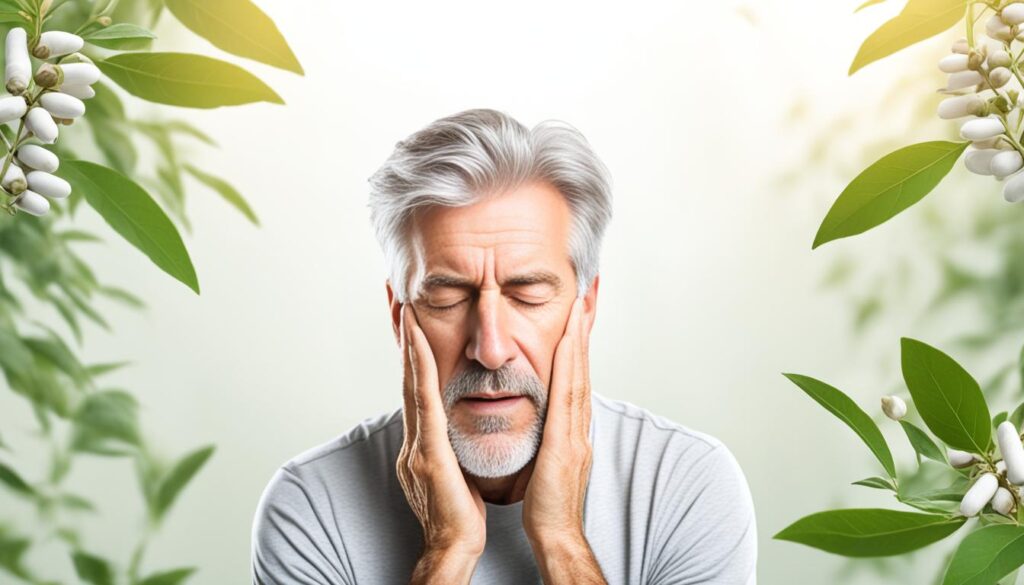
Ashwagandha stands out as an adaptogenic herb, offering significant benefits for your health. It aids in stress and anxiety reduction, supports hormone balance, and enhances cognitive function. This ancient herb is indeed a powerhouse for well-being.
Ashwagandha for Stress and Anxiety Relief
Ashwagandha is renowned for its stress and anxiety management capabilities. Studies confirm its effectiveness in lowering cortisol levels, the hormone linked to stress. By adding ashwagandha to your daily regimen, along with practices like yoga, meditation, and sufficient sleep, you can effectively mitigate chronic stress’s negative impacts.
Ashwagandha for Hormone Balance and Reproductive Health
Ashwagandha is celebrated for its hormone-balancing properties, especially in men. It boosts testosterone levels, enhancing fertility and sexual health. For women, it may stabilize menstrual cycles and ease symptoms of hormonal imbalances, such as PCOS.
Ashwagandha for Cognitive Function and Memory
Ashwagandha also benefits cognitive and memory functions. Its antioxidants and anti-inflammatory agents shield brain nerve cells. This makes it a crucial supplement for maintaining mental acuity, focus, and memory. Regular ashwagandha use has been linked to better memory, concentration, and cognitive abilities.
| Benefit | Key Findings |
|---|---|
| Cortisol Reduction | Ashwagandha significantly lowers cortisol, the body’s stress hormone. |
| Blood Sugar Support | Studies on diabetes patients show ashwagandha can reduce blood sugar levels. |
| Hormone Balance | Ashwagandha boosts testosterone in men and regulates menstrual cycles and PCOS symptoms in women. |
| Cognitive Function | Its antioxidants and anti-inflammatory effects protect brain nerve cells, leading to better memory, focus, and cognitive performance. |
“Ashwagandha has been used in Ayurvedic medicine for centuries to help the body manage stress and promote overall well-being.”
The Power of Rhodiola

Rhodiola Rosea, known as “arctic root,” “golden root,” and “king’s crown,” is a potent adaptogen. It stands out from ashwagandha, thriving in Europe and Asia’s northern climates, especially in high mountain regions.
Rhodiola for Improved Energy and Physical Performance
Rhodiola is a top choice for boosting physical energy and performance. Research indicates it reduces exercise’s perceived effort, making it easier. Soldiers and athletes have used it for years, noting its benefits in stamina and anti-fatigue effects.
Rhodiola for Mental Clarity and Focus
Rhodiola also enhances mental energy and focus. Clinical studies show it helps with depression and insomnia, improving mood support and self-esteem. It’s especially helpful for those with chronic fatigue syndrome, reducing mental and physical exhaustion.
“Rhodiola is a versatile adaptogen that can support both physical and mental well-being, making it a valuable addition to one’s wellness regimen.”
Looking to boost your physical energy and stamina or improve your mental clarity and focus? Rhodiola is a natural, effective choice. Adding it to your daily routine could help you reach your full potential.
Ashwagandha or Rhodiola? Choosing the Right Herb for Your Needs
When considering adaptogenic herbs, ashwagandha and rhodiola stand out as top choices. Yet, deciding which one suits your needs best requires an understanding of their distinct qualities. Let’s delve into the specifics of each herb to guide your selection.
For those grappling with stress and anxiety, ashwagandha could be the preferred choice. This herb, rooted in Ayurvedic tradition, is celebrated for its soothing properties. It aids in cortisol regulation and fosters better sleep. Conversely, if you aim to elevate your physical performance and energy levels, rhodiola might be the better option. This adaptogen from Siberia is acclaimed for its ability to boost cognitive function and stamina.
However, you might not have to pick just one. Many individuals discover that using both ashwagandha and rhodiola yields the best outcomes. This combination aids in achieving a harmonious balance of calm focus and physical well-being. The combined effects of these two herbs can be remarkably impactful.
“Ashwagandha and rhodiola work in complementary ways, allowing you to harness the unique benefits of each adaptogen.”
The decision between ashwagandha and rhodiola (or both) hinges on your unique needs and objectives. It’s crucial to comprehend the distinct advantages of each herb. Consulting with a healthcare professional can help pinpoint the best approach for your overall well-being.
Combining Ashwagandha and Rhodiola for Enhanced Well-being
For those seeking natural stress relief and energy boosts, the pairing of ashwagandha and Rhodiola rosea is a potent choice. These adaptogenic herbs complement each other, aiding the body in managing stress. This synergy fosters balance and resilience.
The Synergistic Benefits of Taking Both Herbs Together
Integrating ashwagandha and rhodiola into your wellness routine can lead to several advantages:
- Improved stress management and reduced anxiety
- Boosted energy, endurance, and physical performance
- Enhanced cognitive function, mental clarity, and focus
- Stabilized mood and improved overall well-being
This powerful combination aids in adapting to stress, both physical and emotional. It supports resilience and vitality.
Recommended Dosages and Timing
When combining ashwagandha and rhodiola, adhering to recommended dosages is crucial. For ashwagandha, aim for 600 mg daily, split into two 300 mg doses. Morning and evening are ideal times for these doses. Rhodiola should not exceed 680 mg daily, with a maximum single dose of 200 mg.
Begin with the lower dosage range and adjust as needed, observing your body’s response. Consistency is vital, as the herbs’ full effects may take weeks or months to appear.
“The synergistic effects of combining ashwagandha and rhodiola can be truly transformative, helping your body adapt to stress and promoting overall well-being.”
Conclusion
Ashwagandha and rhodiola are renowned adaptogenic herbs, each offering distinct benefits for stress relief, energy, cognitive function, hormone balance, and physical performance. While they share some commonalities, their unique properties cater to different needs and goals.
Ashwagandha excels in reducing anxiety and cortisol levels, balancing hormones, and enhancing memory and focus. Conversely, rhodiola is celebrated for its ability to boost energy, sharpen mental clarity, and support physical endurance. Combining these herbs might offer enhanced benefits, as they could complement each other in supporting your well-being.
Choosing the right herb depends on your health concerns and personal preferences. Consulting with a healthcare professional is advisable before adding either or both of these adaptogens to your regimen. By comprehending the distinct characteristics of each herb, you can make an informed choice, paving the way for improved health and well-being.
FAQs: Ashwagandha and Rhodiola
What are adaptogens and how do they work?
Adaptogens are compounds within certain herbal plants and mushrooms. They aid the body in managing stress, anxiety, and fatigue. By targeting elements that increase stress, anxiety, or fatigue, they help the body adapt.
How do ashwagandha and rhodiola differ in their properties and benefits?
Ashwagandha is renowned for its ability to reduce anxiety and cortisol levels. It also balances hormones and enhances memory and focus. In contrast, rhodiola is celebrated for its role in boosting energy and mental clarity. It supports physical endurance as well.
What are the key health benefits of ashwagandha?
Ashwagandha significantly lowers cortisol levels, blood sugar, and testosterone in men. It aids in fertility and has anti-inflammatory and antioxidant effects. These properties protect the brain.
How does rhodiola improve energy and physical performance?
Rhodiola has been a staple for soldiers and athletes to boost stamina and endurance. It reduces depression symptoms, elevates self-esteem, and makes exercise less strenuous.
When should I choose ashwagandha versus rhodiola?
Opt for ashwagandha if you’re focused on anxiety, sleep, or relaxation. For energy, focus, and physical performance enhancement, rhodiola is the better option.
Can I take ashwagandha and rhodiola together?
Absolutely, combining ashwagandha and rhodiola can offer comprehensive benefits. It aids in stress relief, energy, cognitive function, hormone balance, and physical performance. Aim for 600 mg of ashwagandha and up to 680 mg of rhodiola daily.
Source Links
- https://dailygem.co/blogs/news/ashwagandha-vs-rhodiola
- https://www.healthline.com/health/rhodiola-and-ashwagandha-together
- https://jackiesilvernutrition.com/articles/ashwagandha-vs-rhodiola/