





Tag: Santam

Weathering the risks – can farmers survive an unpredictable climate?
Recent severe weather events across South Africa have once again highlighted the agricultural sector's growing exposure to climate-related risks. While hail has historically been one of the most visible threats, farmers increasingly face a combination of hazards. These include strong winds, heavy rainfall, localised flooding and unseasonal weather patterns. Often, these hazards occur within the same production cycle.
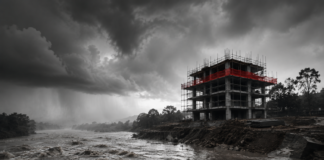
Construction flood planning – is historic data enough?
As weather patterns evolve and climate-related risks intensify, the construction sector must rethink how it assesses flood exposure. South Africa is on the cusp of yet another unprecedented weather cycle. The World Meteorological Organisation (WMO) predicts a moderate-to-strong El Niño event developing between now and August 2026.
Water impact on farming – navigating climate risks
The agriculture sector is integral to the South African economy. It contributes around R400 billion to GDP each year. Additionally, it supports approximately 870,000 jobs across the country. The sector also generates USD13 billion in export revenue annually. Moreover, it plays a critical role in supporting South Africa’s food security.

Climate risk and insurance – adapting to extreme weather
Over the last couple of years, climate-related disasters have increased in both frequency and intensity. These disasters have accelerated rapidly, creating a physical and socioeconomic divide in risk exposure and protection.

Agricultural insurance – mitigating climate change impact on seasonal crop production
The agriculture sector is vital for economic growth. It contributes 3% to GDP, supports 941,000 jobs, and generated US$13.2 billion in export revenue in 2023 – South Africa produces 10% of the global citrus production. But climate-induced changing weather patterns threaten the outlook for certain crop yields in 2024.
Severe weather trends widen insurance protection gap
Climate change-induced extreme weather events have remained elevated across the globe in the last decade, proving disruptive to both economic and social activities. According to the global reinsurance broker, Aon, the 2023 economic losses due to natural catastrophes was 22% above the 21% century average – raising questions about the long-term affordability and sustainability of cover for vulnerable communities.

Geospatial data – a silver bullet to managing the effects of...
Mitigating the increasing effects of climate change has become a top priority for South African insurers who have collectively paid billions of Rands in related damages over the past five to 10 years. The increasing frequency and severity of severe weather events – such as heavy rainfall and resultant flooding – threatens the sustainability of insurers who must protect the integrity of their balance sheets to continue paying claims for years to come.
Agriculture insurance has a role in stemming tide of food insecurity
The 2023 Agricultural Insurance Pulse Report indicates global hunger and food insecurity is on the rise with the number of undernourished people estimated to have increased up to 828 million in 2021. Africa, unfortunately, makes up a large percentage with 57.9% of the population exposed to moderate or severe food insecurity.
Crop insurance – maintaining sustainable food production
Risks such as heavy rain, flooding, hail, frost, drought and fire are by no means new to the South African agricultural sector, but due to the effects of climate change, they are increasing in frequency and severity. These risks are also becoming more unpredictable amid changing weather patterns, which complicates risk management efforts for farmers.

Risk prevention remains vital to avoid hijackings amid rising crime rates
Vehicle theft and hijacking are on the rise in South Africa. According to South African crime statistics, 5,119 cars were hijacked in the country in the first quarter of 2023 (57 cars per day) with the numbers rising in the last month of the quarter.