




Tag: AIGovernance

AI is becoming a bigger cost – but what is the...
For many organisations, Artificial Intelligence (AI) adoption started small, through proof of concepts and small-scale trials, rather than full-scale rollout. Teams tested chatbots, employees began using generative AI tools, and technology leaders explored where the technology could make a difference. AI is now finding its way into more everyday business processes. As usage grows, so does the bill.

IIA South Africa conference – insights into internal audit’s response to...
The demands on internal audit are changing as organisations deal with risks that increasingly affect different parts of the business. Boards need to understand how these risks connect. They must also assess whether the assurance they receive provides a reliable picture of the organisation's exposure.

The rise of AI colleagues – is AI becoming a favourite...
The traditional office social fabric is undergoing a profound psychological shift. Instead of walking down the corridor to bounce ideas off a colleague or venting to a teammate over coffee, workers increasingly turn to Artificial Intelligence (AI). They use it as their primary workplace confidant, sounding board, and creative partner.

AI chatbots and corporate liability – who takes responsibility?
With the growing use of Artificial Intelligence (AI) and its integration into corporate systems, a key question arises: can a company be held responsible for misleading statements made by its AI chatbot to a customer? This issue arose in Moffatt vs Air Canada, a case concerning a refund for a bereavement fare. Although a Canadian small-claims tribunal decided the case in 2024, its ruling does not bind South African courts.

Shadow AI – when helpful tools become hidden risks
Generative Artificial Intelligence (AI) has quickly evolved from a novelty into a regular workplace tool. It helps with tasks such as drafting emails, summarising documents, coding, and data analysis. AI-powered platforms are changing how people work. As more employees use these tools, a less visible trend is emerging: the rise of shadow AI.

AI security risks – is data protection keeping pace?
As businesses accelerate the use of generative AI tools, cybersecurity teams face a growing reality. Traditional Data Loss Prevention (DLP) controls were never designed for the way employees now use Artificial Intelligence (AI). For years, DLP strategies focused on monitoring structured data. They tracked information moving through predictable channels such as email, USB devices, printing, and file transfers.

Mid-market IT – balancing complexity and capacity
In many South African mid-market businesses, the IT team is now expected to operate with the discipline of an enterprise technology function. However, it must do so without the depth of resources that larger organisations can bring to bear. That leaves a small team moving between Microsoft 365 licensing, cloud workloads, user support, backup checks, endpoint protection, email security, connectivity issues, vendor escalations, procurement, compliance requests, and the first questions around AI governance.

AI and IP – the boardroom’s next governance challenge
Artificial Intelligence (AI) is no longer something financial institutions are preparing for. It is already embedded in how decisions are made, how products are designed and how risk is managed. Whether through fraud detection, algorithmic trading, customer engagement or compliance monitoring, AI is steadily reshaping the financial services sector.
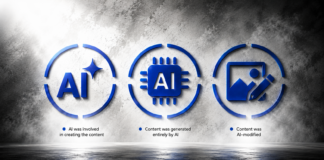
AI content disclosure – follow Europe’s lead?
Artificial Intelligence (AI) should be embraced, but deception should not be, and South African businesses should understand that Europe’s AI rules may apply even if they have no office in Europe.

Mission focus – does AI enable strategy or create distraction?
Artificial Intelligence (AI) has moved quickly from novelty to everyday business infrastructure. It now sits inside email platforms, document systems, customer service channels, finance tools and analytics environments, influencing how decisions are prepared and how work gets done.