




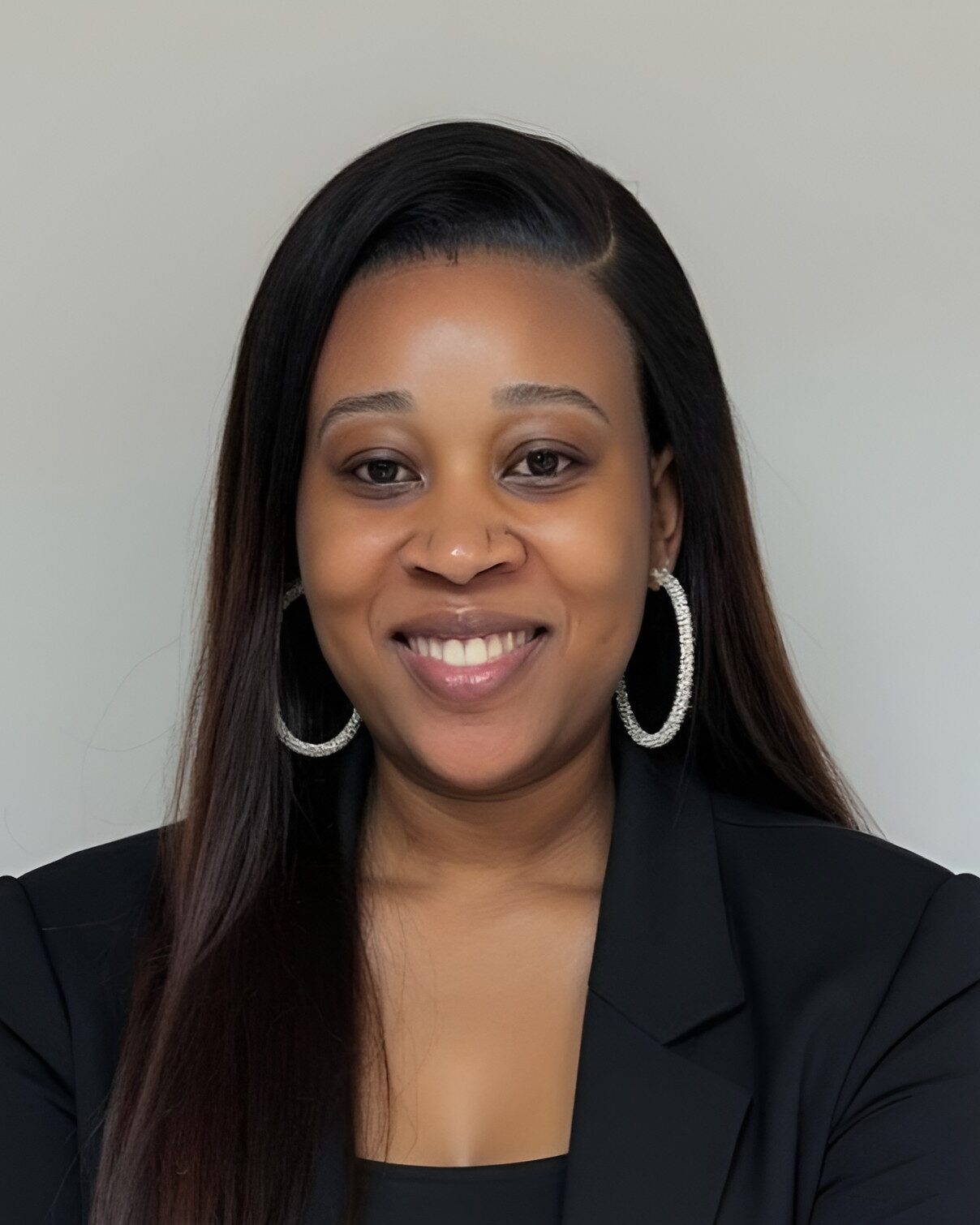
Vee Khoza | Franchise Enablement Manager | Consult by Momentum | mail me |
For millions of women, managing money means more than paying the bills. It means doing the invisible work of keeping a household on track. Often, they do this at the expense of their own financial future.
You’re halfway through the workday when you remember the school fees are due. While doing a quick grocery run on the way home, you do rapid mental sums. You need to make sure the food budget will last until payday if you treat the family to take-out tonight. Somewhere in between, you’re also wondering whether you need to update your medical cover. You’re also wondering if your mom might need a few rands this month.
In other words, just a regular Tuesday.
Welcome to life as a multitasking – and probably tired! – woman. For millions of South African women, managing money is just one more invisible job to do. They juggle it alongside their nine-to-five and caregiving duties.
In recent research by Momentum, 79% of women surveyed were the heads of their households and primary financial decision-makers. Meanwhile, 73% manage household finances entirely on their own. That job stretches further than just making sure bills are paid. It means anticipating what the family will need, from new school shoes to a car service. It also means supporting parents or extended family when needed. In fact, 44% of households now support multiple generations.
Women are making sure the budget stretches so everyone is taken care of. But who is taking care of them?
The cost of always making a plan
There is a financial cost to being the person everyone relies on. When money gets tight, you might dip into savings or put your own investment on hold. Time away from work to care for children or ageing parents can also affect your income and retirement savings. You make these choices out of love. However, when your money always goes towards what somebody else needs today, your own tomorrow can slowly slip down the list. Eventually, it can fall off completely.
Then there’s the mental load of keeping track of it all. You not only have to know when bills are due, but also make sure there’s money available. When so much attention goes towards keeping the household running, it’s easy to put long-term financial planning off until life settles down. Retirement contributions can wait for a better month. The emergency fund can be rebuilt later. But before you know it, the debit orders are pinging again.
For women carrying family finances, this constant responsibility can make their own financial needs feel secondary. Yet delaying those needs can have lasting consequences.
Advice should lighten the load
This is where the right financial adviser can help. Women who already make financial decisions every day do not need someone making money more complicated. Instead, they need advice that supports both the people who rely on them and their own future.
Yet only 4.1% of South African women use a certified financial adviser. Almost half of those who don’t use one say they would consider it if someone they trusted referred them. Women care about their money. However, they need advice that remains relevant to their reality.
A good adviser can help get that money to-do list out of your head and onto the table. If you support your parents, how much can you afford without compromising your retirement? If your salary keeps the household going, what happens if you can’t work? The answer might mean adjusting your cover or changing how you save. It could also mean recognising when supporting everyone else is costing you too much.
Sometimes, that means having someone willing to ask the uncomfortable questions. Can you really afford to keep supporting everyone? Are you adequately protected? Are you sacrificing your own retirement or long-term goals to meet everybody else’s needs today?
For women carrying family finances, these questions matter. Financial advice should not simply help them manage everyone else’s needs. It should also help them protect their own financial future.
Make sure you’re in the plan
This year, Momentum’s She Owns Her Success campaign focuses on a powerful idea: “Her Success Has a Number.” For women carrying so much of the financial responsibility at home, that number cannot simply be whatever is left once everybody else has been taken care of. Your future belongs in the calculation too.
That might start with something as simple as writing down what comes in, what goes out and who depends on you. Then, get advice on how to build a plan around real life.
If you have a partner, it also means sharing the financial load. Both of you should understand the household’s financial position. Do not leave the responsibility with whoever happens to be “better with money”.
Taking care of the people you love does not have to come at the expense of your own financial future. The right advice should make the load easier to carry. It should also help you plan for both.