





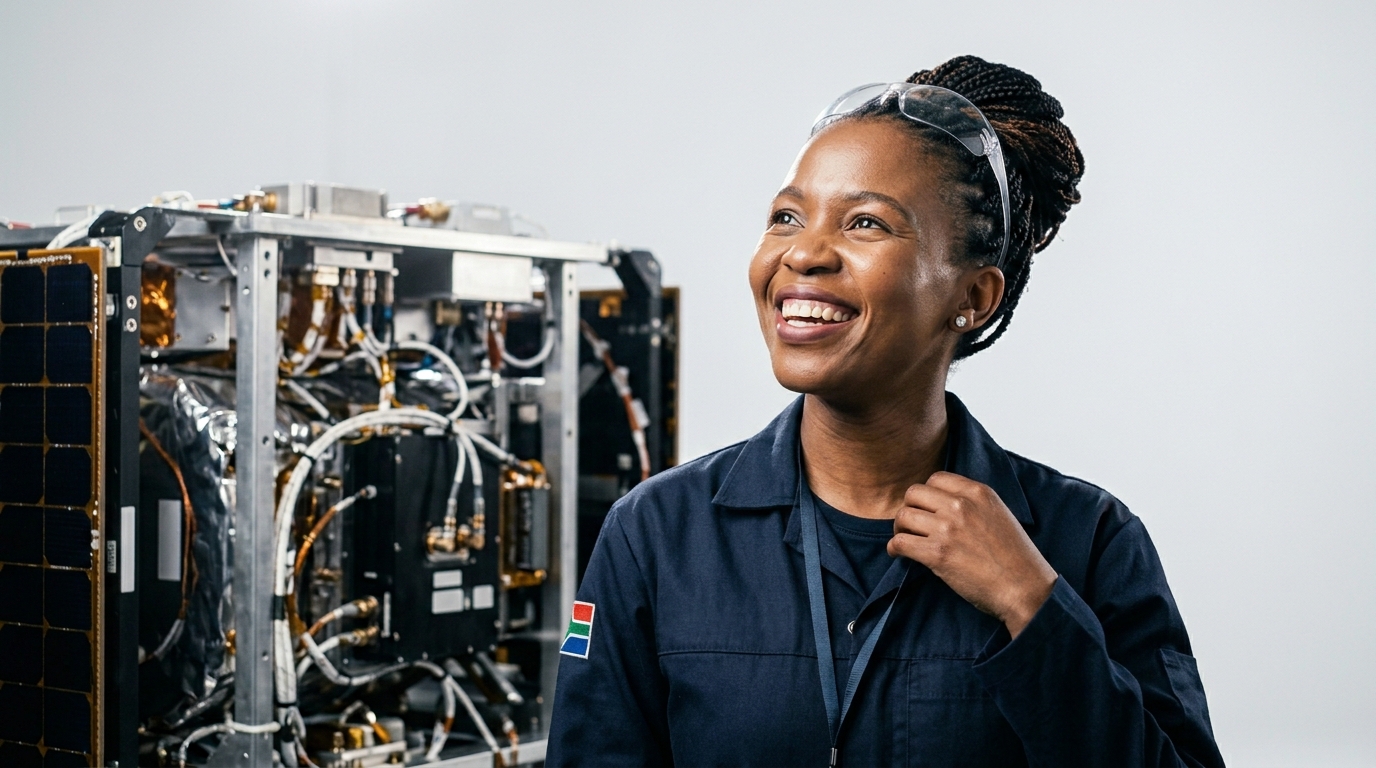
Aerospace engineering salaries in South Africa are usually strong by local engineering standards, but pay can vary widely by employer, specialisation, experience, and location. Current market sources place typical annual pay anywhere from roughly R145,000 to above R1 million, with mid-career averages often sitting around the mid-R400,000s to mid-R500,000s.
Key takeaways
- Aerospace engineering is a niche field in South Africa, so salary data can vary more than in larger professions.
- PayScale reports an average aerospace engineer salary of about R463,142 a year.
- Jobted estimates an average of about R540,825 a year, with higher-end earnings above R1.4 million.
- Indeed’s aeronautical engineer data points to about R68,250 per month, though this is based on a small sample.
- A recognised engineering degree and progression toward ECSA registration can support long-term earning potential.
What is the average aerospace engineering salary in South Africa?
There is no single fixed salary for aerospace engineers in South Africa. PayScale currently shows an average base salary of R463,142 a year, with a reported range from R145,000 to R1 million.
Jobted places the average higher, at R540,825 a year or roughly R45,070 per month, with a starting point around R365,900 and senior earnings that can exceed R1.4 million.
Indeed’s South African aeronautical engineer page shows an average of R68,250 per month, which annualises to roughly R819,000, but that figure appears to come from a very small number of salary reports. That makes it useful as a market signal, but less reliable as a broad national benchmark.
Why do salary figures vary so much?
Aerospace engineering is a specialist field. In South Africa, the number of roles is relatively limited, and titles can overlap with aeronautical, mechanical, systems, defence, avionics, propulsion, and design engineering roles. That means salary datasets often capture slightly different job mixes.
Location also matters. SalaryExpert data suggests aerospace engineering pay in Cape Town runs above the national average, while individual city-level figures on other platforms can swing sharply because of very small sample sizes.
Aerospace engineering salary ranges by career stage
Entry-level aerospace engineering salary
Entry-level pay will usually depend on whether you enter through graduate programmes, defence and aviation suppliers, research environments, or broader engineering roles. SalaryExpert’s aeronautical engineer data shows about R670,292 for entry-level professionals with one to three years of experience, while Jobted suggests a lower-end starting point from about R365,900.
In practice, graduates may start below experienced market averages until they build project exposure, software capability, and sector-specific experience. This is especially true in a niche field where fewer employers hire at scale.
Mid-career aerospace engineering salary
Mid-career aerospace engineers often move into better-paying design, systems, testing, manufacturing, or programme-linked roles. PayScale’s average of R463,142 is a useful midpoint for the profession as a whole, while Jobted’s R540,825 estimate suggests stronger earning potential once experience builds.
Senior aerospace engineering salary
Senior engineers, especially those involved in specialist design, leadership, defence-linked work, or advanced technical functions, can move into seven-figure territory. SalaryExpert estimates about R1,110,644 for senior aeronautical engineers, and Jobted says top salaries can exceed R1.4 million.
What affects aerospace engineering pay?
The main drivers are experience, technical specialisation, employer type, and registration status. Engineers working in highly specialised environments such as advanced design, testing, avionics, propulsion, or defence-related systems may earn more than those in general engineering roles. This is an inference based on how salary platforms separate aerospace, aeronautical, defence, and design-related roles.
Professional progression also matters. ECSA states that professional engineer registration typically requires an accredited BEng or BSc (Eng) qualification, practical training, experience reports, and a professional review process. That kind of progression can strengthen credibility and career mobility.
What qualifications do you need?
In South Africa, the usual route starts with a recognised engineering degree. The government’s guidance on professional registration says a recognised or accredited qualification such as a BSc (Eng) or BEng is a standard starting point for candidate registration.
Wits says its BScEng in Aeronautical Engineering is a four-year professional degree, and it describes the programme as the only accredited undergraduate aeronautical engineering degree on the African continent focused on full aircraft design.
For school learners, the Western Cape Government notes that English, Mathematics, and Physical Science are key subjects for entry into engineering study routes.
Is aerospace engineering a good career in South Africa?
It can be a strong career choice for people who enjoy advanced engineering, problem-solving, and highly technical work. The salary upside is attractive, but the field is smaller than civil, mechanical, or electrical engineering in South Africa, so opportunities may be more concentrated and competitive.
That said, aerospace skills can also transfer into adjacent sectors such as defence, manufacturing, systems engineering, simulation, and advanced mechanical design. This broader applicability can make the career more resilient than the narrow job title suggests. That is a reasoned inference from the overlap visible across job listings and salary categories.
FAQ: aerospace engineering salary
How much does an aerospace engineer earn in South Africa?
Current salary sources suggest averages ranging from about R463,142 to R540,825 a year, depending on the platform used. Some senior roles can go well above R1 million a year.
What is the starting salary for aerospace engineering in South Africa?
Starting pay varies, but available data suggests early-career earnings can begin from roughly R365,900 a year, while some entry-level estimates are higher depending on employer and specialisation.
Is aerospace engineering in demand in South Africa?
It is a specialist field rather than a mass-employment one. There are jobs in the market, but far fewer than in broader engineering disciplines, so demand is real but niche.
What degree do you need for aerospace engineering?
A recognised BEng or BSc (Eng) is the standard foundation for engineering registration in South Africa. Wits also offers a dedicated four-year aeronautical engineering degree.
Does ECSA registration matter for salary?
It can matter over time because professional registration supports credibility, progression, and access to more senior responsibility. ECSA sets out a formal path involving an accredited qualification, practical training, and professional review.
Sources
- PayScale – Average Aerospace Engineer Salary in South Africa
- Jobted – Aerospace Engineer Salary in South Africa
- Indeed South Africa – Aeronautical engineer salary
- ECSA – Professional Engineer
- ECSA – Registration requirements
- Government of South Africa – Register as a professional engineer
- Wits – Aeronautical Engineering
- Western Cape Government – Becoming an engineer