





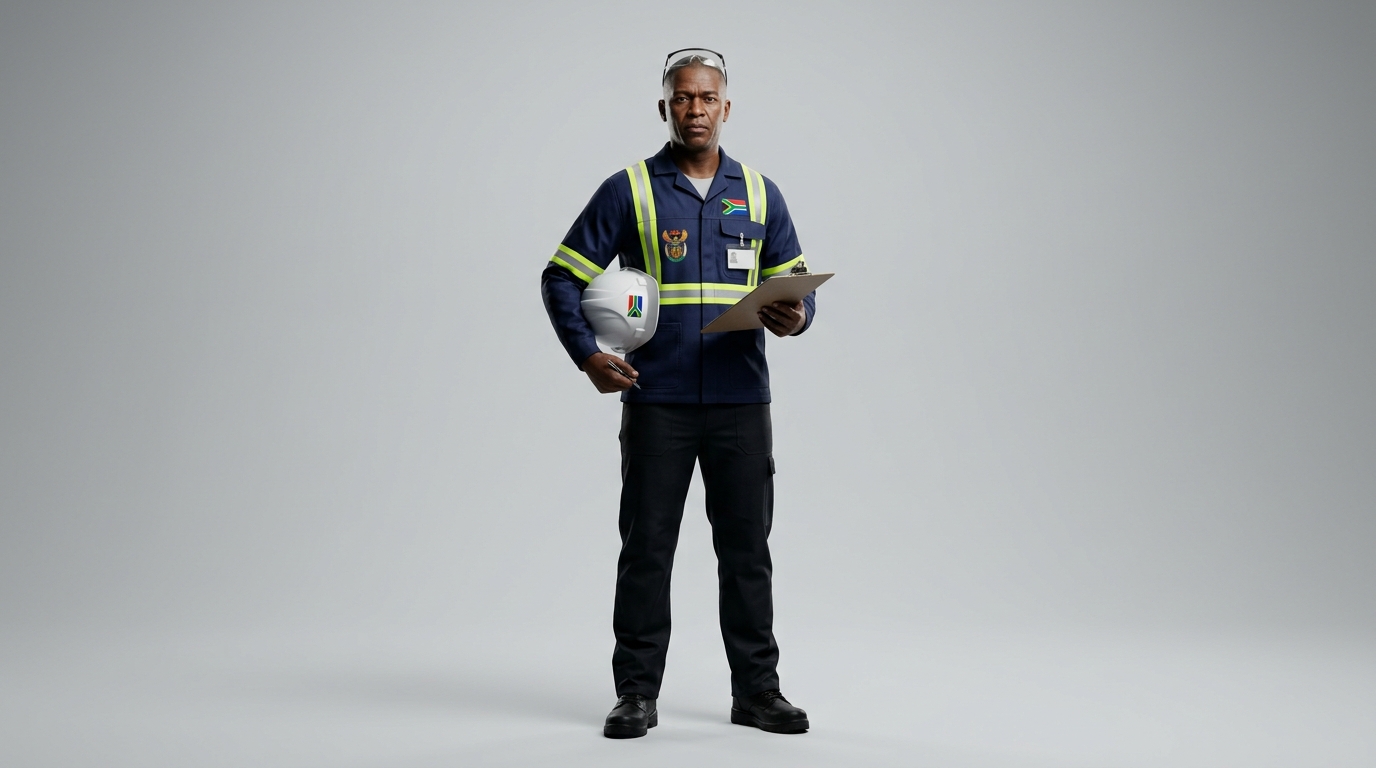
Health and safety officer salaries in South Africa vary depending on industry, experience, qualifications, and level of responsibility. Because workplace safety is a legal requirement under South African labour legislation, qualified health and safety officers are in steady demand across sectors such as construction, manufacturing, mining, logistics, and healthcare.
Key takeaways
- Health and safety officers play a critical role in ensuring workplace safety and legal compliance.
- Entry-level salaries typically range from R180,000 to R300,000 per year.
- Senior professionals and safety managers may earn over R700,000 annually.
- Industries such as mining and construction often offer higher salaries.
- Professional safety certifications can significantly increase earning potential.
A health and safety officer is responsible for ensuring that workplaces comply with safety regulations and that employees operate in environments that minimise risk and prevent accidents. The role combines regulatory compliance, risk management, and employee training to maintain safe working conditions.
Average health and safety officer salary in South Africa
Salaries for health and safety officers can vary widely depending on the size of the organisation and the complexity of the workplace environment.
Estimated health and safety officer salary ranges
- Entry-level health and safety officer – R180,000 – R300,000 per year
- Mid-level health and safety officer – R300,000 – R500,000 per year
- Senior health and safety officer – R500,000 – R700,000 per year
- Health and safety manager – R700,000 – R1,000,000+ per year
Entry-level officers typically begin in junior compliance roles. As they gain experience and additional certifications, they may progress into senior safety or management positions.
Factors that influence health and safety officer salaries
Several factors determine how much a health and safety officer earns in South Africa.
Industry sector
Some industries pay higher salaries due to greater operational risk.
These include:
- Mining
- Construction
- Manufacturing
- Energy and utilities
- Large-scale logistics operations
High-risk environments usually require stricter safety oversight and specialised expertise.
Experience level
More experienced safety professionals typically earn higher salaries because they can manage complex safety systems and compliance frameworks.
Professional certifications
Additional qualifications in occupational health and safety can significantly increase earning potential.
Common certifications include:
- National Diploma in Safety Management
- SAMTRAC (Safety Management Training Course)
- NEBOSH International General Certificate
- ISO health and safety management training
Company size
Larger organisations often require more formal safety systems and full-time compliance teams, which can lead to higher salaries.
Typical duties of a health and safety officer
Health and safety officers ensure that organisations comply with safety laws and prevent workplace injuries.
Common responsibilities include:
- Conducting workplace safety inspections and risk assessments
- Ensuring compliance with safety legislation
- Investigating workplace incidents and accidents
- Developing safety policies and procedures
- Providing safety training to employees
- Monitoring hazardous conditions and implementing corrective actions
- Maintaining records of safety incidents and compliance activities
These duties help organisations reduce accidents, protect employees, and meet regulatory obligations.
Education and training requirements
Most employers expect health and safety officers to have formal training in occupational health and safety.
Typical requirements include:
- Grade 12 (matric)
- A diploma or certificate in occupational health and safety
- Industry-recognised safety certifications
- Knowledge of workplace safety legislation
Many employers also prefer candidates who have completed practical training programmes or internships in safety management.
Relevant legislation for workplace safety
Health and safety officers help organisations comply with several important South African laws.
The most significant legislation includes:
- Occupational Health and Safety Act (OHSA)
- Mine Health and Safety Act
- Compensation for Occupational Injuries and Diseases Act (COIDA)
- Various industry-specific safety regulations
Understanding these regulations is essential for maintaining legal compliance and protecting employees.
Career progression in health and safety
Health and safety professionals can build long-term careers in compliance and risk management.
Typical career paths include:
- Junior health and safety officer
- Health and safety officer
- Senior safety officer
- Health and safety manager
- Risk and compliance director
Some professionals also move into consulting roles, advising multiple organisations on safety compliance and risk management strategies.
Benefits of working in occupational health and safety
In addition to base salary, health and safety officers may receive several employment benefits:
- Medical aid contributions
- Pension or retirement fund contributions
- Bonuses linked to safety performance
- Professional training opportunities
- Career stability due to regulatory demand
As workplace safety regulations continue to evolve, demand for qualified safety professionals remains strong.
FAQ: Health and safety officer salary
How much does a health and safety officer earn in South Africa?
Health and safety officers typically earn between R180,000 and R500,000 per year depending on experience, qualifications, and industry.
Which industries pay the highest safety officer salaries?
Mining, construction, and heavy manufacturing often pay the highest salaries due to higher workplace risks and stricter safety requirements.
What qualifications are needed to become a health and safety officer?
Most employers require a certificate or diploma in occupational health and safety along with recognised industry training.
Can health and safety officers advance to management roles?
Yes. With experience and additional qualifications, safety officers may become health and safety managers or compliance directors.
Is there strong demand for health and safety officers?
Yes. Because safety compliance is required by law, most medium and large organisations require qualified health and safety professionals.
Sources
- Department of Employment and Labour
- PayScale salary data
- Indeed South Africa salary insights
- South African Institute of Occupational Safety and Health