





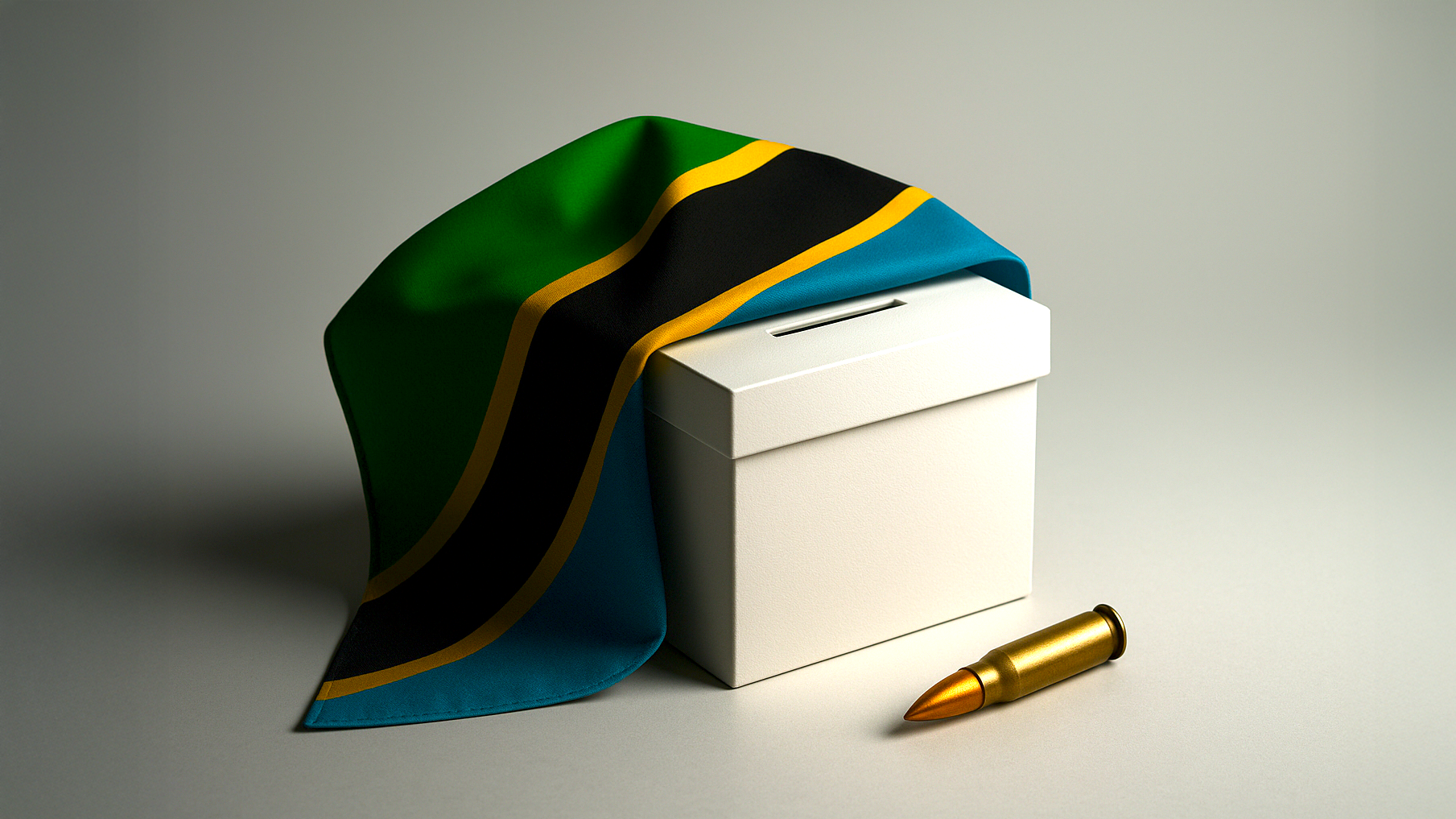
The recent general election in Tanzania has been marred by bloodshed and allegations of widespread electoral fraud, sparking international concern over the deteriorating human rights situation in the East African nation. What began as a contested presidential poll has rapidly escalated into one of the most violent political crises in Tanzania’s post-independence history, with opposition groups and human rights organisations reporting hundreds of deaths.
President Samia Suluhu Hassan’s landslide re-election victory has been overshadowed by reports of security forces using lethal force against protesters who dispute the legitimacy of the results. The violence has sent shockwaves throughout the region and prompted urgent calls from the international community for accountability and democratic reform.
Disputed election results trigger nationwide protests
The October 29th presidential election saw incumbent President Samia Suluhu Hassan of the ruling Chama Cha Mapinduzi (CCM) party declared the winner with an overwhelming 98% of the vote. However, opposition parties immediately rejected the results, citing systematic voter suppression and electoral manipulation.
The main opposition party CHADEMA has been at the forefront of challenging the election outcome. Party officials report that major opposition candidates were barred from contesting, effectively eliminating any meaningful electoral competition and turning what should have been a democratic exercise into a predetermined outcome.
Spontaneous protests erupted in multiple cities across Tanzania following the announcement of results. Demonstrators took to the streets in Dar es Salaam, Arusha, Mbeya, Mwanza, Tunduma, and Kahama, demanding accountability and fresh elections under international supervision.
Death toll from security crackdown remains disputed
The human cost of the post-election violence has been staggering, though exact figures remain difficult to verify. Opposition sources claim that as many as 800 people have been killed in the government crackdown on protests, whilst diplomatic sources have suggested the death toll could exceed 500.
Security forces have been accused of using excessive force, including live ammunition, against largely peaceful demonstrators. Eyewitness accounts describe police and military personnel firing directly into crowds, leading to numerous casualties that hospitals have struggled to accommodate.
In border areas near Kenya, protesters fleeing the violence have reported being targeted with stun grenades and live rounds. Some Tanzanian citizens have sought refuge across the border in Kenyan towns such as Namanga, where they have recounted harrowing experiences of the brutal suppression.
Pattern of enforced disappearances and torture
Beyond the immediate violence of the election period, human rights organisations have documented a broader pattern of state repression in Tanzania. Reports indicate that more than 250 cases of enforced disappearances have been recorded in recent months, with over 55 individuals forcibly disappeared, tortured, or murdered in the three weeks surrounding the election.
Amnesty International has released a report titled “Wave of Terror Sweeps Across Tanzania,” detailing systematic abuses including arbitrary detention, torture, sexual violence, and extrajudicial killings. The organisation has characterised the situation as a comprehensive assault on civil liberties and political opposition.
Dissenting voices, including journalists, civil society activists, and opposition politicians, have been specifically targeted. Many have gone into hiding or fled the country to escape persecution, whilst others remain unaccounted for with their families desperately seeking information about their whereabouts.
International observers absent from electoral process
The credibility of Tanzania’s election has been further undermined by the notable absence of international election observation missions. Several European nations, including Belgium, Sweden, Germany, and Ireland, withdrew their observer delegations citing concerns about the integrity of the electoral process and safety considerations.
The United States has maintained a monitoring presence but declined to deploy official election observers. The European Union similarly opted for only a minimal “DiploWatch” presence rather than a full observation mission, an unprecedented move that signals deep scepticism about the legitimacy of the electoral exercise.
This lack of international scrutiny has emboldened concerns that the election was conducted without adequate safeguards against fraud and manipulation. Human rights groups have described Tanzania’s democratic institutions as having undergone systematic dismantling, leaving the country with what one organisation termed “a crackdown disguised as democracy.”
Popular anger targets regime supporters
The intensity of public anger has manifested in attacks on property and businesses associated with the ruling party and its supporters. Protesters have torched police stations, destroyed ballot boxes, and set fire to vehicles belonging to CCM officials in multiple locations.
High-profile entertainers who publicly supported President Hassan’s campaign have also faced consequences. Artists including Diamond Platnumz, Zuchu, and Bill Nas have reportedly had their homes and businesses attacked by demonstrators who view them as complicit in legitimising an illegitimate election.
These attacks reflect a broader sense of betrayal felt by many Tanzanians who believe that influential public figures should have used their platforms to demand free and fair elections rather than endorsing a flawed process.
Regional implications and youth-led movements
The unrest in Tanzania is not occurring in isolation but forms part of a broader wave of youth-led protest movements sweeping across Africa. Often referred to as “Gen Z” movements, these demonstrations reflect growing frustration amongst young Africans with entrenched political systems, corruption, and lack of economic opportunities.
Similar movements have recently emerged in Kenya, Uganda, and other East African nations, suggesting a regional awakening of political consciousness amongst younger generations who are increasingly willing to challenge authoritarian practices.
The Tanzania election marred by bloodshed has thus become a focal point for broader questions about democratic governance, human rights, and the future of political participation across the continent. International observers are watching closely to see whether the violence will lead to meaningful reform or further entrenchment of authoritarian rule.
Calls for international intervention grow louder
Human rights organisations and opposition groups have issued urgent appeals for international intervention to halt the violence and hold perpetrators accountable. Calls have been made for the African Union, United Nations, and regional bodies to investigate the killings and pressure the Tanzanian government to respect human rights and democratic norms.
Some activists have specifically requested targeted sanctions against officials responsible for ordering or carrying out attacks on civilians. There are also demands for the International Criminal Court to examine whether crimes against humanity have been committed during the post-election crackdown.
The international community faces a delicate balancing act between maintaining diplomatic relations with Tanzania whilst also responding to credible reports of serious human rights violations. How external actors respond in the coming weeks may significantly influence whether the situation deteriorates further or begins to stabilise.
As Tanzania grapples with this profound political crisis, the world watches to see whether dialogue and accountability will prevail or whether the country will descend further into authoritarian rule marked by violence and repression. The Tanzania election marred by bloodshed serves as a stark reminder that democratic progress cannot be taken for granted and requires constant vigilance and protection.
Sources
- BBC News – Tanzania election coverage
- Al Jazeera – Inside Story: What’s driving unrest in Tanzania after president’s landslide re-election