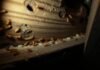





Bed bugs are visible to the naked eye. Adult bed bugs are about 5 to 7 millimeters long, similar to an apple seed. They are oval-shaped and have a reddish-brown color. This makes them easier to see than their tiny, almost transparent nymphs.
The eggs of bed bugs are very small, about the size of a pinhead. They can be hard to spot without a magnifying glass. Adult bed bugs are easy to identify, but their eggs are not.
Spotting bed bugs early is key to controlling infestations. These pests can spread quickly and become hard to get rid of. Knowing how to spot bed bugs can help you act fast to stop an infestation.
Key takeaways
- Adult bed bugs are typically 5-7 mm in length, similar to the size of an apple seed.
- Newly hatched bed bug nymphs are smaller and almost transparent, making them harder to spot.
- Bed bug eggs are tiny white specks, about the size of a pinhead, requiring magnification to identify.
- Early detection of bed bugs is essential for effective control and prevention of infestations.
- Visual inspection and understanding bed bug size and appearance can help with identification.
Understanding Bed Bugs – An Overview
Bed bugs are a common pest in homes. They are tiny, reddish-brown insects that hide in cracks and mattress seams. Knowing about bed bugs is key to getting rid of them.
What Are Bed Bugs?
Bed bugs are small, wingless insects that feed on human blood. They are about the size of an apple seed. These pests are active at night, looking for their next meal.
Typical Behavior and Habitats
Bed bugs are drawn to human carbon dioxide and heat. They can walk and climb but can’t fly or jump. During the day, they hide in places like mattress seams and bed frames.
Why Accurate Identification Matters
Spotting bed bugs early is important for treatment. They can be mistaken for other pests, leading to wrong treatments. Knowing what bed bugs look like helps in identifying them and solving the problem.
In summary, bed bugs are small, nocturnal insects that feed on human blood. They hide in various places in the home. Spotting and identifying them is crucial for effective control and prevention.
Size and Appearance of Bed Bugs
Bed bugs are small but can cause big problems. Knowing their size and looks is key to spotting and stopping them. Let’s explore bed bug sizes, colors, and how they change as they grow.
Measurements – How Big Are Bed Bugs?
Adult bed bugs are about 5-7 mm long, or 3/16 – 1/4 inch. Even though they’re small, young nymphs are almost invisible if they haven’t eaten. These tiny bugs can be as small as 1 mm, making them hard to see.
Color and Texture Characteristics
Bed bugs have flat, oval bodies that get longer and darker after eating blood. They smell musty-sweetish due to glands on their lower side. Their eggs are tiny, white specks, about the size of a pinhead, and need a magnifying glass to see.
The Life Cycle – Size Changes Over Time
Bed bugs go through five stages before becoming adults, shedding their skin each time. As they grow, they become more visible. Bed bug poop looks like small, dark spots, and their bites are small, red, itchy spots in a line or cluster.
“Bed bugs hide in small cracks and crevices near humans, like behind baseboards and in furniture. They’re found in many places where people gather, including homes, hotels, schools, offices, stores, and public transport.”
It’s important to correctly identify bed bugs, as they can look like fleas or ticks. If you think you have bed bugs, call a pest control service for a detailed check and treatment.
Detection Techniques for Bed Bugs
Finding bed bugs can be hard, but using the right methods is key. Visual checks are important because bed bugs are easy to see. Look closely at mattress seams, bed frames, headboards, and nearby furniture for signs of bed bugs, eggs, shed skins, or fecal spots. Use a flashlight to check cracks and crevices where bed bugs hide.
Visual Inspection: What to Look For
Watch for dark spots on mattresses, rusty or reddish stains on bed sheets, and a sweet, musty smell. Also, look for unexplained bite marks, blood smears on sheets, and bed bug groups. These signs can help you spot bed bugs early.
Using Technology – Bed Bug Detection Tools
Technology can also help find bed bugs. Bed bug monitors and traps attract and capture these pests. By placing these tools in key spots, you can understand the problem better. This helps guide your bed bug control efforts.
Signs of Infestation You Should Not Ignore
Stay alert and regularly check your space for bed bugs. Don’t ignore signs like bite marks, blood stains, or live bugs or eggs. Quick action and professional help can stop bed bugs from spreading. This helps protect your health and quality of life.
| Bed Bug Size | Bed Bug Lifespan | Bed Bug Feeding Habits |
|---|---|---|
| The average adult bed bug size is similar to that of an apple seed, ranging from 1/4 to 3/16 of an inch in length. | Bed bugs have a lifespan commonly ranging from four to six months, but can survive over a year without feeding when in a dormant state. | Bed bugs are nocturnal and do most of their feeding around 4 a.m. They predominantly feed on humans but can also target pet dogs, cats, and birds in extreme infestations. |
Conclusion: Taking Action Against Bed Bugs
Adult bed bugs are usually easy to see, but they can hide well. Bed bug visibility changes with their age and hunger. This makes it key to check your home well to catch them early.
When to Call a Professional
If you think you have bed bugs, call a pest control service. They use special methods like dogs and heat to get rid of them. Their skills are crucial, especially for big infestations or when you can’t fix it yourself.
Preventative Measures for Your Home
Stopping bed bugs before they start is easier and cheaper. Check your home often, use mattress covers, and don’t clutter. Also, be careful with travel items and second-hand goods. These steps help catch bed bugs early and keep them away.
Final Thoughts on Bed Bug Visibility
Bed bugs are small and hard to spot, especially at first. Knowing what they look like and checking your home often helps. Taking action, whether by yourself or with help, keeps your home free from bed bugs.
FAQ: Can You See a Bed Bug with Your Eyes
Can you see a bed bug with your eyes?
Yes, you can see adult bed bugs with your eyes. They are about 5 millimeters long, like an apple seed. Their oval-shaped, reddish-brown bodies are easy to spot.
What does a bed bug look like?
Bed bugs have flat, oval bodies that get longer and darker after they eat. They are reddish-brown. The tiny nymphs are almost invisible, making them hard to find.
How can I identify bed bugs visually?
Look for their flat, oval bodies and reddish-brown color. Also, check for bed bug eggs, fecal spots, and shed skins. Eggs are tiny white specks that need a magnifying glass to see.
How big are bed bugs?
Adult bed bugs are 5-7 mm long. The tiny nymphs are just 1 mm. Their size changes as they grow and eat.
How can I spot bed bugs?
Check mattress seams, bed frames, headboards, and furniture for live bugs and signs. Look for dark spots, rusty stains, and a sweet smell.
What do bed bug bites look like?
Bed bug bites are small, red, itchy spots. They often line up or cluster on exposed skin.
Where do bed bugs hide?
Bed bugs hide in mattress seams, bed frames, and box springs during the day. They are drawn to carbon dioxide and body heat.
Source Links
- https://www.trulynolen.ca/can-you-see-bed-bugs-with-human-eye/
- https://www.pestworld.org/pest-guide/bed-bugs/bed-bugs/
- https://www.abchomeandcommercial.com/blog/bed-bug-size/
- https://www.healthline.com/health/can-you-see-bed-bugs
- https://www.vdacs.virginia.gov/pdf/bb-identify1.pdf
- https://www.milbergerpestcontrol.com/can-you-see-bed-bugs-with-the-naked-eye/
- https://www.bettercallbugtech.com/can-you-see-bed-bugs-with-naked-eye/
- https://www.orkin.com/pests/bed-bugs
- https://www.raid.com/en-US/education/bug-basics/how-to-get-rid-of-bed-bugs
- https://www.quebec.ca/en/housing-territory/healthy-living-environment/recognising-bed-bugs-and-preventing-infestation
- https://www.ondemandpestcontrol.com/are-bed-bugs-visible-to-the-naked-eye/
- https://pest.co.uk/can-you-see-bed-bugs/