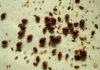





Most people think termites only eat wood, but they’re wrong. Termites can eat many things because they can break down cellulose. This is the main part of plant cell walls. They can even eat things you wouldn’t think of, like household items and outdoor targets.
Knowing what termites can eat helps you protect your home. It keeps your belongings safe from these tiny pests.
Key takeaways
- Termites primarily feed on wood due to its cellulose content, not concrete.
- Pressure-treated lumber and oriented strand board (OSB) are less attractive to termites.
- Termites can infest live trees, consume paper, cardboard, and even clothing made from natural fibers.
- While termites can’t eat plastic, they can chew through thin barriers to reach food sources.
- Termites’ diverse diet includes a wide range of cellulose-rich materials, posing a threat to both indoor and outdoor structures.
Termites’ Diverse Dietary Habits
Termites have a big appetite, but they eat more than just wood and plants. They can eat a lot of different things. This shows how adaptable and clever they are.
Unexpected Food Sources for Termites
Termites mostly eat cellulose, a key part of plants. But they also eat things like paper, cardboard, and even insulation. They even eat money, books, clothes, and carpets. This shows how varied their diet can be.
Termites can eat so many different things because of their special gut. They have tiny helpers in their stomach that help them digest tough plant materials. This lets them get nutrients from wood and other items in your home.
| Termite Food Source | Description |
|---|---|
| Cellulose-rich Plant Materials | Wood, paper products, cotton fabrics, dry leaves, etc. |
| Unexpected Household Items | Money, books, clothing, carpets, drywall, insulation |
| Construction Materials | Lumber, particle board, vinyl siding, mortar |
Knowing what termites eat is important for keeping your home safe. It helps you find where they might get in. And it helps you find ways to keep them out and protect your stuff.
Can Termites Eat Concrete?
Many think termites can eat through concrete, but it’s a myth. Termites cannot actually consume solid, intact concrete. But, they can damage concrete structures by finding small cracks and crevices.
Termites are experts at finding tiny openings in concrete. Subterranean termites, the most common in the U.S., are especially good at this. They use their strong jaws and saliva to make tunnels, weakening buildings over time.
The harm termites cause can be huge. Termites cause over $5 billion in damage in the U.S. each year, and most insurance doesn’t cover repairs. It’s crucial to spot and deal with termite signs quickly to avoid big problems.
“Termites can find cracks in brick and concrete to get to the wood in your home.”
Termites might not eat concrete, but they can still harm buildings. Homes on concrete slabs are more vulnerable to termites than older homes on piles. It’s important to seal entry points and get regular termite checks to catch infestations early.
In short, termites can’t eat solid concrete, but their tunneling can cause serious damage. Homeowners need to stay alert to protect their homes from these pests. Ignoring termite problems can lead to expensive and complex repairs.
Termites’ Unique Digestive System
Termites have a special digestive system that lets them eat wood and other plant materials. They can do this because of a partnership with tiny living things in their gut.
Inside their digestive system, termites have tiny creatures that help break down cellulose. This turns tough plant stuff into simple sugars. The termites can then use these sugars for energy and to grow. This amazing digestive system is why termites can eat things that most animals can’t. It makes them great at breaking down plants and a big problem for our homes.
The Symbiotic Relationship with Gut Microorganisms
Termites need a special mix of microbes in their gut to work their termite digestive system and termite cellulose digestion. These microbes help turn the cellulose in their food into nutrients. This is key for the termites to get the nutrients they need.
- Research shows some termites have up to 200 different types of microbes in their gut.
- The relationship between termites and their gut microbes is vital for their survival.
- Without these microbes, termites can’t digest cellulose and would starve.
This amazing digestive system is why termites are so good at breaking down plants. It’s also why they’re such a problem for us. Learning about the termite digestive system helps us find ways to stop them from taking over our homes.
“Termites are remarkable creatures, capable of breaking down the toughest plant materials thanks to their symbiotic relationship with gut microorganisms. This unique digestive system is both fascinating and frustrating for those of us trying to protect our homes from these persistent pests.”
Preventing and Treating Termite Infestations

It’s important to watch for signs of termites to protect your home. Look for discarded wings, mud tubes, damaged wood, and small droppings. If you see these signs, call a pest control service right away.
Experts will inspect your home to find out how bad the problem is. They’ll then create a plan to treat the termites. This might include soil treatments, bait systems, or fumigation. To keep your home safe, also reduce moisture and seal entry points.
Termites can’t eat concrete, but they can harm your home’s wood. So, it’s key to prevent and treat termite problems early.
| Termite Infestation Prevention | Termite Treatment Methods |
|---|---|
|
|
Act fast and get help from termite control experts to protect your home. This way, you can prevent and treat termite problems effectively.
“Termite damage can be devastating, but with the right prevention and treatment methods, you can safeguard your home and investment.”
Conclusion
Termites may be small, but they can cause big problems if not stopped. They love to eat wood, but they also munch on paper, clothes, and even concrete and money. Knowing what they eat and how they digest it is key to keeping them away.
Act fast if you see any signs of termites. Call in the experts to save your home and stuff. Keeping termites out is crucial for your property’s safety.
Dealing with termites early can save you a lot of money and hassle. Stay alert and take action to keep your home safe. This way, you can enjoy your home without worry for many years.
FAQ: Can termites eat concrete?
Can termites eat concrete?
Termites can’t eat concrete directly. But, they can find tiny cracks to tunnel through. This can cause damage over time. They won’t eat solid concrete but might use it to get to wood or drywall.
What unexpected items can termites eat?
Termites love cellulose, found in plants. So, they eat flowers and paper products. They can also go through drywall and insulation to find food.
They even eat things like money, books, and carpet because of their cellulose.
How do termites have the ability to break down cellulose?
Termites can break down cellulose thanks to tiny helpers in their gut. These helpers, called protozoa, make enzymes. These enzymes break down cellulose into sugars that termites can use for energy.
What are the signs of a termite infestation?
Look for discarded wings, mud tubes, and damaged wood. Also, watch for small, pellet-like droppings. If you see these signs, call pest control fast.
They’ll check the damage and come up with a plan to fix it.
How can I prevent and treat a termite infestation?
To stop termites, keep your place dry and seal up holes. Call pest control for help. They might use soil treatments, baits, or fumigation.
Keep up with follow-ups and prevention to protect your home long-term.
Source Links
- https://todayshomeowner.com/pest-control/guides/what-do-termites-eat/
- https://www.smithereen.com/blog/surprising-things-termites-eat/
- https://termitemd.com/what-do-termites-eat-discover-their-diet-and-home-damage/
- https://www.orkin.com/pests/termites
- https://sergiospestcontrol.com/termites/
- https://www.orkin.com/pests/termites/damage/termite-foundation-damage
- https://www.termitetreatmentsbrisbane.com.au/post/are-brick-homes-safe-from-termites
- https://www.michepestcontrol.com/blog/2022/october/what-do-termites-eat-/
- https://www.howtolookatahouse.com/Blog/Entries/2018/9/do-termites-eat-concrete.html
- https://holderpest.com/blog/3-building-materials-that-do-not-require-termite-control/
- https://www.pestresources.com/can-termites-eat-through-concrete/
- https://content.ces.ncsu.edu/termite-prevention-approaches-for-new-construction
- https://www.blueskypest.com/blog/areas-where-termite-damage-occurs/
- https://ask2.extension.org/kb/faq.php?id=348879