





Tag: InformationSecurity
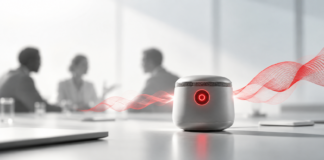
AI notetakers – can convenience cost confidentiality?
Every meeting is now recorded and transcribed by an Artificial Intelligence (AI) notetaker, but nobody knows where the files reside or who has copied them. In August 2026, Dark Reading discovered a vulnerability in tl;dv’s backend. It allowed an authenticated user to access meeting information belonging to other customers. The vulnerability put more than 180,000 meeting records across 80,000 or more users at risk.

AI security risks – is data protection keeping pace?
As businesses accelerate the use of generative AI tools, cybersecurity teams face a growing reality. Traditional Data Loss Prevention (DLP) controls were never designed for the way employees now use Artificial Intelligence (AI). For years, DLP strategies focused on monitoring structured data. They tracked information moving through predictable channels such as email, USB devices, printing, and file transfers.

Trust has become the new attack surface
Attackers aren’t breaking in; they’re being invited, and the invitations are being written by the business. The easiest way to install malware on a business network is to persuade someone inside the business to do it. Attackers don’t always need to bypass the firewall or exploit a zero-day vulnerability. Sometimes, all it takes is a convincing email, a moment of misplaced confidence and trust.

Cybersecurity compliance demands faster patching
Regulatory compliance in cybersecurity is no longer an administrative chore that organisations can treat as an afterthought. As digital ecosystems expand, threat actors are leveraging automation, Artificial Intelligence (AI)-driven reconnaissance and supply-chain attack vectors. Consequently, governments are moving from advisory guidelines to enforceable directives.

Cybersecurity as an exercise in risk tolerance
South African businesses have evolved alongside the reality of the country’s physical infrastructure challenges. Organisations instinctively build redundancies for power. These include solar installations, battery backup solutions, UPS systems and generators. When the grid fails, the failover system kicks in. Similarly, most businesses have multiple connectivity failovers because they understand operational disruption intimately.
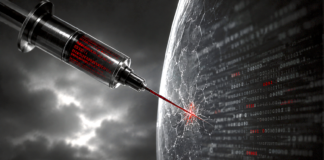
Why prompt injection is becoming the new phishing
In biology, a virus does not always destroy a cell from the outside. Instead, it injects genetic instructions into the host. It then hijacks the cell’s internal machinery. This process produces more viruses. In the digital world, prompt injection follows a similar logic. It operates with stealth and precision.

Navigating POPIA in a digitally borderless world
In South Africa, the Protection of Personal Information Act (POPIA) is reshaping how organisations handle personal data, both locally and across borders. For businesses operating internationally, the challenge extends beyond compliance. They must also reconcile POPIA with global standards such as the EU’s General Data Protection Regulation (GDPR).