




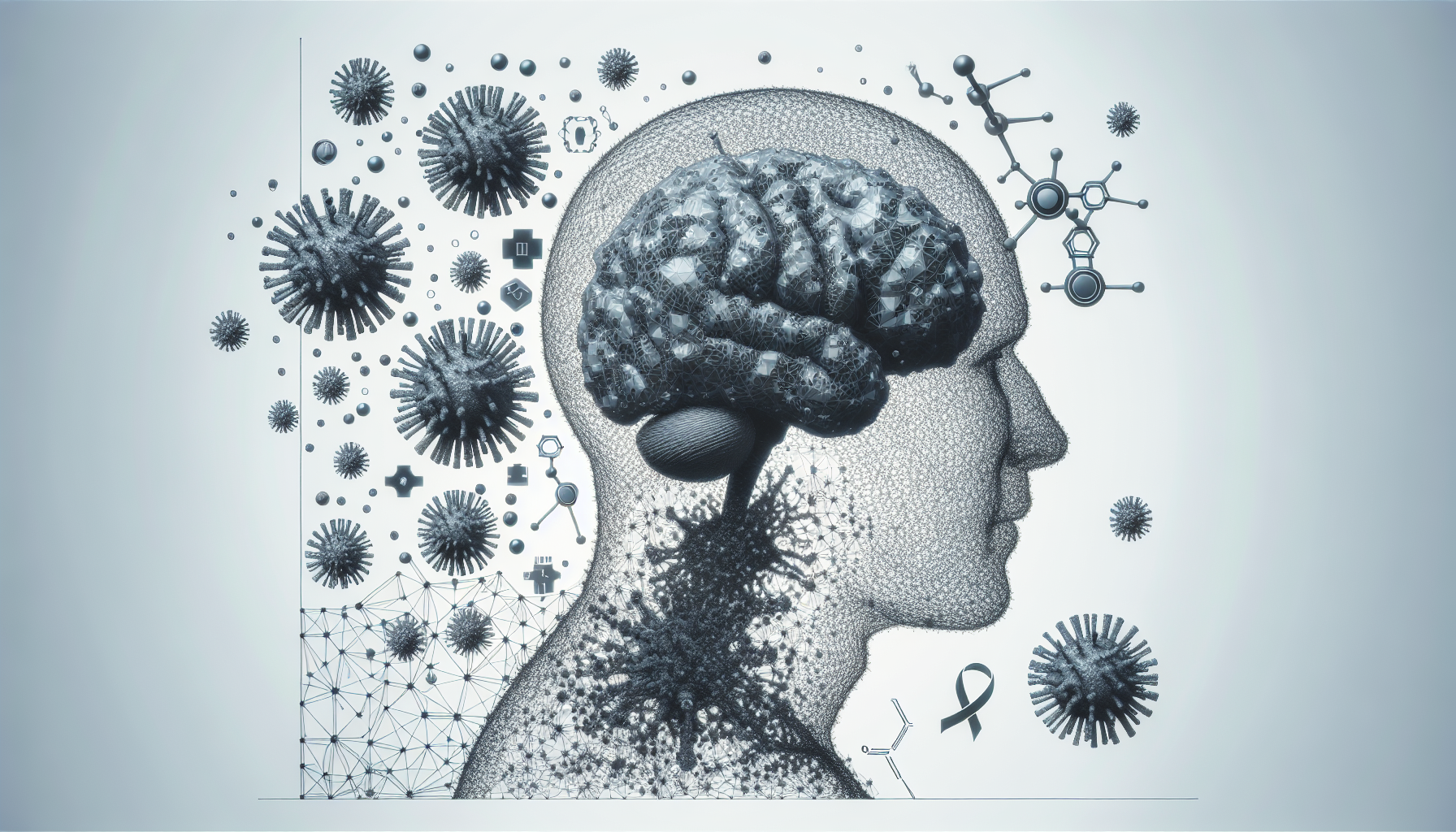
The devastating impact of Alzheimer’s disease continues to affect millions worldwide, prompting researchers to investigate potential triggers and risk factors. Recent breakthrough studies have revealed a surprising connection between common viral infections and the development of this neurodegenerative condition, offering new hope for prevention and treatment strategies.
Understanding the Viral Connection
Scientists have discovered that herpes simplex virus type 1 (HSV-1), which affects approximately 3.7 billion people globally, may play a significant role in Alzheimer’s disease progression. This common virus, known for causing cold sores, can remain dormant in the nervous system for decades before potentially contributing to neurodegeneration.
How Viruses Impact Brain Health
The relationship between viral infections and Alzheimer’s involves complex mechanisms within the brain. When HSV-1 reactivates, it triggers a cascade of events that can accelerate cognitive decline:
- Activation of dormant genetic elements
- Increased inflammation in brain tissue
- Accumulation of harmful protein deposits
- Disruption of normal neural communication
Risk Factors and Prevention
Several factors can increase the likelihood of virus-related Alzheimer’s development:
- Presence of the APOE4 gene variant
- History of repeated viral infections
- Chronic stress and immune system weakness
- Advanced age and compromised blood-brain barrier
Promising Treatment Approaches
Understanding the viral connection to Alzheimer’s has opened new therapeutic possibilities. Researchers are exploring several treatment strategies:
- Antiviral medications targeting HSV-1
- Anti-inflammatory interventions
- Early detection and prevention protocols
- Combination therapies addressing both viral and traditional Alzheimer’s pathways
Looking to the Future
The link between viral infections and Alzheimer’s disease represents a significant breakthrough in our understanding of this devastating condition. As research continues, new preventive measures and treatments may emerge, offering hope to millions affected by Alzheimer’s worldwide.