




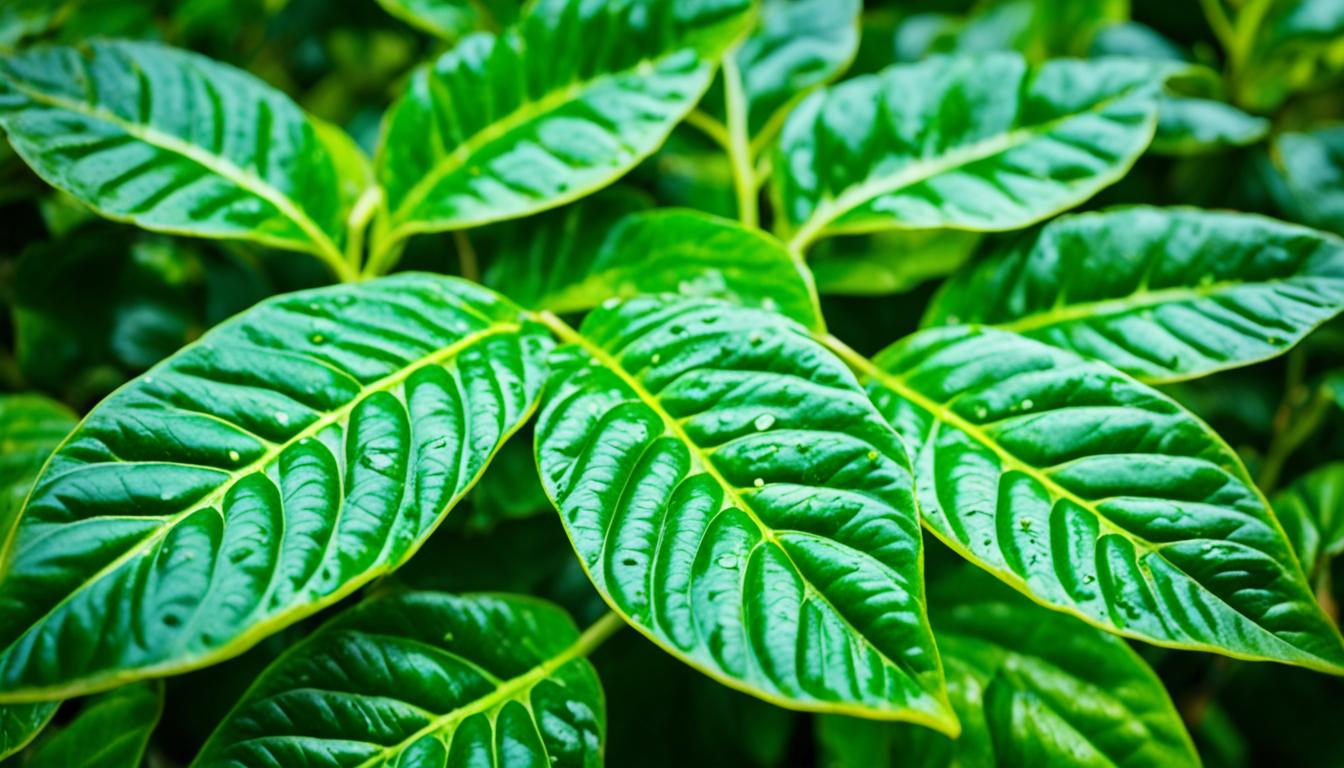
Coffee trees have long, waxy leaves and can grow up to 15 feet tall indoors. But, getting them to grow that tall is hard. Most coffee plants grown inside are 3-6 feet tall. These plants are the same ones that make the coffee beans you love, but they won’t give you enough beans for your coffee at home.
Still, coffee plants are great houseplants. They look beautiful and lush. If you take good care of them, they can make your home feel like a tropical paradise.
Key takeaways
- Coffee plants can grow up to 15 feet indoors, but typically reach 3-6 feet as houseplants.
- Indoor coffee plants are unlikely to produce enough beans for homegrown coffee, but make beautiful and lush houseplants.
- Proper coffee plant care, including attention to lighting, soil, watering, and more, is essential for a thriving indoor coffee plant.
- Coffee plants communicate their needs through drooping and dull leaves, so monitoring your plant’s appearance is crucial.
- With the right care and attention, your indoor coffee plant can bring a touch of the tropics to your home.
Introduction to the Coffee Plant
Origins and Characteristics
The coffee plant comes from Ethiopia’s lush highlands. It’s a top crop worldwide. It has shiny green leaves and grows well indoors. Outdoors, it can become a medium-sized tree, but indoors, it’s pruned to fit your home.
All parts of the coffee plant are toxic, except the beans. This makes it different from other houseplants. It needs special care to be safe with people and pets.
“The coffee plant is a true marvel of nature, with its captivating appearance and intriguing growth habits.”
The coffee plant is more than just a plant. It has a rich history, cultural importance, and many uses. From its African roots to being a global favorite, its story is fascinating.
Lighting Requirements for Coffee Plants
Coffee plants need the right amount of light to thrive. They grow under the shade of bigger trees in the wild. So, they like indirect, bright light and not harsh sunlight.
Put your coffee plant near a window for ample, filtered light all day. Don’t put it where it gets direct, unfiltered sunlight as it can burn the leaves. If your home has a spot with too much sun, use a sheer curtain to soften the light for your coffee plant.
Getting the lighting right for coffee plants is key to their health and growth. The right mix of coffee plant sunlight and shade helps them grow well and produce lots of beans.
“Lighting is crucial for the health and growth of coffee plants. They do best in indirect, bright light, so be mindful of their sunlight requirements.”
Understanding and meeting the lighting needs of coffee plants is important for success. Follow these tips to grow a healthy, beautiful coffee plant at home.
Soil and Potting Needs
Getting the right soil and potting mix is key for your coffee plant’s health. Coffee plants love a rich, peat-based mix that’s a bit acidic, with a pH of 6.0 to 6.5. This mix feeds the plant well and makes sure it drains well, as coffee plants hate wet feet.
Ideal Soil Conditions
Here’s what your coffee plant needs in terms of soil:
- Coffee plant soil requirements: A peat-based, nutrient-rich potting mix with organic matter is best. It gives your coffee plant the nutrients and moisture it needs to grow well.
- Coffee plant potting mix: Choose a potting mix made for coffee plants or tropical plants. These mixes are tailored to the soil conditions coffee plants love.
- Coffee plant soil pH: Keep the soil pH slightly acidic, between 6.0 and 6.5. If your soil is too alkaline, add peat moss or pine needles to lower the pH.
- Coffee plant soil drainage: Good drainage is vital for coffee plants to avoid root rot. Use a pot with big drainage holes so water can drain out easily.
With the right soil, your coffee plant will thrive and might even give you coffee cherries or flowers.
“The key to a happy and healthy coffee plant is finding the perfect balance between soil nutrition, pH, and drainage.”
Watering Schedule for Coffee Plants
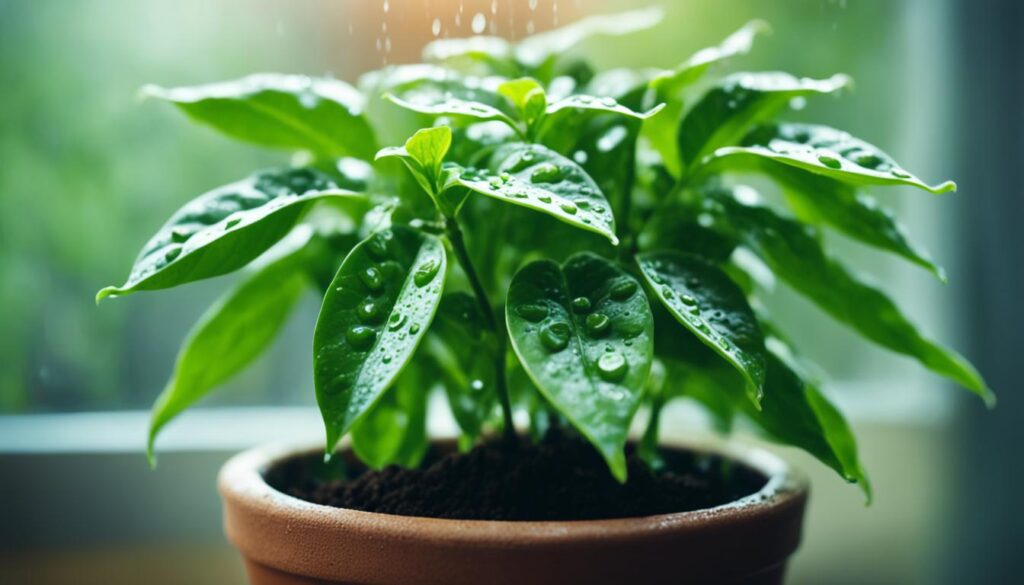
Keeping the right coffee plant watering needs is key for your plant’s health and life. It’s important to keep the coffee plant soil moisture balanced, not too dry or too wet.
Usually, water your coffee plant when the soil is half dry, which is about once a week. The soil should be moist but not soaked, as too much water can harm the plant. On the other hand, not enough water will make the leaves wilt and curl.
To make sure you’re watering right, check the soil moisture by sticking your finger into the potting mix before you water. This simple check can prevent both over- and under-watering your coffee plant.
“Proper watering is the foundation of a thriving coffee plant. Striking the right balance is key to a happy, healthy houseplant.”
By following these easy steps, you can keep your coffee plant well-watered and happy. This ensures it stays healthy and eventually produces coffee beans.
Temperature and Humidity Requirements
To grow a thriving coffee plant, you need the right balance of temperature and humidity. The ideal temperature is between 70°F to 80°F during the day and 65°F to 70°F at night. Keeping these coffee plant temperature needs is key for growth and health.
Temperatures above 86°F can make your coffee plant grow fast, but it’s not the best for the beans. Your coffee plant loves humid conditions. It prefers a humidity of at least 50% for the best growth. If the air gets too dry, the leaves may start to brown.
To meet your coffee plant’s ideal growing conditions, think about using a humidifier. This will help keep the humidity level right. With the right balance of coffee plant temperature needs and coffee plant humidity requirements, your plant will flourish and reach its best potential.
| Temperature Range | Humidity Level |
|---|---|
| Daytime: 70°F to 80°F Nighttime: 65°F to 70°F |
Minimum 50% relative humidity |
“Maintaining the correct temperature and humidity levels is essential for the health and growth of your coffee plant. Neglecting these environmental factors can lead to stunted development or even the demise of your beloved houseplant.”
Coffee plant care guide

To keep a coffee plant healthy, you need to balance fertilizing and pruning. Feed your coffee plant with a diluted liquid fertilizer every two weeks during spring and summer. This gives it the nutrients it needs for healthy growth. When winter comes, cut back to fertilizing once a month to avoid overfeeding.
Pruning is key to coffee plant care. In spring, use sharp, sterilized shears to remove dead or bare branches and leaves from the trunk’s lower part. Cutting stems at a 45-degree angle, just above a leaf joint, encourages bushy growth. This keeps the plant looking good, controls its size, and encourages new, healthy leaves.
“Proper coffee plant fertilization and pruning are essential for long-term coffee plant maintenance and overall plant health.”
By sticking to these coffee plant care tips, your coffee plant will flourish. It will keep your indoor space feeling like a tropical paradise.
Coffee Plant Varieties
The Coffea arabica is the most famous coffee plant type. But, there are other coffee plants worth noting. They have unique traits and benefits for coffee lovers and growers.
The Coffea arabica ‘Nana’ is a dwarf variety that grows only 12 inches tall. It’s perfect for indoor growing. Its small size means it fits in tiny spaces, bringing nature indoors and offering homegrown coffee beans.
The Coffea canephora, or robusta coffee, is another well-known type. It has a sturdy plant and gives a stronger, bitter taste than arabica. Robusta is high in caffeine and often used in blends and commercial coffee.
Coffea liberica comes from Africa and has bigger fruits with more caffeine than arabica. It has a unique taste, perfect for those who like a bold coffee.
The Coffea charrieriana is great for those who want no caffeine. It’s naturally caffeine-free, making it a good choice for those avoiding caffeine.
The Coffea magnistipula grows like a shrub, adding beauty to any coffee lover’s space. It shows how diverse and adaptable coffee plants can be, fitting many tastes and conditions.
For coffee experts or indoor plant fans, exploring coffee plant varieties is exciting. From the small Coffea arabica ‘Nana’ to the caffeine-free Coffea charrieriana, there’s a wide range of options. Each variety meets different needs and tastes.
Propagation and Seed Germination
Bringing fresh coffee into your home is easier than you might think! You can choose between coffee plant propagation or seed germination to grow your own coffee plant.
Propagating from Stem Cuttings
The fastest way to grow a coffee plant is by taking stem cuttings. This is best done in early summer. Cut an 8- to 10-inch stem, leaving only the top pair of leaves. Then, dip the cut end in rooting hormone and plant it in damp potting mix.
Put a clear plastic dome or bag over the cutting to keep it moist until roots appear, usually in 4-6 weeks.
Growing from Seeds
For those who love gardening and can wait a bit, growing a coffee plant from seed is rewarding. Start by scarifying the seeds to help them germinate better. Plant the seeds about 1 inch deep in a seed starting mix that drains well.
Keep the soil moist, and with good care, your seedlings should grow within 4-6 weeks.
Choosing between coffee plant propagation or seed germination can help you grow a coffee plant to enjoy for years.
Repotting and Pest Control
As your coffee plant grows, it needs a bigger pot to do well. Coffee plants don’t like being rootbound. So, repot them when their roots fill up the container. Use a pot with good drainage and fresh, quality soil when you repot.
Repotting should happen in late winter, just before new growth starts. This lets the coffee plant settle into the new soil without too much stress.
Identifying and Addressing Coffee Plant Pests
Coffee plants can get pests like spider mites, aphids, and scale insects. It’s important to check on them often and act fast if you see pests. Look for signs like discolored leaves or webs.
- Check the plant carefully, especially under leaves and where stems meet.
- Use insecticidal soap or neem oil to clean off pests.
- If pests are bad, you might need a stronger pesticide. Always read the instructions well.
Keeping your coffee plant healthy is the best way to fight off pests and diseases. Watch your plant closely and fix problems quickly. This way, your coffee plant will stay healthy and look great.
| Common Coffee Plant Pests | Symptoms | Treatment |
|---|---|---|
| Spider Mites | Webbing, discolored leaves, stunted growth | Insecticidal soap, neem oil |
| Aphids | Sticky residue, leaf curling, stunted growth | Insecticidal soap, ladybugs |
| Scale Insects | Bumpy, scaly appearance on stems and leaves | Horticultural oil, manual removal |
Flowering and Fruiting
Starting your coffee plant care journey is exciting, especially when you see the coffee plant flowering and coffee plant fruiting. It usually takes 3 to 5 years for an indoor coffee plant to bloom and produce coffee plant berries and coffee plant beans.
In spring, usually in April or May, the plant starts to bloom. It produces clusters of fragrant flowers that look like jasmine. These flowers stay around for a month, adding beauty to your space.
After blooming, small green coffee plant cherries appear. They grow and turn bright red, then deep black as they ripen. Watching this change is fascinating and signals the start of the coffee plant fruiting cycle.
“Watching my coffee plant go from flower to fruit is one of the most rewarding experiences in my home garden.”
With patience and the right care, you can harvest your own coffee plant beans from the ripe cherries. This journey shows the beauty of nature and the happiness of growing your own plants indoors.
Conclusion
With the right care, your coffee plant can be a beautiful, lush houseplant. It doesn’t have to produce coffee beans to be lovely. Make sure it gets the right lighting, soil, water, temperature, and humidity.
This will help you enjoy its attractive leaves and sometimes fragrant flowers. Growing coffee plants indoors can be tough. But, with the tips in this guide, your plant will do great and bring a bit of the tropics to your home.
By following the right coffee plant care tips, you can make a beautiful indoor oasis. Know what your plant needs for lighting, soil, water, and environment. This will help your coffee plant thrive and maybe even bloom.
Whether you’re experienced with plants or just starting, this guide has all you need. It’s perfect for making sure your coffee plant does well indoors.
So, take on the challenge of growing a coffee plant indoors and enjoy the process. With the right care, your coffee plant will brighten your home and make you happy for many years.
FAQ: Coffee plant care guide
What are the key characteristics of coffee plants?
Coffee plants have willowy stems and waxy leaves. They can grow up to 15 feet tall in ideal conditions. But, indoor coffee plants usually stay 3-6 feet tall.
Can indoor coffee plants produce enough beans for homegrown coffee?
No, your indoor coffee plant won’t make enough beans for coffee. They’re grown for their beautiful leaves and sometimes fragrant flowers.
What are the ideal lighting requirements for coffee plants?
Coffee plants like bright, indirect light. Place them near a window but not in direct sunlight. If direct light is the only option, use a sheer curtain to soften it.
What type of soil and potting mix do coffee plants prefer?
They do well in rich, peat-based soil that’s a bit acidic. The soil should be between 6.0 and 6.5 pH. Good drainage is key since they don’t like wet soil.
How often should coffee plants be watered?
Water them when the soil feels dry halfway down, about once a week. Keep the soil moist but not soaked. Too much water can cause leaf yellowing and root rot, while too little makes leaves wilt and curl.
What are the ideal temperature and humidity requirements for coffee plants?
They prefer daytime temperatures of 70°F to 80°F and nights around 65°F to 70°F. They also like high humidity, over 50%.
How do you fertilize and prune a coffee plant?
Feed them a diluted liquid fertilizer every two weeks in spring and summer. Cut back to once a month in winter. Prune in spring to remove dead or bare branches and lower leaves.
What are some notable coffee plant varieties?
Notable varieties include Coffea arabica, Coffea arabica ‘Nana’ (a dwarf type), Coffea canephora (robusta coffee), Coffea liberica (with larger fruits and more caffeine), Coffea charrieriana (no caffeine), and Coffea magnistipula (grows like a shrub).
How do you propagate a coffee plant?
Use stem cuttings for the fastest propagation method. Cut an 8- to 10-inch stem in early summer. Remove leaves, dip in rooting hormone, and plant in damp potting mix.
When should you repot a coffee plant?
Repot when the roots start to fill the pot, usually in late winter before new growth. This helps prevent rootbinding.
When do coffee plants flower and produce fruits?
It takes 3-5 years for indoor coffee plants to flower and produce fruits. The flowers, smelling like jasmine, bloom in April and May. Then, small green fruits turn bright red and almost black as they ripen over months.
Source Links
- https://nouveauraw.com/indoor-plants/varieties/coffee-tree-coffea-arabica-care-difficulty-moderate/
- https://www.thespruce.com/grow-coffee-plants-1902614
- https://www.housebeautiful.com/lifestyle/gardening/a39840749/coffee-plant-care/