



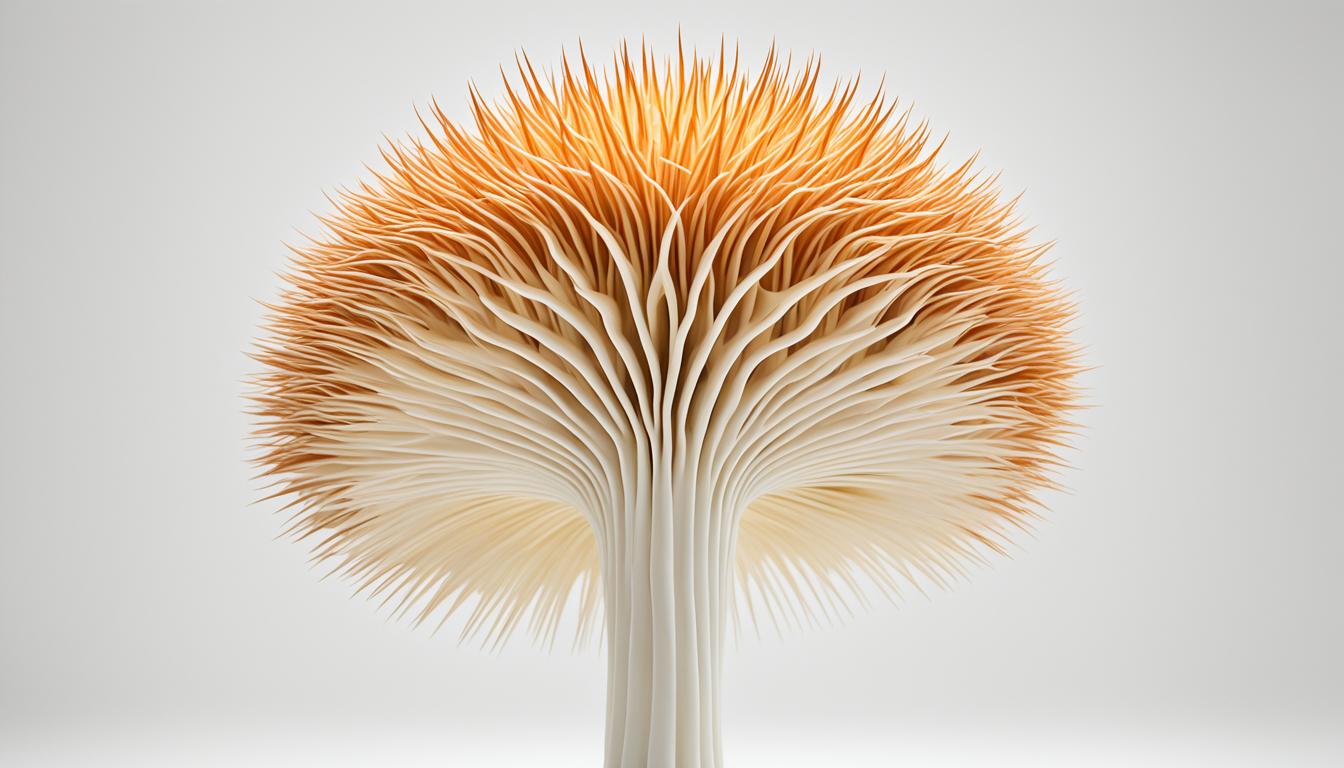
Lion’s Mane mushrooms, scientifically known as Hericium erinaceus, are a type of large, white mushroom. They have a fluffy appearance, much like a lion’s mane’s. These mushrooms are commonly used in Asian countries like Korea, Japan, India, and China. You can find Lion’s Mane mushrooms in grocery stores, restaurants, and supplement shops. They come in various forms, including raw, dried, or cooked. Additionally, you can get them as powders, liquids, and capsules.
They are packed with vitamins and minerals, such as thiamine, riboflavin, niacin, and more. Studies indicate that Lion’s Mane mushrooms may deliver various health benefits. These include combating inflammation and free radicals. They might also assist with dementia and brain diseases, decrease anxiety and depression, and support nerve regrowth. Moreover, they could help with diabetes management and treat stomach ulcers. Yet, the full scope of their impact on humans remains to be seen, requiring further study.
Key takeaways
- Lion’s Mane mushrooms sport a large, white appearance that is fluffy, resembling a lion’s mane.
- They boast a rich collection of vitamins and minerals, such as thiamine, riboflavin, niacin, and more.
- Research shows they may battle inflammation, facilitate nerve regrowth, help with diabetes, and treat stomach ulcers.
- Further research is necessary to conclusively assess Lion’s Mane mushrooms’ benefits for people.
- USER WARNING – Avoid untested products. Opt for reputable brands with verified quality and positive social proof to ensure safety and efficacy.
- OUR PREFERRED LION’s MANE PICKS:
- Best liquid extract – Raw Science Lion’s Mane (over 300 reviews)
- Best powder – Nutricost Organic Lion’s Mane (over 700 reviews)
Disclaimer
The information provided on this blog is for informational purposes only and is not intended as a substitute for professional medical advice. While we strive to share knowledge and insights on wellness topics, readers should not interpret any content found here as medical advice. We encourage all readers to consult with qualified healthcare practitioners for personalized medical guidance and to address any health concerns they may have.
The Potential Benefits of Lion’s Mane Mushrooms
Lion’s Mane mushrooms are becoming known for enhancing cognition and memory. They have a rich history in Chinese medicine spanning centuries. Studies on animals propose that these fungi might aid in combating brain ailments, including Alzheimer’s.
Research among older adults with slight cognitive issues showed a temporary boost in thinking ability after consuming Lion’s Mane tablets. Notably, in mouse models, these mushrooms show potential in reducing Alzheimer’s symptoms.
Another study indicated that younger participants noted faster mental abilities after taking Lion’s Mane capsules. The enhanced cognition could come from the fungi’s role in promoting brain cell growth via nerve growth factors, in addition to their anti-inflammatory and antioxidant effects.
The potential cognitive benefits of Lion’s Mane mushrooms are intriguing, but further research is necessary to determine their effectiveness in humans and establish optimal dosages and long-term effects.
In addition to cognition, Lion’s Mane has been linked to several other health benefits. These include aid in nerve regrowth, diabetes management, ulcer prevention, and helping mood disorders. But, the field lacks adequate studies to confirm these advantages fully.
Considering Lion’s Mane for health benefits is promising but precautions are vital, especially for those with medical conditions or on meds. Pregnant or nursing women should be extra careful. Overall, the mushrooms show promising cognitive support. However, more research is essential to fully fathom their health and wellness impacts.
Lion’s Mane Mushrooms and Mood Disorders
Early studies indicate that Lion’s Mane mushrooms might help those with mood disorders. In a research project on Japanese women, findings were eye-opening. These women faced various health issues, such as symptoms of menopause and difficulties with sleep.
The group consuming Lion’s Mane extract cookies showed less depression and stress than those on a placebo. This outcome suggests a link between Lion’s Mane’s compounds and mood improvement by acting on NGF. NGF is crucial for brain cell growth and survival, potentially influencing mood disorder pathophysiology.
Nonetheless, we should recognize the absence of direct comparisons with typical antidepressants. This hinders a deeper understanding of Lion’s Mane’s benefits for mood disorders. Thus, extensive research remains crucial.
| Lion’s Mane Reviews and Research |
|---|
| A study on Japanese women with different health conditions, including menopausal symptoms and poor sleep, showed that consumption of Lion’s Mane extract cookies led to lower levels of depressive symptoms and stress compared to the placebo group. |
| The active compounds in Lion’s Mane mushrooms, hericenones and erinacines, are believed to affect the release of NGF, which has been associated with the pathophysiology of mood disorders. |
| However, more research is needed to directly compare Lion’s Mane mushrooms to conventional antidepressant drugs and understand their full potential benefits. |
Lion’s Mane Mushrooms and Nerve Regeneration
Lion’s Mane mushrooms provide exciting insights into nerve regeneration. Both animal studies and initial research show their promise. These fungi have compounds that support the growth, life, and function of nerve cells. This action happens in the brain and across the body.
Findings from animal studies highlight a key trait of these compounds. They can move past the blood-brain barrier. This means they might aid in strokes, Parkinson’s, Huntington’s, multiple sclerosis, and more.
One key capability of Lion’s Mane is that it boosts the development of brain cells. It achieves this by triggering the release of nerve growth factor (NGF). NGF is vital for nerve cell growth and survival. Thus, eating Lion’s Mane could support nerve regeneration.
But, it’s crucial to remember that ongoing research is necessary. Scientists aim to pinpoint the exact processes that lead to nerve repair. Additionally, the application of Lion’s Mane in human health needs thorough study. More extensive controlled trials are necessary. These would confirm the cognitive improvements from Lion’s Mane mushrooms.
Potential Applications of Lion’s Mane Mushrooms in Nerve Regeneration
Lion’s Mane mushrooms offer potential benefits in several health areas:
| Condition | Research Findings |
|---|---|
| Stroke | Studies in animals suggest Lion’s Mane may guard against stroke-induced brain damage. |
| Parkinson’s disease | Animal research indicates Lion’s Mane protects against degeneration of dopamine cells. |
| Huntington’s disease | Findings hint at neuroprotective effects of Lion’s Mane in Huntington’s, a brain cell disorder. |
| Multiple sclerosis | Animal studies propose Lion’s Mane reduces inflammation and shields nerve fibers in MS. |
| Creutzfeldt-Jakob disease | There’s potential for Lion’s Mane in stopping the advance of Creutzfeldt-Jakob, a lethal disorder. |
| Nerve injuries | Research suggests Lion’s Mane could help in nerve regrowth and healing from injuries. |
Fully uncovering the nerve regeneration mechanisms and confirming effects on human health require more work. Nonetheless, the findings so far point to Lion’s Mane as a natural agent for nerve regeneration, potentially benefiting neurological well-being.
Lion’s Mane Mushrooms and Diabetes Management
Studies indicate Lion’s Mane mushrooms could benefit those with diabetes. Research on diabetic rats shows they can decrease blood sugar and boost insulin. The antioxidants within may aid in this process. Additionally, findings from animal tests point to a potential in fighting diabetic nerve pain. Still, more studies are crucial to grasp how Lion’s Mane impacts humans’ diabetes.
The promise of Lion’s Mane for diabetes management is compelling. Tests on rats illustrate its capacity to reduce blood sugar and enhance insulin. This hints at a prospective role in dealing with diabetes. The mushrooms’ antioxidant content likely plays a part. Besides, preliminary animal research implies relief from diabetic nerve pain. Nonetheless, extensive human studies are required for a detailed understanding and proven efficacy.
If you have diabetes, consider seeking benefits from Lion’s Mane mushrooms. As evidenced by research on rodents, they may regulate blood sugar and insulin positively. Their antioxidants potentially contribute to these actions. Moreover, there’s a hint they could combat diabetic nerve pain. Still, further inquiry is essential to define the mechanisms and confirm their human diabetes aid. Talk to your doctor about integrating Lion’s Mane into your diabetes care plan.
Lion’s Mane Mushrooms and Stomach Ulcer Prevention
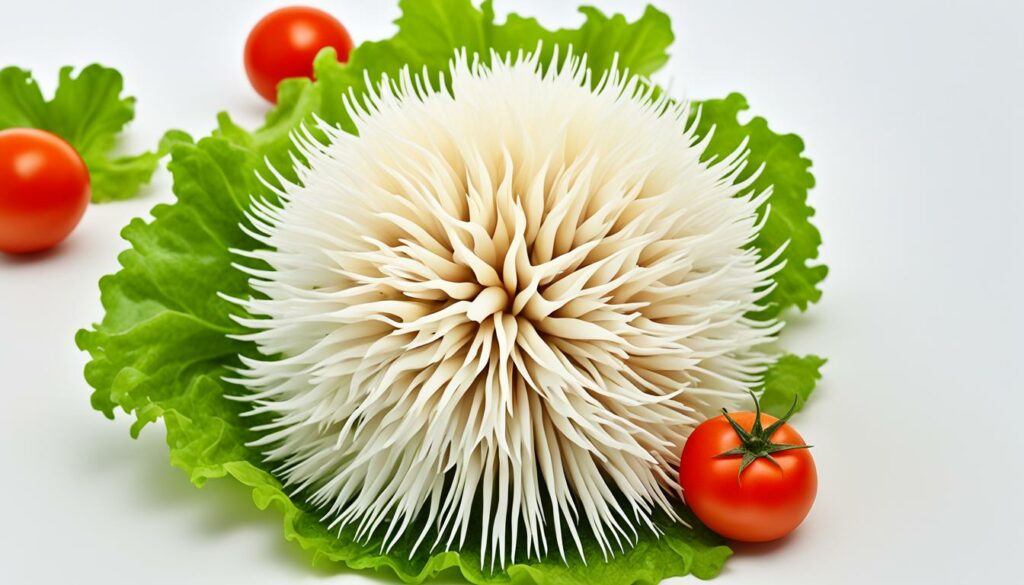
For centuries, mushrooms like Lion’s Mane have intrigued traditional medicine for fostering stomach wellness. Recent research highlights their role in shielding against stomach ulcers. Extracts from Lion’s Mane might fortify the stomach lining’s mucus, acting as a buffer against harm from stomach acid (source). This protective layer could significantly lower the ulcer risk and the damage to the stomach lining.
Additionally, examinations on both labs and animals suggest an intriguing capability of Lion’s Mane. It appears to slow down the growth of Helicobacter pylori, a leading cause of stomach ulcers (source). Through this action, Lion’s Mane provides an added defensive shield against ulcers.
However promising, it’s essential to recognize that these investigations have primarily focused on animal and lab settings. The efficacy and safety of Lion’s Mane in human applications for ulcer prevention and treatment await more definitive research.
| Research Study | Year | Key Findings |
|---|---|---|
| Effect of culinary-medicinal lion’s mane mushroom on ethanol-induced gastric ulcers in rats | 2008 | Demonstrated the potential of Lion’s Mane mushroom in protecting against ethanol-induced gastric ulcers in rats (source) |
| Influence of culinary-medicinal mushrooms on injuries of gastric mucosa in rats | 2011 | Presented the general influence of culinary-medicinal mushrooms on gastric mucosa injuries in rats (source) |
| Effect of Flabellaria paniculata extracts on gastric ulcers in rats | 2012 | Evaluated the effect of Flabellaria paniculata extracts on gastric ulcers in rats (source) |
| Gastroprotective effect of Phyllanthus niruri leaf extract against ethanol-induced gastric mucosal injury in rats | 2010 | Explored the gastroprotective effect of Phyllanthus niruri leaf extract against ethanol-induced gastric mucosal injury in rats (source) |
| Gastroprotective activity of Polygonum chinense aqueous leaf extract on ethanol-induced hemorrhagic mucosal lesions in rats | 2012 | Investigated the gastroprotective activity of Polygonum chinense aqueous leaf extract on ethanol-induced hemorrhagic mucosal lesions in rats (source) |
In light of their potential, exploring Lion’s Mane mushrooms for ulcer prevention is intriguing. Before you start any supplement, consulting with a healthcare professional is wise. They will offer guidance tailored to your health requirements and check that it complements your current treatment.
Safety Considerations and Precautions
Lion’s Mane mushrooms are quite safe to eat, with no serious side effects known. Yet, it’s wise to be cautious of allergic reactions. Some might face issues like difficulty in breathing or skin rashes. If you have mushroom allergies or a past reaction, abstain from Lion’s Mane.
These mushrooms are not under FDA regulation. Hence, their safety and effects aren’t fully studied. Always talk to your doctor before using Lion’s Mane. This is crucial if you have existing health problems or take different medicines. Your doctor can give advice tailored to your health.
For pregnant or nursing women, it’s critical to get professional advice before trying Lion’s Mane. Though info on its effects in these periods is scarce, consulting a doctor is the best step. This ensures the well-being of both mother and child.
It’s been reported that Lion’s Mane mushrooms caused significant and lasting effects for some. However, the views in a Reddit group of 4,000 members aren’t universal. For the majority, Lion’s Mane is believed to be safe with rare severe effects.
To get comprehensive safety information on Lion’s Mane, check out Verywell Health. Staying well-informed and working closely with healthcare experts is crucial for making safe health choices.
Potential Side Effects of Lion’s Mane Mushrooms
| Side Effects | Precautions |
|---|---|
| Allergic reactions | Avoid consumption if allergic to mushrooms or have a history of allergic reactions |
| Interactions with medications | Consult with a healthcare provider if you have underlying medical conditions or are taking other medications |
| Pregnancy and breastfeeding | Exercise caution and seek professional advice before using Lion’s Mane mushrooms |
Conclusion
Lion’s Mane mushrooms have shown potential in various health areas like cognitive health, mood disorders, and nerve regeneration. They may be beneficial in managing diabetes and preventing stomach ulcers. Yet, it’s crucial to highlight that more research is essential to understand their full effects and safety for humans.
The existing limited research hints at their positive outcomes. However, we need more studies with larger groups and rigorous conditions. This will give us a clearer picture of their benefits and any possible risks.
If you’re thinking about adding Lion’s Mane supplements to your diet, it’s best to speak with a healthcare professional first. They can evaluate your unique situation and check for any medication interactions. Plus, they’ll advise you on the right dosage and monitor how you respond to it.
In conclusion, Lion’s Mane mushrooms offer hope, but we’re still investigating their complete impact on health. Keeping up with the latest findings and working closely with a healthcare expert can help you decide if they’re right for you. Your individual response to these mushrooms might differ from others, so caution and professional advice are key.
FAQ: Does Lion’s Mane actually work?
Does Lion’s Mane actually work?
Lion’s Mane mushrooms seem promising in enhancing cognitive health, battling mood disorders, and promoting nerve regeneration. They might also aid in managing diabetes and preventing stomach ulcers. Yet, further human studies are vital to confirming these benefits.
What are the benefits of Lion’s Mane mushrooms?
These mushrooms are touted for their anti-inflammatory and antioxidant prowess. They could support brain health, diminish anxiety and depression, foster nerve recovery, help control blood sugar, and tackle stomach ulcers.
How effective is Lion’s Mane as a supplement?
Little concrete evidence backs the supplement’s potential, demanding more comprehensive investigation. However, initial research highlights its possible positive effects on cognitive well-being and mood regulation.
Are there any user experiences or reviews of Lion’s Mane?
Some have described enhanced cognitive skills, better mood, and improved overall health post-Lion’s Mane consumption. As with all supplements, effects can differ greatly from person to person.
What does the research say about Lion’s Mane mushrooms?
Initial research indicates significant potential in improving cognitive and emotional health, as well as fighting nerve, diabetes, and stomach problems. More extensive studies are necessary to authenticate these preliminary findings and establish usage guidelines and possible long-term consequences.
What are the cognitive benefits of Lion’s Mane mushrooms?
Lion’s Mane shows early benefits in enhancing brain function, focusing on memory and attention. These effects might be linked to its support in the formation of brain cells and the release of NGF, crucial for brain cell survival and function.
What are the potential benefits of Lion’s Mane mushrooms for mood disorders?
Research hints at Lion’s Mane’s ability to lower depression and stress. The active components in these mushrooms may influence NGF release, correlated with balancing mood.
How do Lion’s Mane mushrooms promote nerve regeneration?
Their components spur the growth and functionality of new and existing nerve cells. By inducing NGF release, they’re crucial for nerve rebuild, potentially applicable to various neurodegenerative and injury-related conditions.
Can Lion’s Mane mushrooms help manage diabetes?
Animal studies suggest Lion’s Mane may reduce blood sugar and enhance insulin. But, more human-oriented research is required to affirm and understand these purported benefits.
Can Lion’s Mane mushrooms prevent and treat stomach ulcers?
They show prowess in safeguarding the stomach lining and combating Helicobacter pylori, a stomach ulcer cause. Further human trials are necessary to assess their direct impact on stomach ulcer prevention and treatment.
Are there any safety considerations or precautions when using Lion’s Mane mushrooms?
Consumption risk seems low, yet there’s a chance of allergic reactions. Notably, the FDA does not oversee Lion’s Mane supplement quality and their full risks and benefits lack government assessment. Expert consultation is advised.
Source Links
- https://www.webmd.com/diet/what-are-the-health-benefits-of-lions-mane-mushrooms
- https://www.ncbi.nlm.nih.gov/pmc/articles/PMC10675414/
- https://health.clevelandclinic.org/lions-mane-mushrooms-benefits