


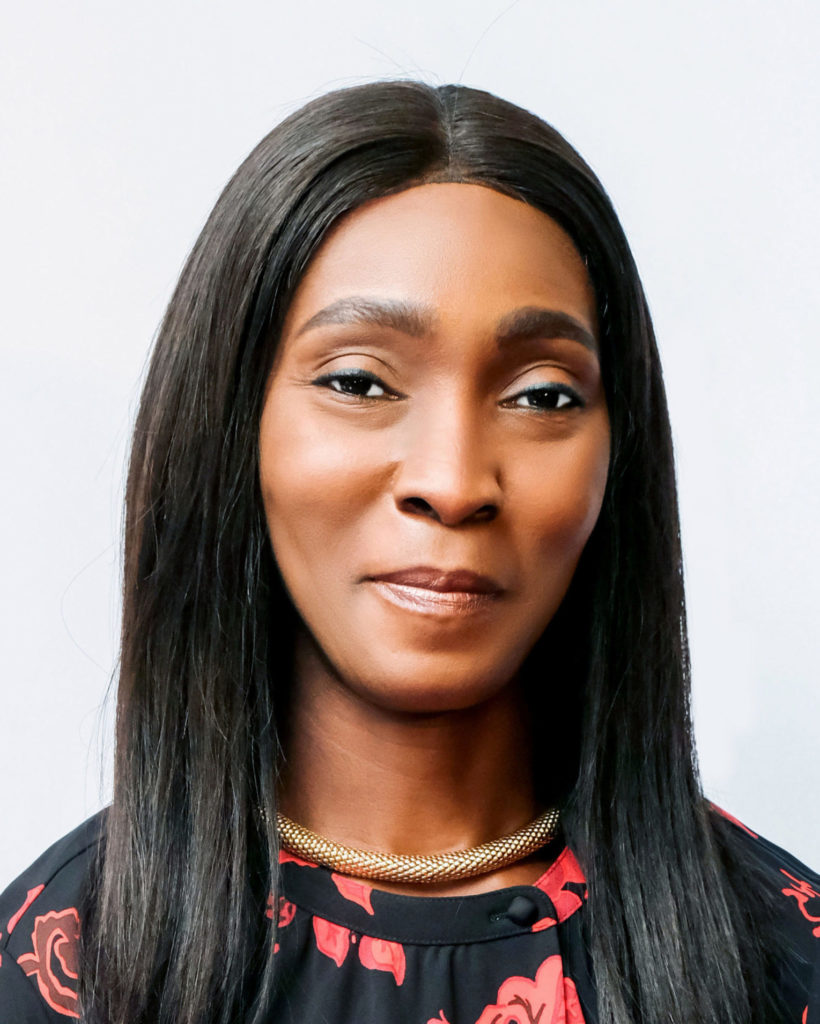
Oyeyimika Adeboye | Managing Director | Mondelēz West Africa | mail me |
The unique perspective and benefits that women leaders bring to the businesses, communities and countries that they head is well-known.
There is a growing body of research showcasing the evidence of these advantages: from better market share, to lower levels of job stress, burnout, anxiety and depression, and even better handling of the outbreak of the pandemic.
This is because men and women bring inherently different values to the table, with men predominantly gravitating towards values like strength, competition and logic and women typically veering more towards compassion, empathy and care.
The importance of African women leaders
Increasingly, these ‘feminine’ values are being recognised for the broader value and impact they bring – particularly in addressing and overcoming challenges like the pandemic.
Compassion is in our DNA as women, so it is important as a female leader to be yourself and lead with both the head and the heart, especially in a tough environment where people are going through a lot and navigating the pressures of working from home, as well as financial and other challenges.
Leadership is about seeking to understand the bigger picture and people’s circumstances by putting yourself in others’ shoes, and then being flexible and accommodating their specific needs. It’s critical to define your leadership with empathy and purpose, and also to be mindful that you are a role model and those you lead will replicate your behaviour.
However, this is a difficult lesson that many female leaders struggle to learn throughout their careers.
“Two of the biggest challenges women face is an internal glass ceiling, and the notion of fear. And although these are psychological, they are still powerful forces that hold many women back and prevent us from reaching our full potential.”
– Nadia Mohamed, Marketing Director at Mondelēz International
Leapfrogging gender barriers to drive meaningful change
Another psychological barrier, noted Alanta Moodley – Mondelēz Brand Manager, Cadbury Dairy Milk, is self-doubt exacerbated by ongoing stereotypes of women in the working world as being too bossy or assertive, or alternatively too vulnerable or emotional.
More and more, modern workplaces are addressing and overcoming these attitudes by focusing on diversity and inclusion (D&I) as a business imperative, and investing in mentoring, education and leadership development initiatives to foster positive change.
As an example: we have prioritised women empowerment and greater representation of women in leadership as one of its three D&I focus areas between 2019 and 2022, with ambitious targets globally and in Africa.
“The business is walking the talk in bringing about meaningful change to the fore. The Sub-Saharan African business unit’s extended leadership team is 66 percent women, exceeding the target of 50 percent – and the South African business has almost reached its 45 percent target of representation of women, currently sitting at 40 percent.“
– Alanta Moodley, Mondelēz Brand Manager, Cadbury Dairy Milk
Harnessing the individual and collective power of women
The key to accelerating this momentum lies in harnessing the individual and collective power of women.
“There are enough pieces of the pie for everyone, and if you have clarity and purpose, you will have the drive to reach your goals even in difficult times like the pandemic.”
– Zamile Khuzwayo, Social Entrepreneur and Founder of Zam’s Hive
The top tips and lessons from women leaders who have overcome the challenges and stereotypes to make it to the top are:
- Embrace your femininity, have confidence in your capabilities, confront your fear and band together and invest in each other as women to ensure that our voices are heard and we can help each other succeed. Forget the notion of a career ladder – rather think of it as a fishing net that can help bring as many women up as possible.
- Focus on bringing your own strengths to the table, and don’t worry about competing with other people.
- Be focused and go for what you want. Don’t let a title sway you – focus on the journey, not just the destination. Also, be open about your realities and challenges, so that you can get the support you need.
- But don’t expect special treatment because you’re a woman, and don’t let stereotypes determine your career path. We should want to be measured by performance. So know and be yourself – stick to your values and goals, ensure that your mission, vision and purpose is clear to your people and then lead with purpose and compassion.